News
As experts in unique chemistry, we have developed a diverse portfolio of technologies designed to meet the evolving needs of our customers across multiple markets. Our innovative solutions are built on deep scientific expertise and a commitment to performance, quality, and sustainability.
We serve four main markets:
Disinfection: Biosecurity solutions ensuring the highest hygiene standards wherever protection is required.
Smart Coatings: Advanced nanotechnologies and sol-gel systems that help customers overcome key challenges and create surfaces with enhanced functionalities.
Additives: A comprehensive range of REACH-registered sulfonamides widely used in the cosmetics and laminates industries.
Fine Chemicals: High-quality raw materials primarily serving the pharmaceutical sector.
Titre H2
Bandeau de valorisation de chiffres clés ou informations importantes
Additives
 Halamid News20 November 2026
Prevention first: Aqua Vet’s approach to aquaculture biosecurity in Greece
Alexandros Kakavoulis shares how practical biosecurity, automation and expert support shape Aqua Vet’s work—and where Halamid® fits. For…
Quality & regulatory

Smart coating
Our highly specialized team focuses on nanotechnology to protect and functionalize surfaces such as glass, metal, plastics, and mineral substrates. Nanotechnology-based coating materials enable the development of smart coatings that impart specific functionalities across multiple sectors, including Automotive, Aviation, Architecture, Glass Care, OEM, and Yacht Care.

PTSA
Photovoltaic Self-Cleaning Lorem ipsum dolor sit amet, consetetur sadipscing elitr, sed diam nonumy eirmod tempor invidunt ut labore et dolore magna aliquyam erat, sed diam voluptua. At vero eos et accusam et justo duo dolores et ea rebum. Stet clita kasd gubergren, no sea takimata sanctus est Lorem ipsum dolor sit amet. Lorem ipsum dolor sit amet, consetetur sadipscing elitr, sed diam nonumy eirmod tempor invidunt ut labore et dolore magna aliquyam erat, sed diam voluptua.
PTSAcid
Photovoltaic Self-Cleaning Lorem ipsum dolor sit amet, consetetur sadipscing elitr, sed diam nonumy eirmod tempor invidunt ut labore et dolore magna aliquyam erat, sed diam voluptua. At vero eos et accusam et justo duo dolores et ea rebum. Stet clita kasd gubergren, no sea takimata sanctus est Lorem ipsum dolor sit amet. Lorem ipsum dolor sit amet, consetetur sadipscing elitr, sed diam nonumy eirmod tempor invidunt ut labore et dolore magna aliquyam erat, sed diam voluptua.
PTSC
Photovoltaic Self-Cleaning Lorem ipsum dolor sit amet, consetetur sadipscing elitr, sed diam nonumy eirmod tempor invidunt ut labore et dolore magna aliquyam erat, sed diam voluptua. At vero eos et accusam et justo duo dolores et ea rebum. Stet clita kasd gubergren, no sea takimata sanctus est Lorem ipsum dolor sit amet. Lorem ipsum dolor sit amet, consetetur sadipscing elitr, sed diam nonumy eirmod tempor invidunt ut labore et dolore magna aliquyam erat, sed diam voluptua.
Disinfection
Aquaculture
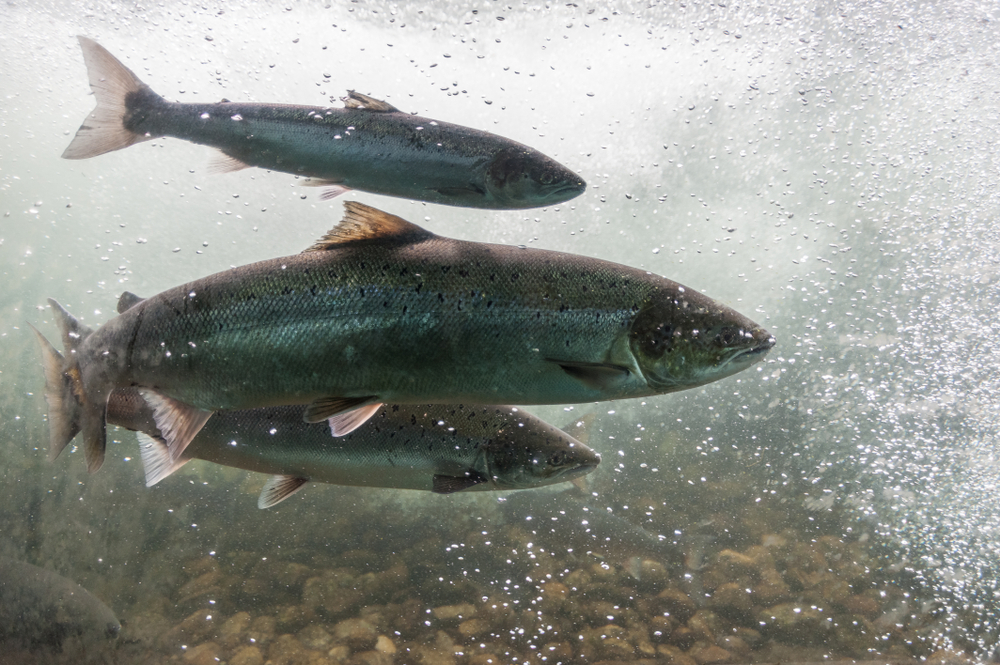
Halamid® has been a trusted and effective disinfectant in aquaculture for many years, valued for its proven efficacy and low toxicity to fish, shrimp, and aquatic environments. It is suitable for use in saltwater, brackish, and freshwater conditions.
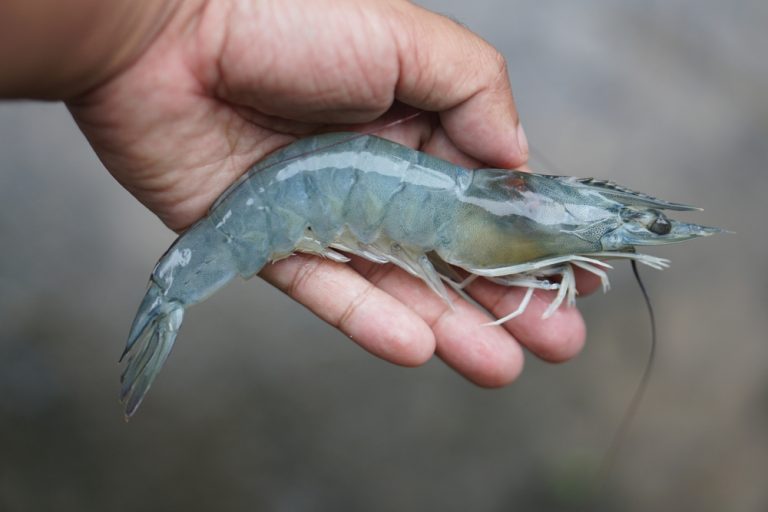
Shrimp Farming
In shrimp ponds and culture systems, HALAMID® is applied directly to the water for both routine hygiene management and disease outbreak control. It is effective against major shrimp pathogens such as Vibrio species, White Spot Syndrome Virus, and other bacterial and viral challenges.

Poultry
Biosecurity is key in farms and veterinary hygiene, all along the ‘farm to fork’ chain and starts by effective disinfection. Halamid® has been developed from the starting point of a strong killing effect and by greatly improving aspects such as stability is solution, corrosiveness and safety compared to more hazardous products.

Livestock
Halamid® is proven powerful yet mild disinfectant ideally suited to be used by poultry farmers in broiler houses, hatcheries and layer farms. Halamid® is notified under the EU BPR regulation and UK DEFRA approved among many other registrations around the world.

Healthcare & Industry
Halamid® is a broad-spectrum disinfectant effective against all major microorganisms. Widely used in food processing, drinking water systems, hospitals, and industrial facilities, it combines strong antimicrobial performance with excellent material compatibility. Easy to dissolve in water and gentle on surfaces, metals, and plastics, Halamid® meets the highest hygiene standards across diverse applications.
Everything you need to know about Axcentive
Prevention first: Aqua Vet’s approach to aquaculture biosecurity in Greece
Alexandros Kakavoulis shares how practical biosecurity, automation and expert support shape Aqua Vet’s work—and where Halamid® fits.
For Alexandros Kakavoulis and the team at Aqua Vet, fish health starts long before a treatment is needed. It starts with prevention: supporting farm teams, protecting equipment and making biosecurity part of everyday practice.
We spoke with Alexandros, Chief of Staff and a board member at Aqua Vet, our Halamid® distributor in Greece, about the challenges facing Mediterranean aquaculture and the opportunities ahead. His message is clear: prevention, automation and professional support work best together.
Supporting fish health from hatchery to harvest
Based in Athens, Aqua Vet has specialised in fish health in Mediterranean aquaculture since 1992. The company supports farmers across the production cycle, from hatchery to harvest, with a team spanning veterinary medicine, fish pathology, ichthyology, sustainable aquaculture, engineering and business.
Its offer brings together three pillars: fish health products, automation and customised, science-led services. Alongside vaccines and other fish health solutions, Aqua Vet supplies equipment such as automatic vaccination machines, fish counting systems and mortality removal systems. Veterinary consultancy, laboratory analyses, farm staff training and technical support help connect those products and technologies to day-to-day farm needs.
The aim, Alexandros explains, is to help farmers move “from cure to prevention”, with healthier fish, fewer losses and a better working environment.
Three practical roles for Halamid®
Asked where Halamid® fits into Aqua Vet’s work, Alexandros returns to one word: biosecurity. He highlights three areas of application.
1. Farm equipment
From vaccination machines and fish counters to nets, boats and divers’ gear, equipment moves between cages, sites and sometimes farms. For Aqua Vet, cleaning and disinfection are essential parts of managing that movement.
Alexandros identifies material compatibility as an important consideration, particularly for high-value equipment with pumps, seals, needles and sensors. It is one of the reasons he values Halamid® within Aqua Vet’s biosecurity approach.
2. Hatchery hygiene
In hatcheries producing sea bass, sea bream and other Mediterranean species, Aqua Vet uses Halamid® to disinfect tanks and surfaces between batches, alongside tools and equipment. For Alexandros, these routines are an important part of reducing bacterial load and managing disease risk at a vulnerable stage of production.
3. Trout production facilities
Alexandros also highlights trout farming in Greece’s mountainous regions, where Halamid® is used to disinfect empty raceways, tanks and equipment between production cycles. He describes a role for veterinary-guided water treatment too, with protocols adapted to farm conditions.
These examples reflect Aqua Vet’s experience, rather than application instructions. Product use should follow the applicable authorisation and label instructions, with veterinary guidance where required.
Why practicality matters
For Aqua Vet, choosing a disinfectant is about more than its activity against pathogens. Alexandros also emphasises compatibility with equipment, storage and handling, and performance under farm conditions.
He sees value in a consistent approach that makes biosecurity easier for teams to put into practice. Using familiar products and routines across relevant farm activities can, he explains, simplify procedures, training and stock management.
Helping farmers respond to growing pressure
In Alexandros’s view, Greek aquaculture faces a combination of pressures: warmer, longer summers, disease challenges, rising costs, competition, staffing shortages and increasing environmental scrutiny. At the same time, farmers are being asked to reduce their reliance on antibiotics.
Aqua Vet’s response centres on prevention, combining vaccination programmes, automation, diagnostics and close veterinary support. Practical biosecurity plans connect these elements: clean-then-disinfect routines for equipment, nets, boats and vehicles; hygiene measures at hatcheries and land bases; disinfection between batches; and training that helps staff follow procedures consistently.
Technology and biosecurity are closely linked in this approach. Automated vaccination, for example, still depends on properly disinfected equipment. As more technology moves between cages and sites, protecting both fish health and the equipment itself remains a priority for the team.
Four developments shaping Aqua Vet’s outlook
Looking ahead, Alexandros sees four areas that will influence the sector’s direction:
- Prevention as standard practice. He expects biosecurity plans, health monitoring and vaccination to become increasingly central to farm management.
- More automation. Vaccination machines, counting systems, cameras, sensors and AI-based monitoring feature in his outlook for more precise and efficient operations. Their wider use also reinforces the need for equipment hygiene.
- A greater role for recirculating aquaculture systems. Aqua Vet sees potential for RAS in hatcheries, nurseries and freshwater production, with hygiene protocols tailored to each system.
- New species and production models. Developments such as land-based shrimp farming in Europe are among the opportunities the team is watching.
Across these developments, his underlying principle stays the same: growth should be built on healthy stocks and practical prevention.
“The most sustainable treatment is the one you never need to use.” — Alexandros Kakavoulis, Aqua Vet
What comes next: training, collaboration and prevention
For Aqua Vet, the next steps are hands-on: more biosecurity training for farm teams, Halamid® protocols adapted to new equipment and automation, and solutions co-developed with partners for Mediterranean conditions.
The team’s work continues on farms and in hatcheries across Greece and Cyprus, as well as through industry events. Looking towards 2027, Alexandros highlights the Hellenic Scientific Aquaculture Conference, Aqua Nor and Aquaculture Europe in Athens as opportunities to connect with the wider aquaculture community.
For us at Axcentive, this conversation highlights the value of a distributor who connects products with technical knowledge and day-to-day farm support. Aqua Vet’s perspective puts Halamid® within a wider approach to fish health—one built around people, equipment and consistent routines.
As Alexandros puts it: “Our message stays the same: prevention first.”
Building Responsible Biosecurity in the Benelux: an interview with Veip Disinfectants
Jos Zonneveld discusses Veip’s ambitions, Halamid® applications and the future of responsible biosecurity.
Biosecurity is becoming a strategic priority across agriculture, animal health and research. Disease risks, operational costs and regulatory expectations are increasing, while professionals are also expected to work more efficiently and sustainably. In this interview, Jos Zonneveld of Veip Disinfectants – Halamid®’s exclusive distributor in the Benelux – explains how practical, reliable disinfection can support these changing needs.
Who Is Veip Disinfectants?
Veip is a Dutch family-owned company with more than 75 years of experience in producing powder and tablet solutions for professional cleaning and disinfection. In 2025, Jos Zonneveld and Maarten Drontmann became the company’s owners, opening a new chapter in its development.
“Our ambition is to further grow Veip, both in the Netherlands and internationally, as a specialist in professional hygiene and biosecurity,” says Jos. The company’s approach centres on effective, innovative and sustainable solutions for professional users.
What Are the Main Applications of Halamid®?
Veip sees three priority areas for Halamid® in the Benelux:
- Agriculture: biosecurity in poultry, pig and cattle farming.
- Life sciences and research: granular applications for laboratories, research facilities and animal-health R&D.
- Animal health: professional use supported by veterinarians, advisers and specialised networks.
Although each segment has specific operating requirements, all three need disinfection that is dependable, practical and responsible.
What Makes Halamid® a Valuable Biosecurity Solution?
For Jos, Halamid® stands out because it combines broad-spectrum efficacy with controlled, practical use. Its relative mildness towards users, animals and common materials makes it well suited to professional environments where disinfection may be carried out regularly.
“It is not simply about ‘stronger’ disinfection,” he explains. “It is about effective and responsible biosecurity.” This balance is increasingly important for organisations seeking reliable hygiene protocols without overlooking safety, sustainability or material compatibility.
How Can Halamid® Support Farmers Facing Today’s Challenges?
Farmers in the Netherlands are managing rising disease risks, cost pressure and evolving regulatory requirements. At the same time, they must improve efficiency and sustainability. These conditions make prevention and consistent biosecurity practices increasingly important.
Halamid® can support regular hygiene protocols with disinfection that is designed to be effective and practical. Veip also intends to work more closely with farmers, distributors and advisers so that biosecurity becomes an integral part of daily farm management rather than a purely reactive measure.
What Does the Future of Professional Biosecurity Look Like?
Veip expects prevention and biosecurity to play an even greater role across agriculture, animal health and research. Demand is also likely to grow for solutions that bring together efficacy, user safety, sustainability and compatibility with equipment and materials.
For Veip, this means investing further in knowledge sharing, professional education and new Halamid® applications, while strengthening its position in its three focus segments.
What Comes Next for Veip and Halamid® in the Benelux?
Veip plans to become more visible and active across its markets by working with distributors, veterinarians, researchers and other industry partners. Its priorities are practical biosecurity, professional education and stronger relationships across agriculture, life sciences and animal health.
“For Halamid®, the next step is clear,” Jos concludes: “growing its position as a trusted professional biosecurity solution in the Netherlands and Belgium.”
Gevelbouw Highlights EXOCOAT® Ceramic+ for Durable Surface Protection
EXOCOAT® Ceramic+ is featured in the Dutch trade magazine Gevelbouw as a high-performance protective treatment for anodized aluminium and other substrates. Designed for demanding environments, it enhances the durability of anodized surfaces while making them easier to maintain.
Gevelbouw is an independent trade magazine and online platform covering façade construction, glass, roofing, insulation, and surface technologies in the Netherlands and Flanders.
Read the full article in Dutch on page 82 of the magazine: https://www.yumpu.com/nl/embed/view/SUCpF6fME1mhtc0O
Phishing Awareness: Best Practices for Recognizing and Handling Suspicious Emails
One click is sometimes all it takes.
Phishing messages can look familiar, professional, and convincing, but their purpose is simple: to make you react before you think. At AXCENTIVE, we remain highly alert to this risk and are sharing this communication to reinforce awareness, encourage the right reflexes and help protect our information, systems and organization.
What is phishing?
Phishing is a form of social engineering in which attackers send emails or other messages that appear to come from a trusted source. These messages often aim to obtain passwords, financial information or confidential data, or to persuade the recipient to open an attachment, click on a link or approve an unusual request.
- Check the complete sender address. Display names can be misleading. Look carefully at the full email address, domain name, and spelling, especially when the message appears to come from a known organization or contact.
- Be cautious with unexpected or urgent requests. Pressure to act quickly, avoid a penalty, unlock an account or bypass normal procedures is a common warning sign.
- Treat links and attachments with care. Do not click links or open attachments in messages that are unexpected, unusual, or inconsistent with normal communication patterns.
- Do not trust familiar details alone. Fraudulent emails may copy names, signatures, logos, invoice numbers, previous conversations or other business information to appear credible.
What to do if you receive a suspicious email?
If a message feels unusual, unexpected, or inconsistent with normal practice, pause and verify it before taking any action.
- Do not reply, open attachments, click links, or use contact details provided in the suspicious message.
- Verify the request through a trusted channel, such as a known phone number, an official website or a contact already saved in your records.
- When the email appears to come from a business partner, alert your usual contact within that partner’s organization through a trusted channel, so they are aware that such an email has been received.
- Report the message promptly to your internal IT or security team, following your organization’s reporting process.
- Preserve the message if further investigation may be required but avoid forwarding it unless instructed by IT or security specialists.
Staying alert is the best protection. Phishing attempts can be highly convincing, especially when they use familiar names, branding, or business context. When in doubt, slow down, verify independently and report the message through the appropriate channel.
IT Team
AXCENTIVE SARL


Protection against bird-dropping attack on automotive paint and marine surfaces
Why this matters: bird droppings expose surfaces to concentrated uric acid, salts, biological residues and heat-induced stress. EXOCOAT® Ceramic+ is designed as a thin, hard ceramic-organic layer that helps protect automotive clear coats, yacht paint and gelcoat from this aggressive combination while preserving gloss and easy-clean behaviour.
Chemical attack
Birds excrete nitrogen waste mainly as uric acid. On automotive clear coats, marine topcoats or gelcoat, the white urate fraction can create a concentrated acidic micro-environment. Under sunlight the residue dries and intensifies the local attack.
Uric acid + heat is the critical risk combinationSurface damage
The damage is both chemical and physical. Heat can soften the upper coating layer while the dried deposit contracts on the surface. This can leave dull etching, staining or a visible ghost mark after cleaning.
Relevant for cars, yachts and coated surfacesCeramic barrier
EXOCOAT® Ceramic+ forms a thin ceramic-organic film on top of the substrate. The protective layer reduces direct contact between acidic contamination and the underlying finish, supporting cleaning and gloss retention
Hard, dense, easy-to-clean ceramic protection
Scientifically tested resistance
Axcentive evaluated the EXOCOAT® Ceramic+ technology platform in an automotive coating qualification programme that included chemical resistance testing with uric acid and a bird-dropping resemblance test. The research demonstrated outperforming behaviour versus two leading premium ceramic coating reference systems in the relevant resistance evaluation.
Automotive and marine relevance
The scope is broader than yacht care: automotive paintwork, marine topcoats and gelcoat surfaces can all suffer from uric-acid-driven etching when bird droppings remain on the surface.
Bird droppings remain one of the most aggressive everyday contaminants for premium coated surfaces. EXOCOAT® Ceramic+ provides a scientifically tested ceramic protection layer for automotive paint and marine surfaces, helping preserve gloss, appearance and cleanability under demanding real-world exposure.

Sol-gel organometallic chemistry: a truly remarkable and versatile platform technology for EXOCOAT®
Sol-gel chemistry is a highly versatile platform within the EXOCOAT® R&D programs at Axcentive. It enables the design of hybrid organic-inorganic coatings with tunable hardness, flexibility and adhesion. In EXOCOAT® developments, liquid sol-gel precursors are transformed into dense ceramic-like networks, enabling durable, easy-to-clean and chemically resistant surfaces. By selecting different precursors, coatings can be adapted to glass, metal, plastic, ceramic or composite substrates. This is the technology relevant for protective, decorative and functional surface applications.
For marine and yacht applications, our pre-ceramic technology contributes to gloss retention, stain resistance and surface protection. The inorganic network improves scratch resistance and abrasion resistance without making the coating overly brittle. Organic modification makes it possible to tune wetting, hydrophobicity, oleophobicity and compatibility with polymeric binders. These materials can also be used as adhesion promoters between different material classes as for instance as primers in anticorrosion paint systems.
Sol-gel chemistry also allows incorporation of functional additives such as nanoparticles, pigments or flame-retardant groups. As a result, EXOCOAT® programs can address multiple markets from consumer surfaces to industrial protection. Technology is especially attractive where thin-layer performance, transparency and durability are required together.
For Axcentive, innovation and R&D are the route to create differentiated EXOCOAT® solutions.


Ceramic Coating for Anodized Aluminum: EXOCOAT® Ceramic+ Protection Solution
Anodized aluminum is widely selected for architectural and industrial applications because it combines a high-quality metallic appearance with strong durability, corrosion resistance and color stability.
The anodic layer is not a paint layer on top of the aluminum; it is an oxide layer grown from the aluminum surface itself. This is one of the reasons why anodizing is valued in façade construction, design, transport and demanding industrial environments.
In practice, however, some environments place additional stress on the surface. Coastal areas with salt deposition, industrial locations with airborne pollutants, aggressive cleaning procedures, concrete run-off and long exposure to moisture can all influence the visual appearance and long-term cleanliness of anodized aluminum. In these situations, an additional protective treatment can be valuable, especially when the aesthetic appearance of the surface is critical.
In collaboration with Alucol, a Dutch specialist in aluminum anodization, Axcentive has developed EXOCOAT® Ceramic+ as an additional protective treatment for anodized aluminum and other substrates. The objective is not to replace anodizing, but to enhance the performance of the anodized surface in demanding environments and to make the surface easier to maintain.
Why additional protection may be useful?
Anodizing creates a hard, inorganic aluminum oxide layer. This layer is mechanically robust and strongly connected to the aluminum substrate. Nevertheless, the anodized surface remains a technical surface that can be affected by external contamination and project-specific exposure conditions. Especially in architectural applications, the visual standard is often very high and small changes in gloss, color depth or staining can become visible over time.
Typical risk factors include:
- Salt exposure in coastal regions, especially where moisture, wind and limited natural rinsing are combined.
- Industrial pollution, fine dust and deposits that can adhere to the surface and become more difficult to remove over time.
- Concrete residue, cement water or acidic cleaning agents that may attack the surface when they remain in contact too long.
- Incorrect or overly aggressive façade cleaning procedures.
- Design details that hold water or dirt, such as horizontal surfaces, sheltered zones or areas with limited rain washing.
EXOCOAT® Ceramic+ is positioned as an additional barrier and repellence layer. It helps reduce adhesion of water, oil, dirt and certain contaminants. This supports longer-lasting appearance and easier cleaning, while retaining the metallic character of the anodized aluminum surface.
What is EXOCOAT® Ceramic+?
EXOCOAT® Ceramic+ is a pre-ceramic coating designed to form a very thin, ceramic-like protective layer after application. During curing, which can take place at room temperature, the coating adheres strongly to the anodized aluminum surface and forms a durable protective layer. The resulting layer is transparent and only approximately one micron thick when applied at the recommended consumption rate.
Because the layer is very thin, it does not turn the surface into a painted or lacquered product. The appearance of the anodized aluminum remains visible, while the surface receives additional protection against moisture, contamination and chemical influence. This makes the technology particularly interesting for high-quality façades, marine-related applications and industrial components where appearance and cleanability are important.
Functional principle
The protective effect is based on a combination of surface bonding, low surface energy and chemical resistance. After curing, the layer provides a dense and repellent surface. Water and oil have less tendency to wet the surface, marker ink shows reduced adhesion, and contaminants are less likely to bond strongly to the anodized layer. This does not mean that the surface becomes maintenance-free, but it can significantly improve cleanability and reduce the risk of permanent staining.
Main performance contribution
Function Practical effect Commercial value Water and oil repellence Less wetting and lower dirt adhesion. Easier cleaning and improved long-term appearance. Chemical resistance Reduced risk from specific acidic or aggressive contaminants. More security in critical construction and industrial environments. UV stability Protection designed for exterior exposure. Suitable for façade and outdoor applications. Thin transparent layer Anodized character remains visible. Keeps the metallic and architectural appearance. Surface rejuvenation Faded surfaces may regain visual depth after cleaning and treatment. Interesting for maintenance and renovation projects. Practical case: coastal façade exposure
The need for additional protection became clear during a challenging façade project near the Dutch coast. The building was exposed to severe salt conditions, which increased the risk of staining and fading of the anodized surface. After evaluation, EXOCOAT® Ceramic+ was applied following a careful cleaning procedure. The treated façade maintained a strong visual appearance during the follow-up period.
This practical experience is important because it shows the value of the technology under real exterior conditions. Laboratory testing is useful, but outdoor exposure, changing weather, salt deposition and cleaning intervals are ultimately decisive for architectural applications. Based on the available project experience, EXOCOAT® Ceramic+ offers a relevant additional protection route for demanding façade locations.

Outdoor weathering trial at Alucol. The test setup allows visual comparison under real weather conditions.
Technical properties and validation
EXOCOAT® Ceramic+ has been tested by Axcentive and external partners. Based on the available test data and practical observations, the following properties are relevant for anodized aluminum applications:
- Hardness: 8-9H in pencil hardness testing, indicating a hard and scratch-resistant surface layer.
- UV resistance: tested using Xenon Arc exposure according to ISO 16474-2.
- Corrosion resistance: tested using salt spray exposure according to ISO 9227.
- Repellent behavior: marker ink shows poor adhesion, demonstrating an anti-graffiti and easy-clean effect.
- Chemical resistance: designed to reduce damage from acidic contaminants such as concrete residue or muriatic-acid-containing water.
- Low layer thickness: approximately one micron at recommended application rate, preserving the anodized surface appearance.
The test results should always be assessed in relation to the actual project conditions. Exposure, cleaning method, alloy, anodizing quality, sealing quality and the level of contamination all influence the final performance. For high-risk projects, Alucol recommends defining the expected surface requirements, cleaning regime and acceptance criteria in advance.
Chemical protection against concrete residue
Concrete residue, cement water and acidic run-off can be a serious risk for anodized aluminum. When aggressive residues remain on the surface, they can locally affect the oxide layer and create visible damage. On construction sites this risk is often underestimated, because the damage may only become clearly visible after drying, cleaning or a period of exposure.
Post-treatment with EXOCOAT® Ceramic+ can significantly reduce the risk of chemical attack by creating an additional protective barrier. This does not remove the need for correct site handling and timely cleaning. It does, however, provide an extra level of protection in projects where façade elements are exposed to concrete work, construction dirt, salt or intensive cleaning.

Example of damage caused by aggressive concrete-related run-off. Preventive protection and correct site handling are essential.
Repellence and easy-clean behavior
One of the most visible benefits of EXOCOAT® Ceramic+ is its repellent effect. Liquids have less tendency to spread over the surface and contaminants have less tendency to adhere. This supports easier cleaning and can reduce the risk that dirt, marker ink or oily contamination becomes embedded in the surface structure.
For façade owners and facility managers, this is commercially relevant. Cleaning becomes more predictable, the surface remains visually stronger for longer and the risk of costly local repair or premature replacement is reduced. The treated surface still requires normal maintenance, but the maintenance effort can become more controllable.
Surface rejuvenation
In addition to protection of new anodized aluminum, EXOCOAT® Ceramic+ can also be used to improve the appearance of existing surfaces after proper cleaning. Faded anodized aluminum may regain more depth and richness in appearance because the treated surface reflects light differently and becomes less open to contamination.
This makes the technology interesting for renovation projects, façade maintenance and situations where the anodized surface is technically still sound but visually no longer meets expectations. A test area is recommended before full-scale application, especially when the existing surface condition is uneven or heavily contaminated.
Application method
EXOCOAT® Ceramic+ can be applied with a simple applicator sponge. At the recommended application rate, only approximately 10 ml per square meter is needed to create a protective layer of around one micron. For larger surfaces, or when a thicker layer or faster application is required, spray application can also be considered.
A controlled application process is essential. The anodized surface must be clean, dry and free from residues before treatment. Any contamination that remains on the surface may be enclosed or become visible after application. For this reason, cleaning, drying, application conditions and curing time should be defined before starting a project.

Application with a sponge. The low consumption rate makes the treatment suitable for controlled project application.
Recommended project approach
- Evaluate the exposure conditions: coastal, industrial, construction site, cleaning regime and design details.
- Define whether the treatment is preventive, corrective or part of a renovation strategy.
- Clean and prepare the anodized surface carefully before application.
- Apply a representative test area and assess visual effect, repellence and acceptance.
- Document the application method, consumption, ambient conditions and curing time.
- Agree on future cleaning instructions with the façade owner or maintenance party.
Positioning and limitations
EXOCOAT® Ceramic+ should be positioned as an additional protective treatment, not as a replacement for correct anodizing, correct alloy selection, good façade design or proper maintenance. The coating cannot repair deep mechanical damage, severe corrosion, poor anodizing quality or construction errors. It also cannot guarantee that every form of staining or chemical exposure will be prevented under all circumstances.
The strongest results are achieved when the product is applied to a high-quality anodized surface, under controlled conditions and with a realistic maintenance plan. In that combination, the technology offers a strong extra level of protection and a commercially attractive way to extend the visual service life of anodized aluminum.
Environmental profile
EXOCOAT® Ceramic+ is PFAS-free. Once cured, the coating is designed for durable exterior use. The very low layer thickness and low consumption per square meter support efficient material use. By helping to preserve the appearance and cleanability of anodized aluminum, the treatment can also contribute to longer service life and reduced need for replacement or intensive corrective cleaning.
Typical applications
- Architectural façades in coastal or industrial environments.
- High-end anodized aluminum panels, profiles and design elements.
- Renovation or maintenance of existing anodized surfaces.
- Industrial components requiring improved cleanability and chemical resistance.
- Projects where concrete residue, salt deposition or aggressive cleaning may create additional risk.

Outdoor exposure test panel: coated and untreated anodized aluminum under the same conditions.
Conclusion
EXOCOAT® Ceramic+ is highly compatible with anodized aluminum and offers an additional protection route against UV exposure, salt, chemicals, pollutants and dirt adhesion. The treatment preserves the metallic character of anodized aluminum while improving repellence, cleanability and visual durability.
For Alucol, the technology provides an additional solution for projects where anodized aluminum must perform in demanding environments. It allows architects, façade builders and industrial customers to combine the aesthetics and durability of anodizing with an extra protective surface treatment when project conditions require it.
EXOCOAT® Ceramic+ is available through Alucol (www.alucol.nl) or directly at Axcentive (https://axcentive.com/technology/exocoat/)


Discover EXOCOAT® Ceramic+ Yacht and EXOCOAT® ClearView Through Technical Demonstration and Customer Experience
What is behind these videos?
Earlier this year, in February, we had the unique opportunity to capture the real-life application of our EXOCOAT® coating solutions in the yachting industry.
Thanks to the invitation of Ronald Van Prooijen from Butler Yacht Support, our Sales & Business Development Manager, Stijn Meijers, visited the Elling Yachting facilities to document the complete coating process of a yacht using EXOCOAT® Ceramic+ Yacht as well as EXOCOAT® Clearview. The objective was simple: to provide boat owners, applicators, and industry professionals with a clear and practical demonstration of how our technology is applied in the field.
Innovation and simplicity can go hand in hand
The result is a comprehensive technical video that takes viewers through every stage of the application process. From surface preparation to the final finish, each step is presented in a straightforward and easy-to-follow manner. The video highlights not only the simplicity of the application process but also the many benefits of EXOCOAT® Ceramic+ Yacht, including long-lasting protection, reduced maintenance requirements, and enhanced appearance for the boat.
We would like to extend our sincere thanks to Elling Yachting and Ronald Van Prooijen for their hospitality, availability, and active involvement in making this project possible. Their support allowed us to showcase the coating process under real operating conditions, providing valuable insights for anyone interested in learning more about our solutions.
We believe that our customers’ experiences are the ultimate measure of our success
Alongside the technical demonstration, we are also pleased to share a second video featuring an in-depth interview conducted after the coating application. This customer-oriented discussion addresses many of the questions we regularly receive about the EXOCOAT® product range. In particular, the contribution of Arno Schut, Head of Innovation at Axcentive, provides valuable technical and practical insights into the development, performance, and long-term benefits of our coatings.
Finally, we felt it was important to go beyond technical specifications and laboratory performance data by giving a voice to the end user. We are therefore especially grateful to the yacht owner, Ad van Mierlo, for sharing his honest experience and feedback following the application. His testimony offers an authentic perspective on the value that EXOCOAT®. Finally, we felt it was important to go beyond technical specifications and laboratory performance data by giving a voice to the end user. We are therefore especially grateful to the yacht owner, Ad van Mierlo, for sharing his honest experience and feedback following the application. His testimony offers an authentic perspective on the value that EXOCOAT® Ceramic+ Yacht delivers in real-world conditions and reinforces the confidence that many customers place in our solutions.
We hope these two videos provide both the technical guidance and practical insights you are looking for. Should you have any additional questions about EXOCOAT® Ceramic+ Yacht, EXOCOAT® Clearview, or any other product within the EXOCOAT® range, please do not hesitate to contact our team. We will be delighted to assist you.
Contact us
Ready to explore partnership opportunities?
Discover how our 190 years of chemical expertise and unique product portfolio can support your business growth.