
Halamid
As experts in unique chemistry, we have developed a diverse portfolio of technologies designed to meet the evolving needs of our customers across multiple markets. Our innovative solutions are built on deep scientific expertise and a commitment to performance, quality, and sustainability.
We serve four main markets:
Disinfection: Biosecurity solutions ensuring the highest hygiene standards wherever protection is required.
Smart Coatings: Advanced nanotechnologies and sol-gel systems that help customers overcome key challenges and create surfaces with enhanced functionalities.
Additives: A comprehensive range of REACH-registered sulfonamides widely used in the cosmetics and laminates industries.
Fine Chemicals: High-quality raw materials primarily serving the pharmaceutical sector.
Titre H2
Bandeau de valorisation de chiffres clés ou informations importantes
Additives
 Halamid19 July 2024
Czech veterinary magazine writes about Halamid®’s role for fish health
In a recent issue of the Czech veterinary magazine ‘veterinářství’, the authors discuss the benefits of HalamidⓇ in…

Quality & regulatory

Smart coating
Our highly specialized team focuses on nanotechnology to protect and functionalize surfaces such as glass, metal, plastics, and mineral substrates. Nanotechnology-based coating materials enable the development of smart coatings that impart specific functionalities across multiple sectors, including Automotive, Aviation, Architecture, Glass Care, OEM, and Yacht Care.

PTSA
Photovoltaic Self-Cleaning Lorem ipsum dolor sit amet, consetetur sadipscing elitr, sed diam nonumy eirmod tempor invidunt ut labore et dolore magna aliquyam erat, sed diam voluptua. At vero eos et accusam et justo duo dolores et ea rebum. Stet clita kasd gubergren, no sea takimata sanctus est Lorem ipsum dolor sit amet. Lorem ipsum dolor sit amet, consetetur sadipscing elitr, sed diam nonumy eirmod tempor invidunt ut labore et dolore magna aliquyam erat, sed diam voluptua.
PTSAcid
Photovoltaic Self-Cleaning Lorem ipsum dolor sit amet, consetetur sadipscing elitr, sed diam nonumy eirmod tempor invidunt ut labore et dolore magna aliquyam erat, sed diam voluptua. At vero eos et accusam et justo duo dolores et ea rebum. Stet clita kasd gubergren, no sea takimata sanctus est Lorem ipsum dolor sit amet. Lorem ipsum dolor sit amet, consetetur sadipscing elitr, sed diam nonumy eirmod tempor invidunt ut labore et dolore magna aliquyam erat, sed diam voluptua.
PTSC
Photovoltaic Self-Cleaning Lorem ipsum dolor sit amet, consetetur sadipscing elitr, sed diam nonumy eirmod tempor invidunt ut labore et dolore magna aliquyam erat, sed diam voluptua. At vero eos et accusam et justo duo dolores et ea rebum. Stet clita kasd gubergren, no sea takimata sanctus est Lorem ipsum dolor sit amet. Lorem ipsum dolor sit amet, consetetur sadipscing elitr, sed diam nonumy eirmod tempor invidunt ut labore et dolore magna aliquyam erat, sed diam voluptua.
Disinfection
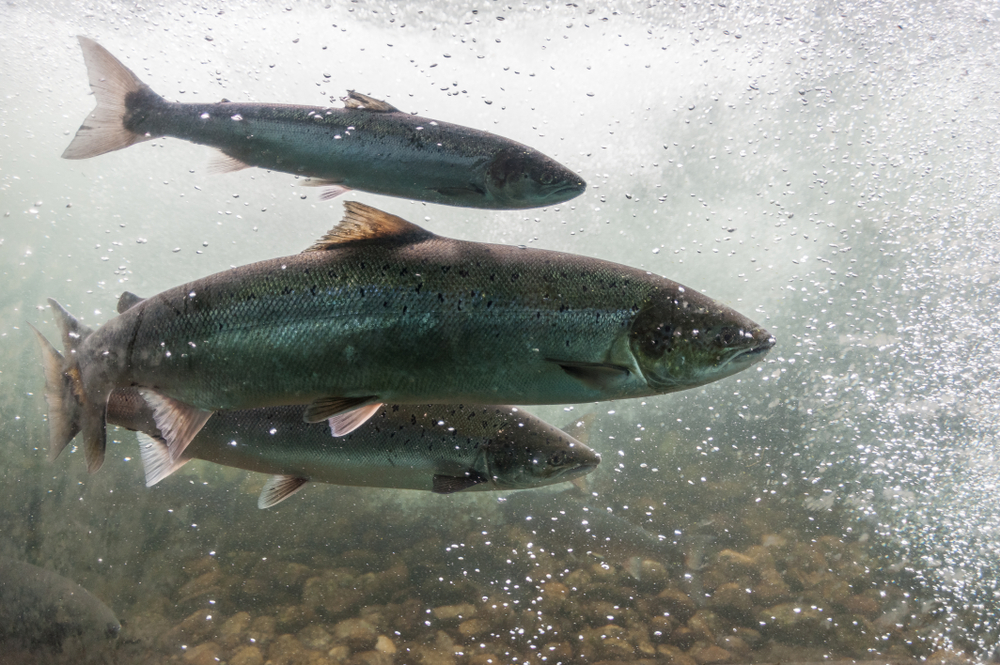
Aquaculture
Halamid® has been a trusted and effective disinfectant in aquaculture for many years, valued for its proven efficacy and low toxicity to fish, shrimp, and aquatic environments. It is suitable for use in saltwater, brackish, and freshwater conditions.
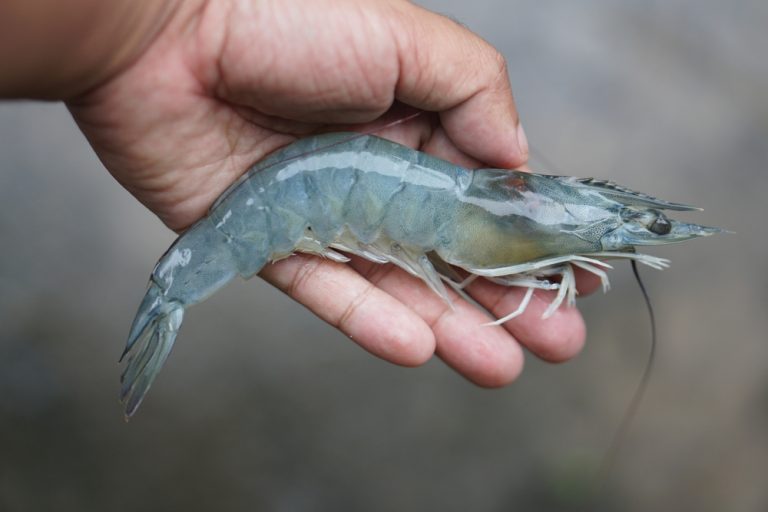
Shrimp Farming
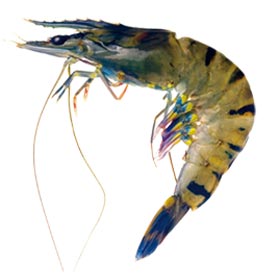
In shrimp ponds and culture systems, HALAMID® is applied directly to the water for both routine hygiene management and disease outbreak control. It is effective against major shrimp pathogens such as Vibrio species, White Spot Syndrome Virus, and other bacterial and viral challenges.
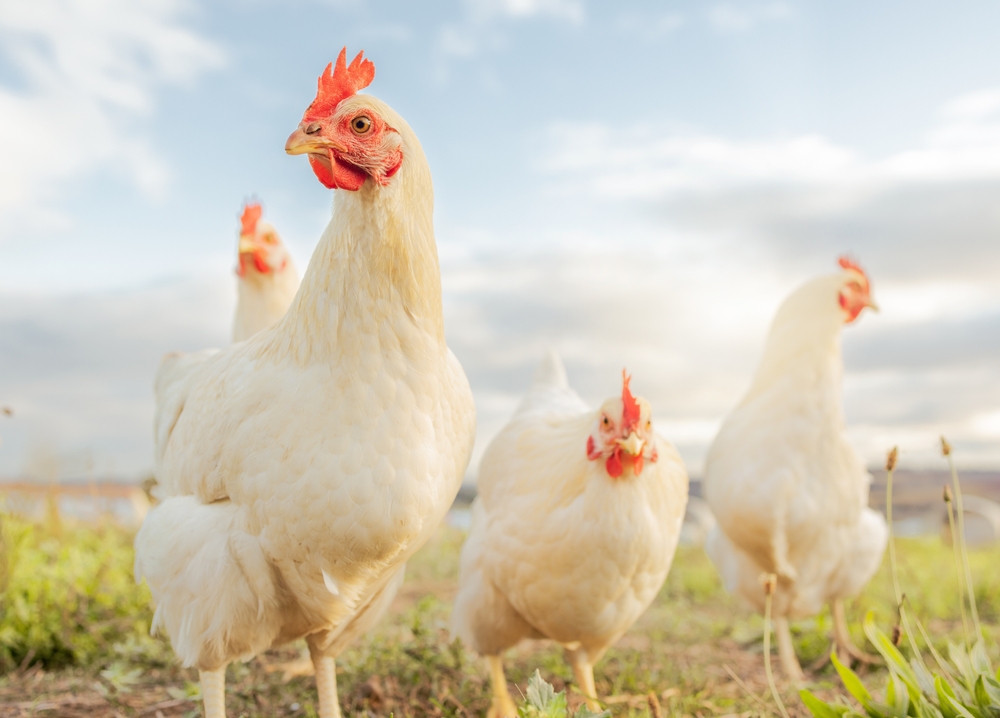
Poultry
Biosecurity is key in farms and veterinary hygiene, all along the ‘farm to fork’ chain and starts by effective disinfection. Halamid® has been developed from the starting point of a strong killing effect and by greatly improving aspects such as stability is solution, corrosiveness and safety compared to more hazardous products.

Livestock
Halamid® is proven powerful yet mild disinfectant ideally suited to be used by poultry farmers in broiler houses, hatcheries and layer farms. Halamid® is notified under the EU BPR regulation and UK DEFRA approved among many other registrations around the world.

Healthcare & Industry
Halamid® is a broad-spectrum disinfectant effective against all major microorganisms. Widely used in food processing, drinking water systems, hospitals, and industrial facilities, it combines strong antimicrobial performance with excellent material compatibility. Easy to dissolve in water and gentle on surfaces, metals, and plastics, Halamid® meets the highest hygiene standards across diverse applications.
Everything you need to know about Axcentive
E.coli: Less Antibiotics means more Biosecurity
The threat of E.coli infection in poultry farms has never been far away. It continues to be one of the most important sources of economic and welfare problems in poultry production. While at the same time, the increased pressure on farmers and vets to abandon antibiotics for the sake of human health, is taking away the most effective approach in the vet’s anti-E.coli toolbox. Remains vaccination and biosecurity. Moreover vaccines will only be effective if biosecurity is at a high standard. It is therefore not over the top, to say that preventing E.coli infections is still very much a hygiene matter.
E.coli infections hurts any type of poultry production including at hatchery level, young and adult animals, broilers and layers, causing mortality or just slower growth (lower weight). Invariably, the immediate cost for the diagnostics, the treatment and so on, increase the burden. As always prevention is better than curing.
Biosecurity is above all about having procedures and strictly complying with them. This is not a paper tiger, although initially procedures may sound troublesome. It requires a true management conviction in order to get everybody in and to be implemented successfully: it only needs one person or one activity being non-conform and the effort of all others is in vain (the weakest chain…).
The weakest chain should definitely not be the products used. Remember a cleaning agent is not a disinfectant and vice-versa. Not because one could not formulate a cleaning agent to become bactericidal as well…The point is in the procedure: a good cleaning agent is taking virtually all dirt away and should pass first. Only after very thorough cleaning the efficacious disinfectant comes in and kills any E.coli and other pathogens remaining on the surface.

Halamid® is such disinfectant. For surface disinfection, using a solution of 0.5 % in water effectively kills E.coli, protecting the birds from attracting an infection. Likewise people and equipment entering a farm should be screened and wheels/boots need disinfection. Also think about the treatment of drinking water with Halamid®. E.coli is endemic worldwide and therefore will definitely be found in all surface waters. In all cases allow sufficient contact time (in relation to the concentration applied) with 5 minutes being the absolute minimum to render E.coli harmless.

Halamid® and probiotics
Many fish and shrimp farmers that are interested in using Halamid®, for protection of their valuable crop, ask us how this will interfere with the probiotics they use, directly dosed into a pond/tank or sometimes via the feed.
The treatment of water with Halamid® is additional to normal biosecurity measures including disinfection of tanks, eggs, ponds, tools and the pre-treatment of incoming water, places where Halamid® is already being used. Good biosecurity is the main track to avoid diseases. Use of probiotics and Halamid® is a good additional measure to protect the crop from diseases and improve growth.
When used properly, Halamid® and probiotics have limited interference and only at specific instances.Probiotics are often (but not only) spore forming bacillus spp. Bacillus spores are very resistant against heat, light or chemicals and thus can easily withstand storage and/or blending with feed. As soon as the conditions are viable these spores shed of their coat and transform into their living ‘vegetative’ state in which they produce enzymes and show other activities (competitive exclusion) which give them their beneficial effect on fish and shrimp health and water quality. In their vegetative state, bacillus is sensitive to chemicals.
Probiotics are designed to act in the gastrointestinal tract (hence the idea to mix them in with feed) and on the waste sediment on the pond bottom/tank. When (encapsulated) probiotics are mixed into the feed, they will remain spores, until they are eaten and will only germinate in the gastrointestinal tract, otherwise they will germinate in the water, on the pond/tank bottom. Any waste sediment there is made up of faeces, waste feed and algal particles and is a harbor for a.o. potentially pathogenic vibrio and other harmful bacteria.Halamid® is a unique FDA approved aquatic product that shows a low toxicity towards aquatic animals, much lower than ordinary chemicals used in aquaculture operations such as peroxygens and chlorine. It dissolves quickly and completely. In the water and on the outside of the animal it will kill pathogenic bacteria, fungi and viruses. Its use in finfish for this purpose is known for decades.
Arno Schut, Technical Manager of Axcentive comments on this: “Halamid® acts on the pond water and consequently also on the outside of the animal, whereas probiotics act on the inside and the pond bottom. In this sense the two product are fully complementary!”To keep bacteria levels under control while profiting from both health control strategies, we suggest using Halamid® with a certain interval. Add Halamid® to the pond/tank water, one day before stocking (where no probiotics are being used yet) and subsequently add Halamid® to the pond/tank for example every 14 days. Avoid giving probiotics during that day (unless it is incorporated into the feed). This way, the probiotic effect is least interrupted, whereas Halamid® can act directly on reducing bacteria levels.
Newcastle Disease is never far away
Despite all efforts and good intentions poultry diseases are unfortunately never far away.
Recently new outbreaks of Newcastle Disease (NCD) have been reported from several European countries. Despite vaccination being in most cases mandatory for commercial farms, backyard farms may hold and spread this highly infectious disease back to commercial flock.This increases the viral pressure, poses a challenge to the birds’ health and certainly – as is the case in these outbreaks – when the actual virus is slightly different from the strain used in vaccination this may lead to diseased birds. Repeating a vaccination under these circumstances can give the required protection.
Vaccination without biosecurity measures is a waste of time and money. Unlike antibiotics in use against bacterial diseases, vaccination requires intensified biosecurity: the vaccine is a weakened version of the same disease-causing virus, which inside the body activates the immune system by simulating the virus attack. Immunity issues with other bacterial or viral challenges at the same time are problematic and may actually hinder the formation of antibodies by the immune system and thus the build-up of protection against NCD. Outside the body, shedding of vaccine may lead to dissemination of the virus to other flocks/animals.A disinfectant with particularly strong killing effect towards viruses is required under these circumstances. Most quat-based products are out of the question for this type of critical applications where a strong killing effect against viruses is required.
Halamid® by its oxidative properties has proven for decades to be very effective in eradicating the NCD virus (example: UK DEFRA 1:150).
To be used without moderation (at the recommended dilution rates) by both commercial farms and particularly the increasing number of small backyard farms !
Halamid enables mobile automated fish vaccination
All stock handling procedures in aquaculture carry a degree of biosecurity risk.
In the case of vaccination by injection this is particularly evident by virtue of the invasive nature of the procedure which involves the introduction of pharmaceutical components directly into the fishes’ body. This procedure must be carried out, as far as is possible, aseptically.
To achieve this it is essential that standards of hygene in a round the operation are maintained to as high a level as possible. Preventing a biosecurity breach is far more preferable than solving one!
Halamid® is a well-known disinfectant for aquaculture premises and has been used in the manual vaccination of fish for many years already. The simple measure of regular disinfection of all equipment used, such as holding tanks, injection table, tubing, pumps, etc. greatly reduces the risk of transmitting pathogens before, during and after the vaccination.
Fish vaccination, whether by mobile semi-automatic machines or by teams of specialists administering vaccine by hand injection necessarily involves the movement of personnel and equipment from site to site. Whilst this presents a biosecurity risk, it is one which can be easily controlled.
Scottish based Highland Aquaculture Team offer a mobile vaccination service using the new NFT 20 machine developed by PHARMAQ Fishteq in Norway. They have been mounted on a rig that can simply be trucked for placement at their customers’ sites, all salmon hatcheries. This experienced team fully understands the potential biosecurity risks and therefore disinfects and flushes the machines and associated piping with a Halamid® solution at the end of each day. On top of that before, moving to a different farm they conduct an additional disinfection after dismantling part of the machine. This procedure has been verified by local biosecurity experts.
Halamid® is not only providing complete decontamination but it is also safe for the materials and surfaces in this equipment. Halamid® easily rinses off leaving no harmful residues. Where any residues to be left, in small amounts, these would not normally pose a problem because fish can tolerate Halamid® in small (few ppm) levels.
Axcentive is closely involved in this type of useful automation in animal rearing. In this respect it is also interesting to refer to a project reported in an earlier press release where Halamid® was successfully tested in a French fogging robot for poultry houses.
Halamid® has a proven track record in both the poultry as well aquaculture sectors as a disinfectant that produces a high level of biosecurity without putting animals and plant and equipment at risk.
Halamid®, reliable, also in sea water
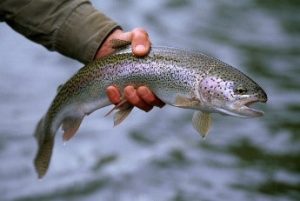
Halamid® is one of the best known disinfectants for aquaculture uses, improving water quality and preventing health problems with fish and shrimp. It is commonly used in fresh water environments (with trout for example) and is progressively making its way into salt water fish and shrimp farms.

People ask us what is the difference between fresh water and sea (or brackish) water from a disinfection point of view. When using Halamid®, there is no significant difference as long as you follow proper protocols. Other oxidative disinfectants like for example peracetic acid, break down faster in sea water than they do in fresh water. Halamid® remains effective in salt water.
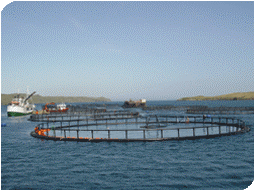
There are reasons related to the setup of marine farming that may make disinfection as a whole more complicated. Sea water farming is still largely operated in open sea cages. Due to the stocking density in such cages and the exchange with wild fish, diseases can still proliferate rapidly. In this set up, there are different ways to use Halamid®. The farmer can bath the fishes by transferring them temporarily into a well boat for example, or he can limit water exchange from the cage by applying a tarpaulin.

These are costly and labour-intensive procedures but they pay out because Halamid® is efficacious, for example against Amoebic Gill Disease (AGD).
High value marine species are farmed more and more on land for what concerns the whole rearing process. Environmental aspects also play a role leading to the use of recirculation systems. In that case, water quality is easier to control as external diseases can effectively be blocked. Halamid® is used to a large extent for preventive reasons. Its toxicity is low towards most fishes and shrimps and therefore it can be applied without the risk of adverse effects (following proper protocols).
In a next press release more information about Halamid® and the biological filter in a recirculation system.
Halamid® – Effective in Preventing Avian Flu
The epidemiological situation in relation to HPAI H5N8 (and for that matter, other subtypes) is constantly evolving. Migratory birds are considered the main cause as surveillance reports show they are infected. Measures to avoid contact between wild birds and poultry, duck and geese are being implemented and enforced. Still outbreaks keep on occurring as wild birds are very difficult to control. The next crucial step therefore is to limit the consequences of an outbreak and here biosecurity comes in first !
Poultry farmers everywhere are seeking reassurance that their usual disinfectants and biosecurity protocols are indeed effective enough. This implies:
- Proper cleaning and disinfection of clothing, footwear, equipment and vehicles before and after any activity in relation to the birds.
- Thoroughly cleaning and disinfecting the poultry house at the end of a production cycle.
- Keeping fresh disinfectant solution at the right concentration at all points where people should use it, such as farm entrances and before entering a barn, storage room and so on.
As for the disinfectant of choice, independent testing by the respected Clinic for Birds, Reptiles, Amphibia & Fish at Giessen University (Germany) has shown that even 0.1 % concentration of Halamid® is able to reduce the avian flu virus loading by more than 6 log10 (99.9999 %)
Halamid®, particularly suited to poultry growing and widely used in this sector, also completely inactivates avian influenza A virus in the liquid phase at low and high levels of organic soiling, and at lower temperatures (10 °C) as well as standard temperatures.
And how about the susceptibility of the various subtypes to Halamid®?
Different subtypes of avian flu have different numbers of haemagglutinin & neuramidinase proteins on the exterior (denoted by the H and N numbers) but they have the same fundamental structure and lipid envelope. The biocidal mode of action of Halamid is based on strong oxidative destruction of the whole virus structure and is therefore non-selective for small variations in composition. As such, the disinfection activity of Halamid® is comparable for every strain of avian flu.
Halamid® for clean gills forever
For decades Halamid® is being used to keep the gills from salmonids clean. For that reason Halamid® is essential to the aquaculture industry.
The gills of salmonids can easily be infested by Flavobacterium branchiophilum which is a Gram-negative bacterium present in most freshwater environments. Even if such infection could occur in free-ranging fish it is rarely lethal and the cause of mortality therefore has to be found in the environmental conditions of intensively reared fish. Stress has been mentioned as one of the causative agents but it seems more likely that the bacterial pressure (the amount of bacteria present on the fish outer surface) plays a bigger role. Preventive use of Halamid® makes therefore a lot of sense.
In fact the ‘hairs’ of the ‘Flavo’ bacterium (the fimbriae) with which it attaches to the gill surface, cause lesions and further damage to the cells in the gill surface, leading to impaired blood circulation. Moreover the gills start to produce mucus to fight against the infection. All of this leads to insufficient oxygen uptake and mortality. The real risk is in the speed of this process. Mortality can occur within 24 hours from the first signals.
An experienced farmer easily recognizes the clinical signs of BGD: lethargy, loss of appetite, swimming high in the water and in a tilted position, signalling difficulty in ‘breathing’. The chances for successful curing all depend on an adequate and timely response with Halamid®.
Consequently farmers look beyond treating the symptoms. They know when the risk for elevated levels of ‘Flavio’ bacteria is higher and start treating preventively with Halamid®. This will keep the gills clean from large scale infestation and prevents mortality due to BGD.
In recent years Axcentive research has shown that keeping the bacterial pressure under control is more important than you might think. In tropical fish farming, Vibrio bacteria for example are rarely the cause of mortality, but they create the conditions for other causative agents (eg. viruses) to attack. Prevention is always better than curing….
Growing shrimp: choices for the environment have to be made.
For decades, growing shrimp has been a profitable but also risky business for farmers due to the risk of viral diseases that can sweep away complete crops. For the environment, the development of higher stocking densities, brought only negative effects due to the large amount of chemicals used in such systems. The combination of open systems with random water in and outlets and the use of difficult-to-control earthen ponds has led to large scale pollution of soil and water. The uncontrollable nature of this type of shrimp farming has also led to the frequent closure of troubled farms and the need to build new farms in coastal areas that otherwise have an important role as natural habitat for flora and fauna, such as mangrove forests.

Over time large shrimp farm companies have introduced new technologies that allow for better water quality and shrimp health management, such as the use of liners in ponds. Real improvements such as water recycling are making their entrance. One thing that is becoming clear is that farmers need to make a choice: traditional shrimp farming at low stocking density or ‘industrial’ farming, isolated from the environment at higher stocking densities. Not much different from debates in livestock farming !
Even though traditional shrimp farming is not an environmentally viable alternative to supply the world demand for shrimp (the pond acreage would have to be increased tremendously at the cost of the environment) it does provide a sustainable income for small farmers that are able to supply the ‘organic’ market for shrimp at a premium price.
The industrial farming concept is thus unavoidable to meet the world’s demand for shrimp. Closed systems both in terms of pond bottom as well as water recycling allow for near-perfect control of growing conditions, avoiding the risk of bringing in diseases. The principle of closed systems – which are never 100 % closed – make that large amounts of cheap bulk chemicals (lime, bleach) are no longer required and can be replaced by a more intelligent water control system based on small quantities of more expensive but also more effective and more environmentally friendly products.
Halamid® and probiotics have proven a powerful duo to control water quality and avoid disease problems. Both Halamid® and probiotics are fully biodegradable with harmless residues that mineralise easily.
At low concentrations, Halamid® is extremely effective in killing vibrio and other bacteria. Disinfectant efficacy is a combination of concentration and time. The secret of Halamid® is that it works for a prolonged period of time, thereby allowing lower concentrations and giving longer protection.
The use of Halamid® in the water preparation is the best possible prevention of diseases coming in via de water or the stock. If needed, during the grow out phase Halamid® can be applied at large intervals to keep harmful vibrio under control thereby keeping immunity of shrimp against diseases at a high level. Antibiotics are banned in this type of farming.
As with livestock, intensive rearing of shrimp does bring up the point of animal welfare. Proper farm management and reasonable stocking densities allow for good living conditions without diseases. The large world demand for shrimp does require sophisticated intensive farming techniques but in the method described above, this seems compatible with an acceptable level of animal welfare.
Halamid® plays an important role in the development of sustainable shrimp farming all over the world.
Halamid® prominently present in Thai shrimp farmers’ club
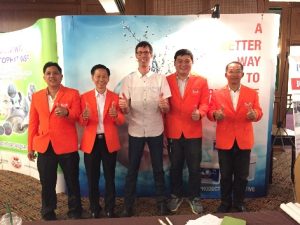
During the weekend of February 20 and 21 the Chanthaburi Shrimp Farmers’ Club held their annual conference and exhibition. Halamid® was prominently present in the booth of our distributor All/Kaset Center.

Chanthaburi district is one of the two principal shrimp farming areas in Thailand. Reason enough for the Thai minister of Agriculture to visit the exhibition and to be informed about the latest developments and products on offer. Allvet’s MD, Dr. Pichai Pitaktrakulsiri (DVM) informed this highly esteemed visitor about Halamid® and the advantages it gives to shrimp health, the farmers’ profit and for the environment.
Paul van Lenthe, Executive Director and present at the event: “The feedback I got from existing Halamid® users was very positive. The mild properties of Halamid® in combination with its extremely effective disinfection make it their product of choice. Nobody can make that more clear than the farmer himself! With some disease problems in Thailand overcome, 2018 is bound to be an excellent year for Halamid®”.
Another strong point for Halamid® is that Axcentive and its distributor Allvet are not claiming a miracle product (like some other suppliers do). Certain situations such as a viral disease, once well established at a farm, cannot be cured by any disinfectant and require starting with a clean set up after emptying and cleaning the ponds and all that is related to it.
It was impossible for any visitor to miss the Allvet team, dressed in flashy orange jackets. The Allvet team is clearly well respected in this market and relationships with existing and new Halamid® customers may well go further than just a supplier-customer link. The atmosphere in the exhibition hall and during the evening banquet was more than relaxed and everyone was having fun.
Further information can be obtained from local Halamid distributors or axcentive.com/

Welcome CALICTUS: Halamid’s lead channel for aquaculture and domestic animal markets in Germany!
Calictus Filtersystems has been recently appointed as Halamid® distributor for aquaculture and domestic animal markets in Germany.

Calictus has more than 30 years’ experience in both markets and is also actively selling its product range online.
Jeanette REINERS, managing director of Calictus is glad to include Halamid® in its product range, which comprises already feed, vitamins and equipment:
“Halamid® is a well-known brand name for a reliable disinfectant… It has been somewhat lacking in active marketing in German aquaculture and domestic animal markets. Calictus is going to change that! Our network will welcome Halamid®!”
In Germany Halamid is duly DVG listed. For more information, please contact Calictus or directly our office.

Contact us
Ready to explore partnership opportunities?
Discover how our 190 years of chemical expertise and unique product portfolio can support your business growth.