
Halamid
As experts in unique chemistry, we have developed a diverse portfolio of technologies designed to meet the evolving needs of our customers across multiple markets. Our innovative solutions are built on deep scientific expertise and a commitment to performance, quality, and sustainability.
We serve four main markets:
Disinfection: Biosecurity solutions ensuring the highest hygiene standards wherever protection is required.
Smart Coatings: Advanced nanotechnologies and sol-gel systems that help customers overcome key challenges and create surfaces with enhanced functionalities.
Additives: A comprehensive range of REACH-registered sulfonamides widely used in the cosmetics and laminates industries.
Fine Chemicals: High-quality raw materials primarily serving the pharmaceutical sector.
Titre H2
Bandeau de valorisation de chiffres clés ou informations importantes
Additives
 Halamid17 March 2025
Halamid® was at VIV Asia 2025
Last week, Axcentive Group exhibited at VIV Asia 2025 in Bangkok. This show is the leading international trade…

Quality & regulatory

Smart coating
Our highly specialized team focuses on nanotechnology to protect and functionalize surfaces such as glass, metal, plastics, and mineral substrates. Nanotechnology-based coating materials enable the development of smart coatings that impart specific functionalities across multiple sectors, including Automotive, Aviation, Architecture, Glass Care, OEM, and Yacht Care.

PTSA
Photovoltaic Self-Cleaning Lorem ipsum dolor sit amet, consetetur sadipscing elitr, sed diam nonumy eirmod tempor invidunt ut labore et dolore magna aliquyam erat, sed diam voluptua. At vero eos et accusam et justo duo dolores et ea rebum. Stet clita kasd gubergren, no sea takimata sanctus est Lorem ipsum dolor sit amet. Lorem ipsum dolor sit amet, consetetur sadipscing elitr, sed diam nonumy eirmod tempor invidunt ut labore et dolore magna aliquyam erat, sed diam voluptua.
PTSAcid
Photovoltaic Self-Cleaning Lorem ipsum dolor sit amet, consetetur sadipscing elitr, sed diam nonumy eirmod tempor invidunt ut labore et dolore magna aliquyam erat, sed diam voluptua. At vero eos et accusam et justo duo dolores et ea rebum. Stet clita kasd gubergren, no sea takimata sanctus est Lorem ipsum dolor sit amet. Lorem ipsum dolor sit amet, consetetur sadipscing elitr, sed diam nonumy eirmod tempor invidunt ut labore et dolore magna aliquyam erat, sed diam voluptua.
PTSC
Photovoltaic Self-Cleaning Lorem ipsum dolor sit amet, consetetur sadipscing elitr, sed diam nonumy eirmod tempor invidunt ut labore et dolore magna aliquyam erat, sed diam voluptua. At vero eos et accusam et justo duo dolores et ea rebum. Stet clita kasd gubergren, no sea takimata sanctus est Lorem ipsum dolor sit amet. Lorem ipsum dolor sit amet, consetetur sadipscing elitr, sed diam nonumy eirmod tempor invidunt ut labore et dolore magna aliquyam erat, sed diam voluptua.
Disinfection
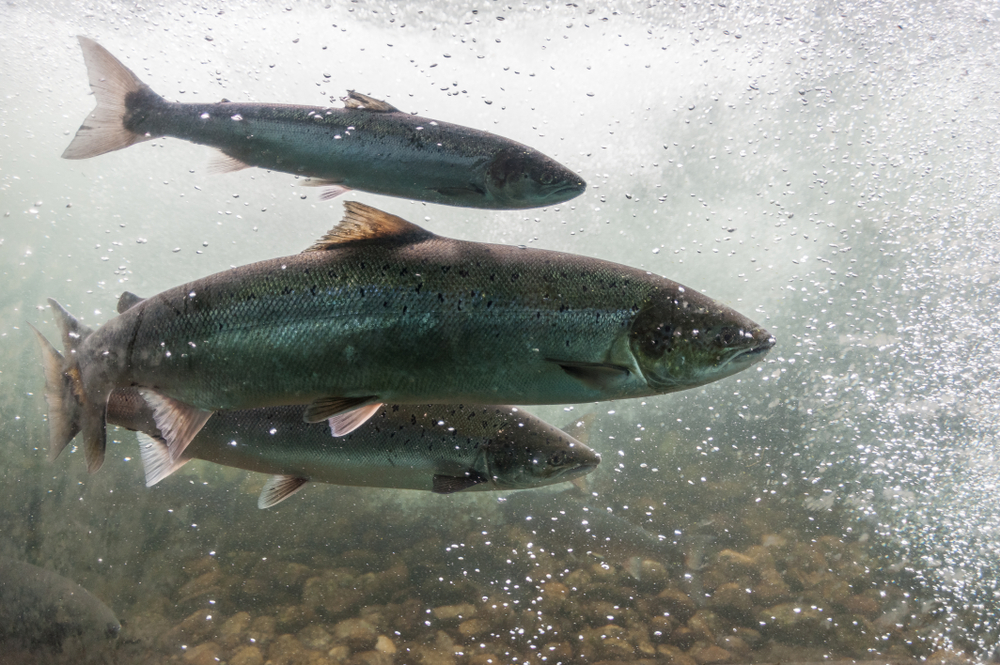
Aquaculture
Halamid® has been a trusted and effective disinfectant in aquaculture for many years, valued for its proven efficacy and low toxicity to fish, shrimp, and aquatic environments. It is suitable for use in saltwater, brackish, and freshwater conditions.
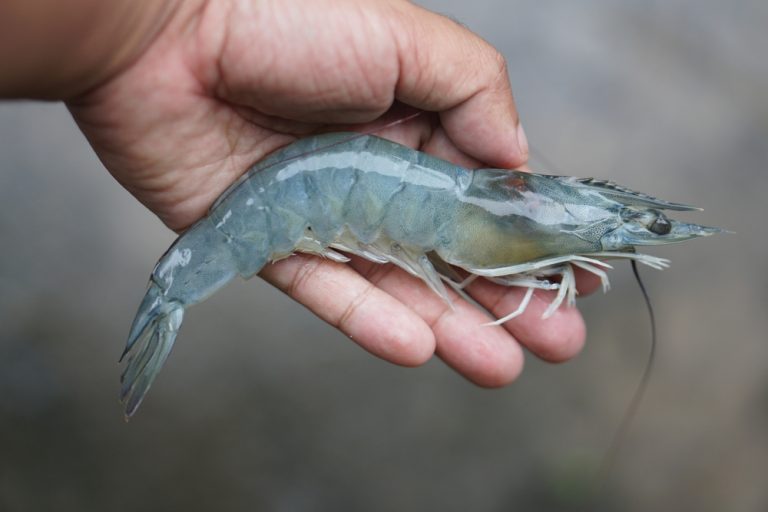
Shrimp Farming
In shrimp ponds and culture systems, HALAMID® is applied directly to the water for both routine hygiene management and disease outbreak control. It is effective against major shrimp pathogens such as Vibrio species, White Spot Syndrome Virus, and other bacterial and viral challenges.

Poultry
Biosecurity is key in farms and veterinary hygiene, all along the ‘farm to fork’ chain and starts by effective disinfection. Halamid® has been developed from the starting point of a strong killing effect and by greatly improving aspects such as stability is solution, corrosiveness and safety compared to more hazardous products.

Livestock
Halamid® is proven powerful yet mild disinfectant ideally suited to be used by poultry farmers in broiler houses, hatcheries and layer farms. Halamid® is notified under the EU BPR regulation and UK DEFRA approved among many other registrations around the world.

Healthcare & Industry
Halamid® is a broad-spectrum disinfectant effective against all major microorganisms. Widely used in food processing, drinking water systems, hospitals, and industrial facilities, it combines strong antimicrobial performance with excellent material compatibility. Easy to dissolve in water and gentle on surfaces, metals, and plastics, Halamid® meets the highest hygiene standards across diverse applications.
Everything you need to know about Axcentive
Welcome to Flextim Industry SRL in our Halamid® network of approved distributors!
Flextim Industry SRL provides a wide range of equipment necessary to increase the biosecurity levels in livestock markets in Romania such as state-of-art cleaning robots, incinerators, or powerful equipment for disinfection. Halamid® proven efficacy, powerful disinfectant but safe for animals, users and equipment is adding value to Flextim Industry’s professional range of equipment and products.

Do you want to learn more about Halamid® in Romania?
Don’t miss the opportunity to meet Flextim Industry’s team of professionals during INDAGRA 2022, the most important agricultural event in Romania from 26 – 30 October in Bucharest. Meet them on stand 15, Pavilion B1.



Supporting shrimp performance with an effective and universal biocide
The increased growth of shrimp farming around the world also comes with challenges such as the Early Mortality Syndrome. For a sustainable and profitable growth of the sector, effective and safe biosecurity measures are needed. Halamid® is doing just that.
Global shrimp production is on the rise. Experts predict that in 2022, production will exceed 5 million metric tons (MT). This is a huge acceleration of growth, considering that in 2015, global shrimp production didn’t even reach 3 million MT. The year-on-year growth is also confirmed by the latest Rabobank predictions, signalling a growth of 10% in 2021, continuing into 2022, putting shrimp production above pre-Covid-19 pandemic levels. But the steep rise in production also comes with challenges.
Over the years, the knowledge and understanding of major shrimp diseases and the effect of nutrition and feed additives has improved significantly. This has helped us to better cope with the challenges around diseases for example. Moreover, in the field of biosecurity, major improvements have been made in the products offered. This is not only spurred by new knowledge, but also to better protect the animal, human and environment. This has led to innovative solutions that are mild, yet very effective to keep shrimp ponds free of pathogens.
Gaining more control over EMS
Biosecurity is a key measure in the control of one of the main challenges in shrimp farming: Early Mortality Syndrome (EMS), also known as Acute Hepatopancreatic Necrosis Syndrome. This disease causes high mortalities in different regions around the world. EMS infects juveniles or post-larvae L. vannamei and P. monodon, with a 100% mortality rate within 10 to 35 days after stocking.
The disease was first detected in China in 2009. For a long time, the direct pathogen associated with EMS was unknown, until in 2013 researchers found a unique strain of a relatively common bacterium, Vibrio parahaemolyticus, that is causing EMS. This strain colonises the shrimp gastrointestinal tract and produces a toxin that causes tissue destruction and dysfunction of the shrimp digestive organ known as the hepatopancreas. Having this strain and a common Vibrio parahaemolyticus infection is making the situation worse and hence attribute to the high mortality rates.
Going for a universal approach
There is no cure yet for the unique strain found in 2013, but controlling the common Vibrio parahaemolyticus is considered a very effective way to control and manage EMS. This is where the implementation of strict biosecurity measures comes in. In shrimp farming, disinfection is done by surface disinfection after thorough cleaning and water disinfection (to keep the microbial quality of water to a certain desired level). Halamid® is a universal biocide and can be applied in both applications and works for a prolonged period of time, thereby allowing lower concentrations and giving longer protection.
Halamid® is extremely effective in killing Vibrio subspecies (spp.), including Vibrio parahaemolyticus. Tests have shown a complete killing of Vibrio spp. at 10 ppm with a treatment time of 24 hours. With the elimination of this secondary infection associated with EMS, we have a strong tool at hand to control and manage the disease. In practice, Halamid® can be applied during the whole production phase as a general prevention measure. In the case of an EMS outbreak, the product can be applied to help control the outbreak by minimising the Vibrio spp. load and keeping reasonable growth levels.
Halamid® ticks all boxes
The shrimp sector is a competitive business and subject to tightening regulations, environmental risks, sustainability demands and bacterial and viral disease outbreaks. It means that every decision you make and every measure you implement as a shrimp producer has to be effective. This is especially true for the biosecurity measures taken. An ineffective cleaning and water treatment can lead to unnecessary disease outbreaks, directly impacting shrimp health, growth and farm profitability.
As the global shrimp sector is expected to further grow in the coming years, we need sustainable, effective and safe biosecurity measures. Halamid® ticks all these boxes. Halamid® effectively destroys bacteria and virus particles in fish tanks, raceways, ponds and cages. It is readily biodegradable and due to its mild action towards fish and shrimp, the product is safe for animals and humans and non-toxic at effective dosage. It leaves no residues in the animals and does not accumulate in riverbeds.

Don’t let pathogens spoil the profitability of your shrimp operation. Get in touch to learn more about how Halamid® can help your business move forward.
Global warming accelerates simple, safe and stable pathogen control in aquaculture
Climate change affects multiple natural processes, including ambient and water temperature. This may lead to an increased risk of pathogen growth in aquaculture. Choosing a stable and effective water treatment solution helps fish farmers keep control.
It is one of the most discussed topics of today: Climate change, and the associated rising sea levels, record-breaking temperatures across the globe, declining air quality and extreme weather patterns. This will also influence aquaculture, as most of the fish farming takes place in open water bodies. In other words: Aquaculture will become vulnerable in the future, due to these effects of climate change.
Changing disease dynamics
Climate change effects on aquaculture production can be unfolded in a direct and indirect way. Indirect dynamics may include disruption of input supplies or spikes in product prices. Microorganism overgrowth is an example of a direct effect (to the fish) and can lead to an increase in bacterial and parasitic diseases, high mortality rates in the animals and hence huge economic losses for the producer. According to a study by Karvonen et al from the University of Jyväskylä in Finland, global warming may indeed impose severe risks for aquatic animal health if increasing water temperature leads to an increase in the incidence of diseases. The researchers analysed a time-series of disease dynamics on two fish farms in northern Finland from 1986 to 2006. This meta-analysis showed the annual mean water temperature increased significantly on both farms over the study period and that the increase was most pronounced in the late summer (July-September). Secondly, the researchers showed that the rising temperature increased the prevalence of some infections, such as the freshwater fish parasite Ichthyophthirius multifiliis and Flavobacterium columnare, the causative agent of Columnaris disease in freshwater species.
Efficacy and stability of a product = key
The prevention of pathogens and diseases, and the associated problems for fish welfare and end-product quality and safety, is controlled by strict hygiene rules that fish farmers must comply with. Fish farmers have been using disinfectants, in all forms, for many years already. But not all products are equivalent in performance and safety. At the same time, the aquaculture industry is constantly looking for more efficient production methods and a more sustainable / environmental way of working. This may rule out certain current water treatment solutions in the future. In addition, the aquaculture sector may be confronted with more challenges than today, related to the direct and indirect consequences of climate change and higher ambient and water temperatures. Choosing an effective and broad-spectrum solution to keep control of this all will therefore be more important than ever.
HALAMID®: Stable and effective under hot conditions
An effective water treatment solution should destroy pathogens effectively to prevent diseases and should be safe and stable in challenging conditions such as hot summers, which are now more of a rule than an exception, as a result of climate change. HalamidⓇ is a universal biocide, readily biodegradable, safe for humans, animals, and the environment. It is built on many years of expertise and works via an irreversible destruction of the envelope and cell material of microorganisms. The product is specifically recommended against parasitic diseases such as Amoebic gill disease (AGD), White spot and Costia, as well as bacterial diseases such as Vibrosis, Columnaris and Bacterial gill disease (BGD) and some viruses and fungi.
To test its stability during hot conditions, a study was performed with this biocide at 35 degrees Celsius and 85% relative humidity. The tests showed that after 120 days of storage during these hot summer conditions, the products packed in its original package did not change in weight or content, neither its performance was affected by such conditions. HalamidⓇ does not show any decomposition, even at temperatures of 40 degrees Celsius for a prolonged period.Conclusion
The stability of Halamid® under hot conditions, combined with the easy and universal application against many pathogens, therefore makes it the disinfectant of choice for todays and future biosecurity challenges.
HALAMID® is back at VIV Europe 2022!
📣📣 Save the date! 📣📣
Because animal health and biosecurity are major issues, Axcentive is proud to showcase Halamid® at VIV Europe from May 31st to June 2nd in Utrecht, Holland.
Come and meet us in hall 10, booth B024 to discuss all the advantages of using Halamid® all around the farm.


Enter into the Halamid® sphere and start up a discussion with our team to learn more about Halamid®’s uniqueness, efficacy, protocols and concentrations.
HALAMID® Control the spread of the Coronavirus
Using the correct disinfection protocol is an important part of reducing the spread of the novel Coronavirus SARS-CoV-2, causing COVID-19 disease, along with other critical aspects such as hand washing.
Halamid® eradicates the virus as a 1% solution in water.
To know more, please download our Technical Bulletin on that topic:
Aerial disinfection with Halamid® as useful addition to biosecurity protocols
The role and the importance of biosecurity measures in maintaining disease-free flocks no longer needs to be demonstrated. This discipline is recognised by the World Organization for Animal Health (OIE) as an essential component of disease control, eradication and prevention at farms.
The adoption of biosecurity measures such as all-in all-out production system and the disinfection of empty houses between the production cycles contributes to the reduction of disease transmission in livestock farming.
However, a stocked poultry or pig house can still continue to accumulate pathogens over time. Therefore, spraying a fine disinfectant mist in the presence of animals has a major impact in reducing infection and preventing diseases as it reduces the build-up and spread of pathogens. Such measure can be considered a useful addition to standard biosecurity protocols.
Sarah Koehler, Commercial Manager at Axcentive SARL comments: “Feedback from the market tells us, such misting is very well feasible in many farms; the challenge for the farmer is finding the proper disinfectant. The right product shall combine a strong and broad activity spectrum without side effects for animals. Also, such aerial disinfection should give no concern about food residues”.
Animal exposure and consumer risk assessment
A recent risk assessment conducted by ERM- France and performed according to relevant European standards, confirms that Halamid® can be used in the presence of animals without risks for animals and consumers. The assessment has been done for dilution rates up to 1:100 (1%).
Portable spraying equipment providing fine droplets, cold foggers or a misting installation can be used for such application. At typical in-use dilutions operators can safely work with Halamid® solutions with the appropriate standard personal protection which is routine for the use of any professional hygiene product.
Sarah Koehler ends: “Its superior safety profile towards operators and animals, proves once more how Halamid® leads the way forward in farm biosecurity”.
Need protection against Corona virus ?
Almost 20 years after the SARS outbreak, the Coronavirus is back in the global news. The Chinese city of Wuhan is in quarantine, in an effort to limit the spreading of the disease. Draconic measures largely interfering with the Chinese New Year celebrations.
What virus is responsible and what is the relationship with SARS ?
The current disease is caused by a pathogenic corona virus (2019-nCoV), causing a highly contagious disease. SARS (for Severe Acute Respiratory Syndrome) was also caused by a Corona virus. Both viruses are largely similar (70%) but different enough to be identified as two distinct strains.
How the corona virus spreads and what can be done to avoid its spreading.
The primary route of infection with the virus is via droplets of body fluids. Coughing and sneezing are very likely ways of virus dispersion. The virus is stable in faeces and urine for 1-2 days at room temperature. Even surfaces (public places) can act as reservoirs for the virus.
Unfortunately, no specific treatment or vaccine is available. Isolation of the infected persons, preventing exposure to the virus and disinfection are the major points to control the spread of the disease. The WHO recommends to wash hands regularly and cover mouth and nose when sneezing and coughing.
Why you should use Halamid®.
Because our disinfectant Halamid® is proven effective in killing the Corona virus.
Because Halamid® is safe to handle, not corrosive to equipment and effective against a large range of microorganisms. This broad range effectivity is important because other pathogens may cause secondary infections once the person has been weakened by infection with the coronavirus.
Where you should use Halamid®.
Disinfection of places where possibly affected people are present (eg. hospitals) is obviously very important. It should take place as often as possible, and certainly once a day at the very minimum.
It is also important to regularly disinfect other public places. Attention should be paid to public buildings (schools, airport, train stations, commercial centres, restaurants and so on) and public transport among others. Private places should also be disinfected, especially if the virus is present in the region. Each person should disinfect its own place on a regular basis. Special attention should be paid to toilets, bathroom, kitchen and doorknobs.
How you should use Halamid®.
Halamid® is used as a solution – the powder easily dissolves in water – and solutions are very stable if stored away from heat and light. Dirt protects the virus, so a thorough cleaning preceding disinfection will give the best results. The recommended dose is 1% with a contact time of 30 min. A Halamid® solution can be rinsed, mopped or sprayed. We advise to use at least 150 ml/m2.
Beat the ASF-virus with Halamid®
Since well more than a year African Swine Fever (ASF) is making headlines. In Asia and in particular in China this is giving turmoil even on macro-economic level as pork meat is the most popular ingredient in typical Chinese dishes. Now the virus has spread and has become a global thread.

As for all highly pathogenic viruses threatening livestock, biosecurity is the only remedy to eradicate them. Other than the right protocols in place and strictly following these (!), the choice of disinfectant is an important aspect. However there are only very few commercial disinfectants with a proven efficacy against the ASF-virus. Taking the proof of efficacy for granted may be a very costly oversight!
Axcentive have re-tested the efficacy of Halamid® against this pathogen at the European reference lab for ASF in Spain. Halamid® had already been tested many years ago but with the new European norms in place and the likely evolution of virus strains, we felt the need to re-assure ourselves and our customers.
As expected, Halamid® passed the test (EN14675) at all concentrations tested. This means that a Halamid® solution at a concentration of 0.3 % (dilution 1:333) yields a reduction in virus level of more than 10log4 (which is the norm). In fact the actual killing was over 10log5.
A reduction with a factor of 100.000!
Arno Schut, Innovation Manager at Axcentive explains: “These test results and the conclusion that again Halamid® is effective at high dilution confirm the unique properties of Halamid®. Our product is combining a strong killing effect towards pathogens with mild properties towards surfaces and to humans or animals. Very few commercial disinfectants have proven effective against the ASF virus through external certified labs. Any statement as to the effectiveness of a disinfectant, not based on such expert testing should not be trusted, with the risk of using a product that will not give you the required eradication of this pathogenic virus!”

Antimicrobial resistance – the time to act is now!
Antibiotics used in aquaculture farming contribute to the global problem of antimicrobial resistance, which threatens the world population. However, approaches that can slow down this development exist—like the use of disinfectants.
Thanks to the recent European Antibiotic Awareness Day and the WHO World Antibiotic Awareness Week, you probably have become more aware of the use and abuse of antibiotics—and the implications this behaviour has on the world. But did you know that antibiotics used in land-based farming and aquaculture are basically using the same killing strategies toward bacteria as human antibiotics do? That being the case, it comes as no surprise that antimicrobial resistance in humans has been linked to use of antibiotics in the farming of animals.
Although they both kill pathogens, antibiotics and disinfectants differ greatly in how they work. In aquaculture, this is not always obvious because both are added to the water.
To illustrate, antibiotics kill bacteria inside the body via a product-specific effect on processes in the cells of a pathogen, whereas disinfectants act outside the body through a broad largely unselective destruction of bacteria. A bacterial disease not sufficiently treated with antibiotics allows fast-replicating bacteria to build a defence mechanism, making them less sensitive. Upon repeated exposure, such bacteria may have become fully resistant against a particular type of antibiotic.
Despite closed systems, aquaculture farms still interact with their environment more than land-based farming. The development of any antimicrobial resistance in a farm cannot be confined. On the other hand, fish farms import less sensitive and potentially resistant bacteria from the environment.
Reducing the risk of antimicrobial resistance starts with a controlled and responsible use of antibiotics. A zero-antibiotics policy is the long-term solution, though. With the help of a premium disinfectant, such as Halamid®, this is achievable—and numerous farms are already proving it. Vaccination, excellent biosecurity, and properly executed management procedures enable a socially and environmentally responsible approach.
As mentioned before, aquaculture operations can hardly be isolated from their surroundings and the risk of infections is omnipresent. A biodegradable biocide that can be dosed in the water on a continuous basis without showing toxic effects to the aquatic animals nips any pathogen growth in the bud, helps avoiding diseases, and improves animal welfare—and, as a result, increases yield. Halamid® is one of very few options available for this approach that’s already being used.
Axcentive is committed to supporting the transformation of the aquaculture industry to zero-antibiotics. It is currently stepping up its applied research with the aim of fine-tuning this type of continuous water treatment with Halamid®.
Contact us
Ready to explore partnership opportunities?
Discover how our 190 years of chemical expertise and unique product portfolio can support your business growth.