
Halamid
As experts in unique chemistry, we have developed a diverse portfolio of technologies designed to meet the evolving needs of our customers across multiple markets. Our innovative solutions are built on deep scientific expertise and a commitment to performance, quality, and sustainability.
We serve four main markets:
Disinfection: Biosecurity solutions ensuring the highest hygiene standards wherever protection is required.
Smart Coatings: Advanced nanotechnologies and sol-gel systems that help customers overcome key challenges and create surfaces with enhanced functionalities.
Additives: A comprehensive range of REACH-registered sulfonamides widely used in the cosmetics and laminates industries.
Fine Chemicals: High-quality raw materials primarily serving the pharmaceutical sector.
Titre H2
Bandeau de valorisation de chiffres clés ou informations importantes
Additives
 Halamid9 December 2025
Revolutionizing Aquaculture Disinfection: Chloramine T (Halamid®) delivers superior efficiency, safety, and sustainability for rainbow trout egg treatment
A groundbreaking study published in the Journal of Genetic Engineering and Biotechnology unveils a simplified, one-step disinfection technique…

Quality & regulatory

Smart coating
Our highly specialized team focuses on nanotechnology to protect and functionalize surfaces such as glass, metal, plastics, and mineral substrates. Nanotechnology-based coating materials enable the development of smart coatings that impart specific functionalities across multiple sectors, including Automotive, Aviation, Architecture, Glass Care, OEM, and Yacht Care.

PTSA
Photovoltaic Self-Cleaning Lorem ipsum dolor sit amet, consetetur sadipscing elitr, sed diam nonumy eirmod tempor invidunt ut labore et dolore magna aliquyam erat, sed diam voluptua. At vero eos et accusam et justo duo dolores et ea rebum. Stet clita kasd gubergren, no sea takimata sanctus est Lorem ipsum dolor sit amet. Lorem ipsum dolor sit amet, consetetur sadipscing elitr, sed diam nonumy eirmod tempor invidunt ut labore et dolore magna aliquyam erat, sed diam voluptua.
PTSAcid
Photovoltaic Self-Cleaning Lorem ipsum dolor sit amet, consetetur sadipscing elitr, sed diam nonumy eirmod tempor invidunt ut labore et dolore magna aliquyam erat, sed diam voluptua. At vero eos et accusam et justo duo dolores et ea rebum. Stet clita kasd gubergren, no sea takimata sanctus est Lorem ipsum dolor sit amet. Lorem ipsum dolor sit amet, consetetur sadipscing elitr, sed diam nonumy eirmod tempor invidunt ut labore et dolore magna aliquyam erat, sed diam voluptua.
PTSC
Photovoltaic Self-Cleaning Lorem ipsum dolor sit amet, consetetur sadipscing elitr, sed diam nonumy eirmod tempor invidunt ut labore et dolore magna aliquyam erat, sed diam voluptua. At vero eos et accusam et justo duo dolores et ea rebum. Stet clita kasd gubergren, no sea takimata sanctus est Lorem ipsum dolor sit amet. Lorem ipsum dolor sit amet, consetetur sadipscing elitr, sed diam nonumy eirmod tempor invidunt ut labore et dolore magna aliquyam erat, sed diam voluptua.
Disinfection
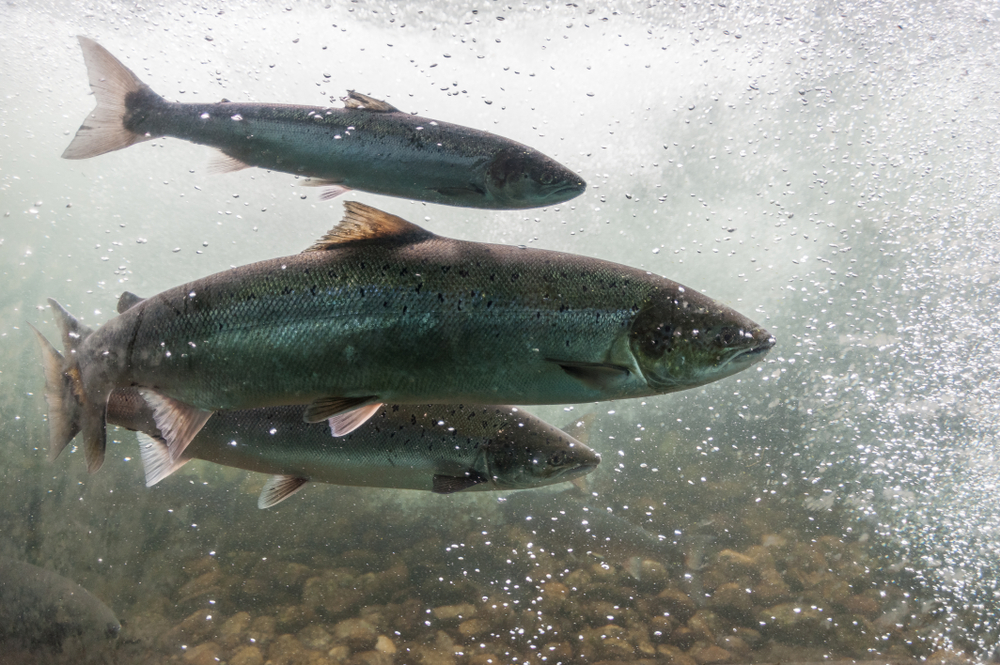
Aquaculture
Halamid® has been a trusted and effective disinfectant in aquaculture for many years, valued for its proven efficacy and low toxicity to fish, shrimp, and aquatic environments. It is suitable for use in saltwater, brackish, and freshwater conditions.
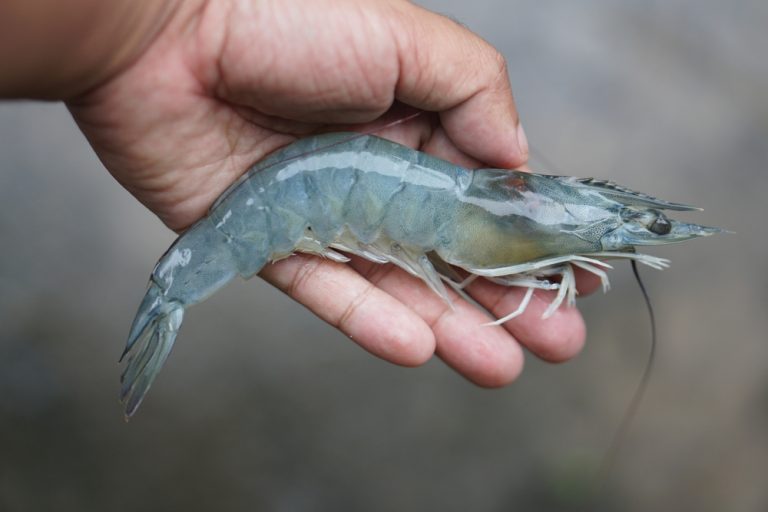
Shrimp Farming
In shrimp ponds and culture systems, HALAMID® is applied directly to the water for both routine hygiene management and disease outbreak control. It is effective against major shrimp pathogens such as Vibrio species, White Spot Syndrome Virus, and other bacterial and viral challenges.
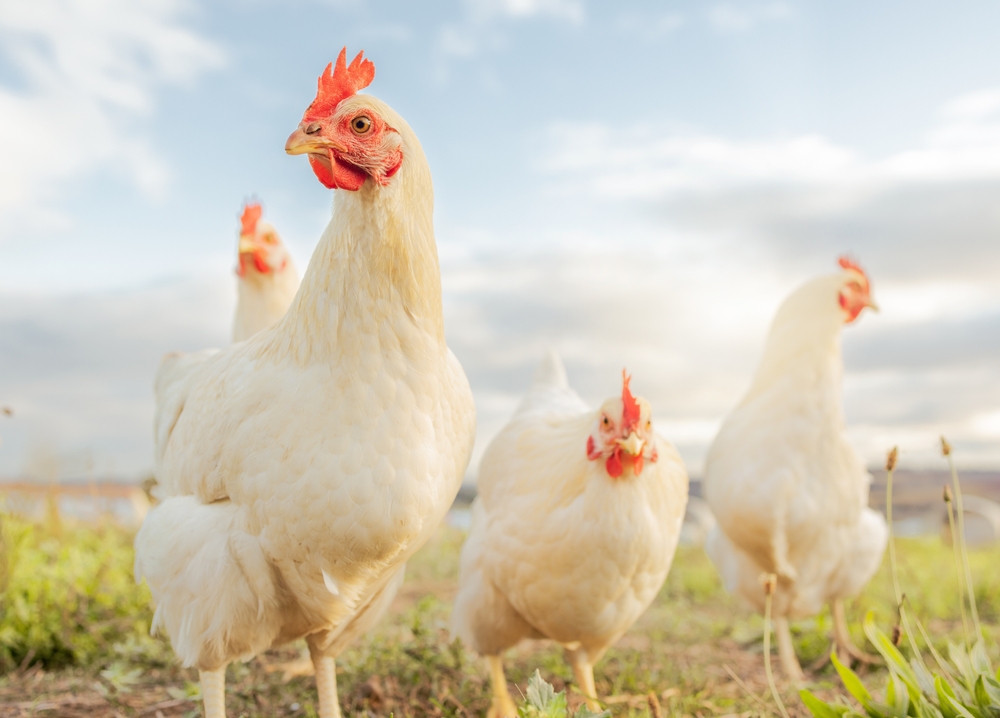
Poultry
Biosecurity is key in farms and veterinary hygiene, all along the ‘farm to fork’ chain and starts by effective disinfection. Halamid® has been developed from the starting point of a strong killing effect and by greatly improving aspects such as stability is solution, corrosiveness and safety compared to more hazardous products.

Livestock
Halamid® is proven powerful yet mild disinfectant ideally suited to be used by poultry farmers in broiler houses, hatcheries and layer farms. Halamid® is notified under the EU BPR regulation and UK DEFRA approved among many other registrations around the world.

Healthcare & Industry
Halamid® is a broad-spectrum disinfectant effective against all major microorganisms. Widely used in food processing, drinking water systems, hospitals, and industrial facilities, it combines strong antimicrobial performance with excellent material compatibility. Easy to dissolve in water and gentle on surfaces, metals, and plastics, Halamid® meets the highest hygiene standards across diverse applications.
Everything you need to know about Axcentive
Halamid®: Let’s talk with Richard Turner from Saint David’s Poultry Team




Is your water disinfectant compatible with your RAS biofilter?
Recirculating Aquaculture Systems (RAS) use biofilters to keep the water fresh and clean. But the risk for pathogen contamination remains. For a well working system, you need a safe and effective disinfectant that targets the unwanted pathogens but doesn’t disrupt the biofilter’s good bacteria.
In fish farming, we see three main methods of production: open water systems, flow through farm systems and closed circuit systems. The closed systems are land-based (on-shore) and known as recirculating aquaculture systems (RAS).
RAS has been increasingly applied as it is an efficient way to produce high quality fish protein and reduce the pressure on the environment and water quality. Other – more production related – benefits of this system include: better control over biosecurity and quality, no waste streams, shorter production cycles, optimal feeding, better fish health and easy harvesting amongst others.
A complex ecosystem comes with challenges
Designed as a unique engineered ecosystem, RAS typically employ a biofilter – containing certain bacteria species – to control ammonia levels by the removal of nitrogenous waste from excess animal waste and undigested feed. Nitrifying biofilters are a critical component of most RAS and an important determinant of operational success. Research showed that RAS biofilters harbour complex microbial communities whose composition can be affected (Bartelme et al, 2017).
While RAS has many advantages, this complex system also comes with challenges regarding introduction of pathogens from outside when not managed well. If the water quality and biofilters don’t work well, it can have a direct impact on fish health and pathogen growth. An ammonia level of 0.2mg/l can already be irritating to gills of fish. The application of water disinfectants – to support biofilters – is therefore recommended.
RAS requires safe, mild and effective disinfectant
Fish producers around the world are using different disinfection protocols in RAS. But are these different water disinfectants compatible with the biofilters? You simply don’t want to use a disinfectant that is harmful to the beneficial bacteria in the biofilters. This can disrupt the biofilter and hence lead to more problems and loss of money. To reap the benefits of applying RAS aquaculture it is therefore important to apply a product that is safe, quick, simple, effective and doesn’t disrupt the biofilter.
Halamid® is an innovative and fast disinfectant (oxidiser) and has been specifically developed to be powerful and mild at the same time. It eradicates all major pathogens in one application round, while being safe for fish, humans and the environment. Its broad spectrum, high efficacy and compatibility with biofilters makes it the number one choice for use in RAS aquaculture. In addition, this product is non-corrosive, biodegradable and doesn’t lead to resistant bacteria.
Studies show compatibility of Halamid® with biofilter
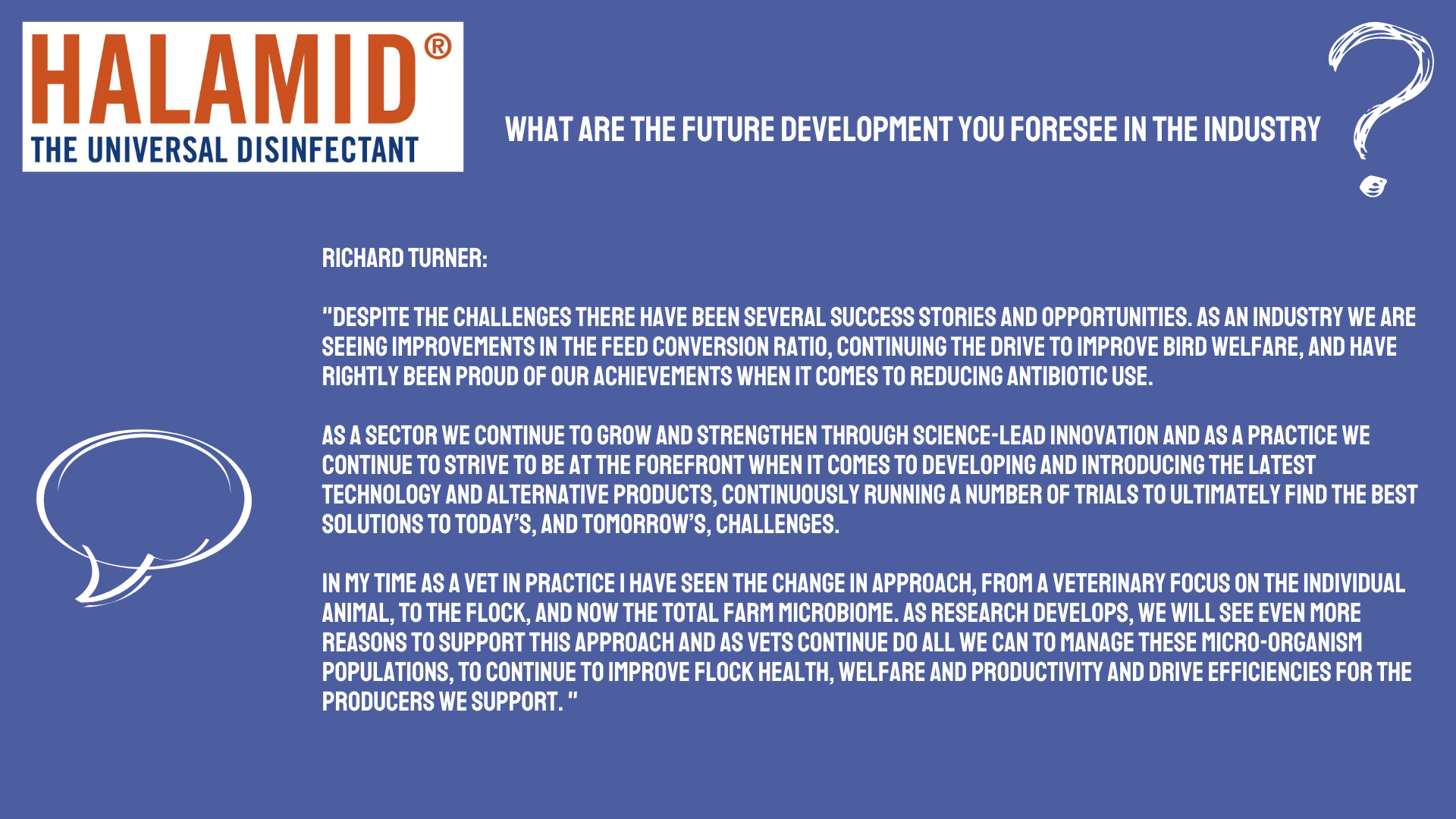
In a study done by Virginia Polytechnic Institute in the US, Halamid® was tested on its compatibility with biofilters. The study showed that even at a dosage of 20 ppm of Halamid, the nitrate formation (and hence the quality of the biofilter) was maintained (Figure 1).

Working towards a more sustainable growth of aquaculture
Fish production is on the rise and this leads to more RAS aquaculture to be able to produce quality products in an efficient and environmentally friendly way. To support this, we need sustainable, effective and safe biosecurity measures. The combination of the product mode of action (oxidation) and the application (spread over time to present peak concentrations at the biofilter) makes Halamid® ideal for use in RAS and doesn’t affect the biofilter, as shown in this study.
For optimum operational success in RAS aquaculture, choosing a water treatment product that is compatible with biofilters is key. Halamid® is a globally available product. Get in touch to learn more about how Halamid® can help your business move forward.
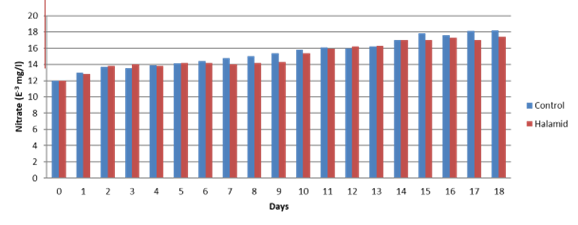
Halamid®: Let’s talk with Dr Jolene from F.E Venture

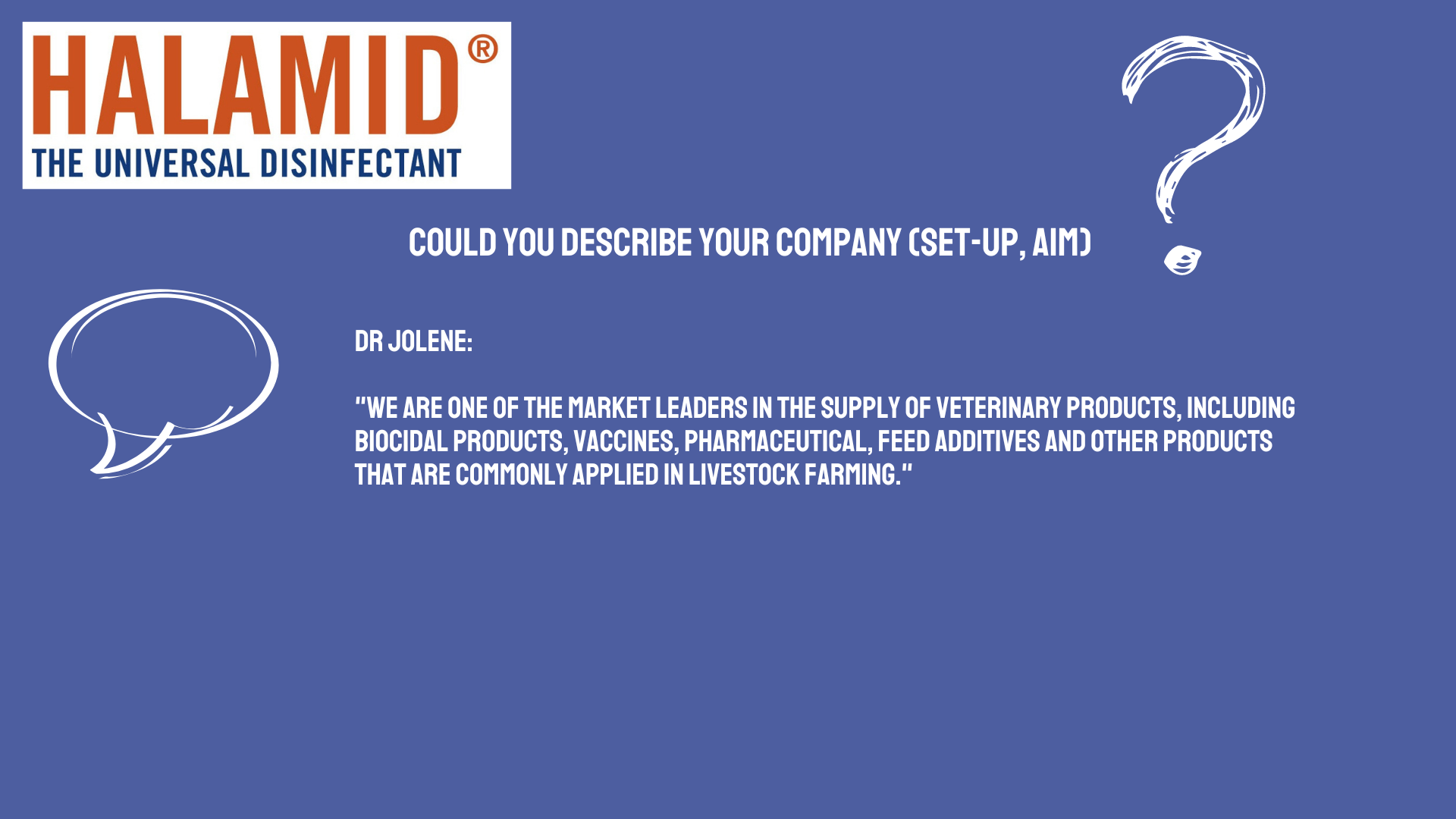
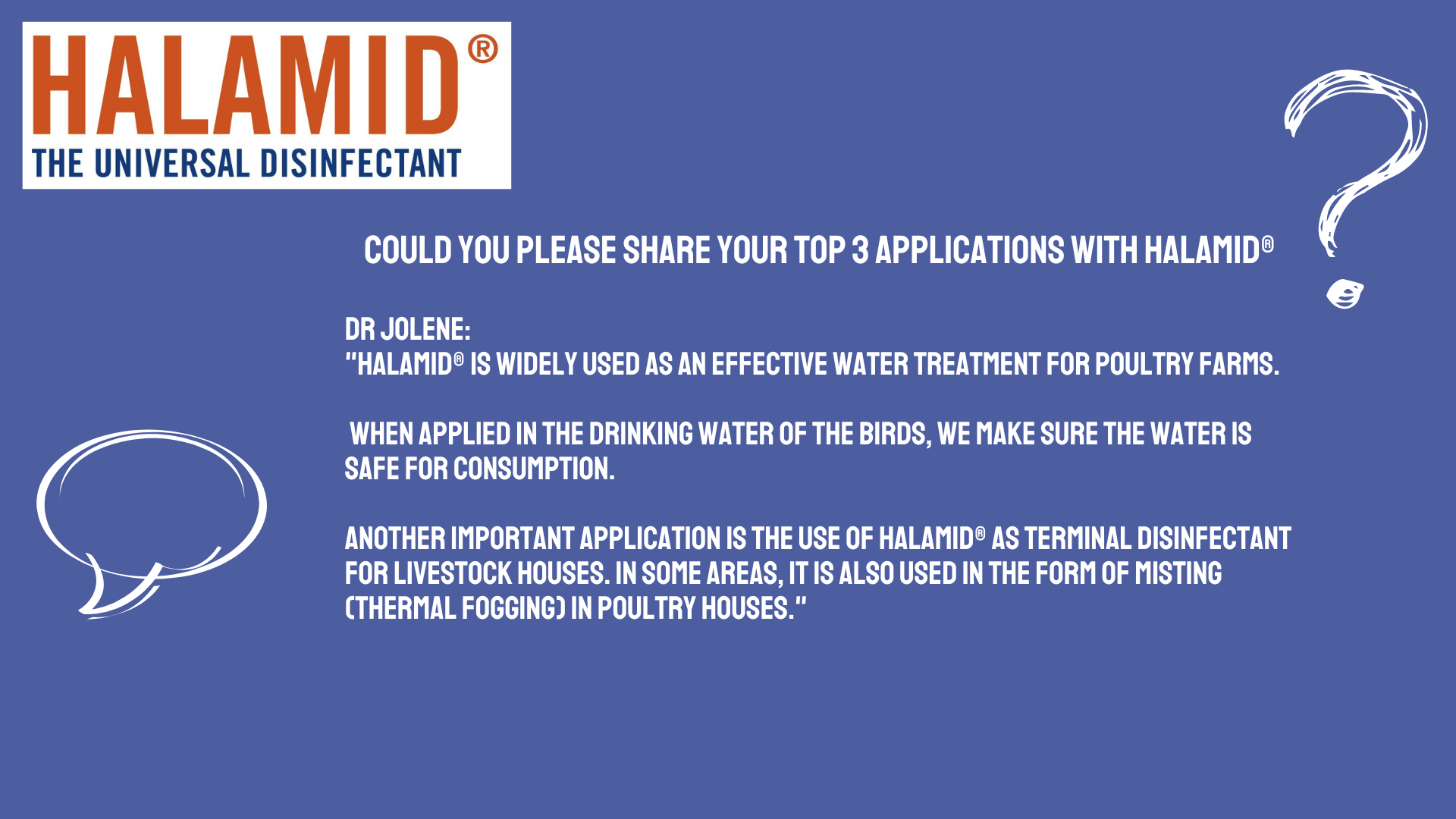

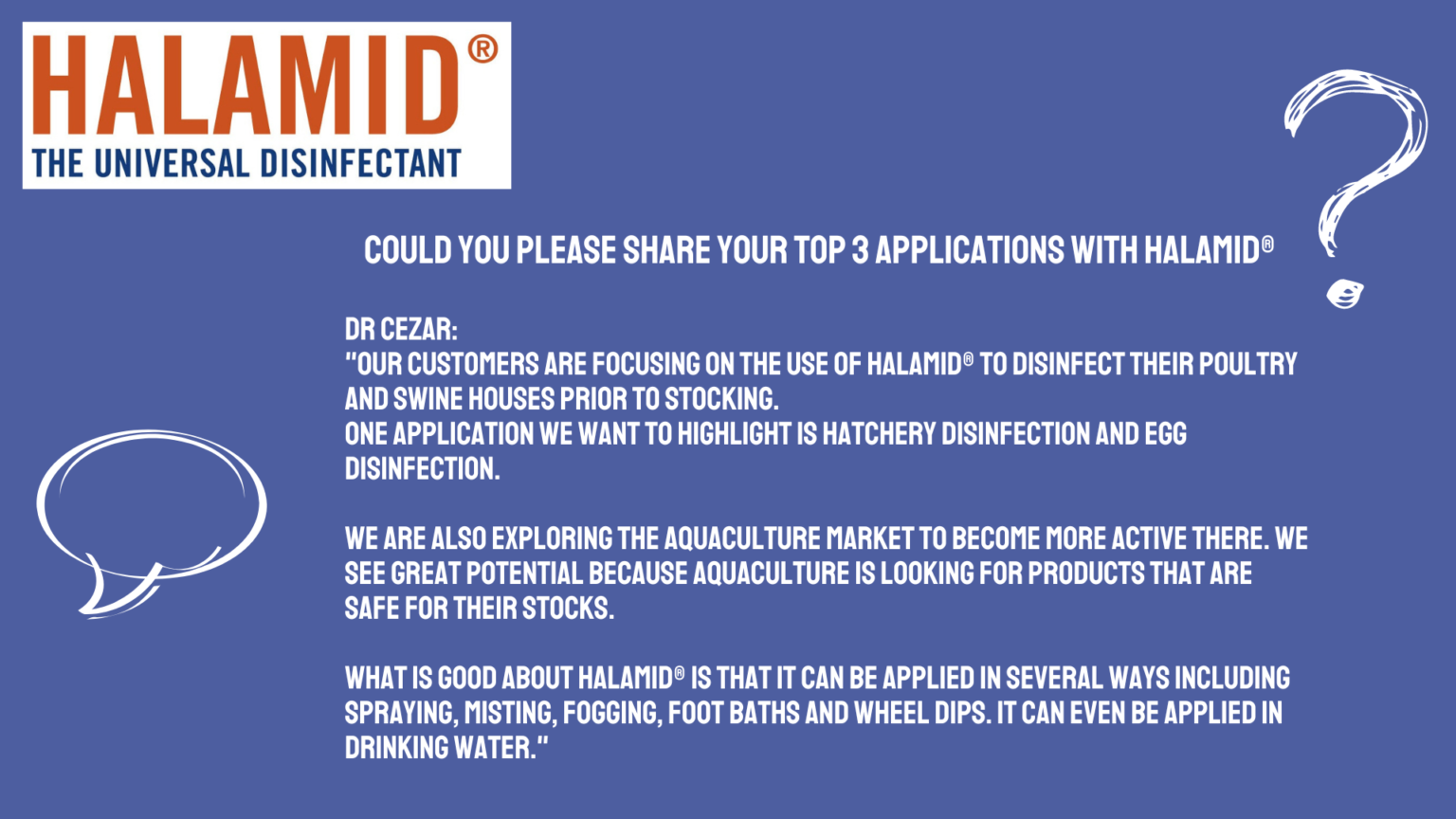
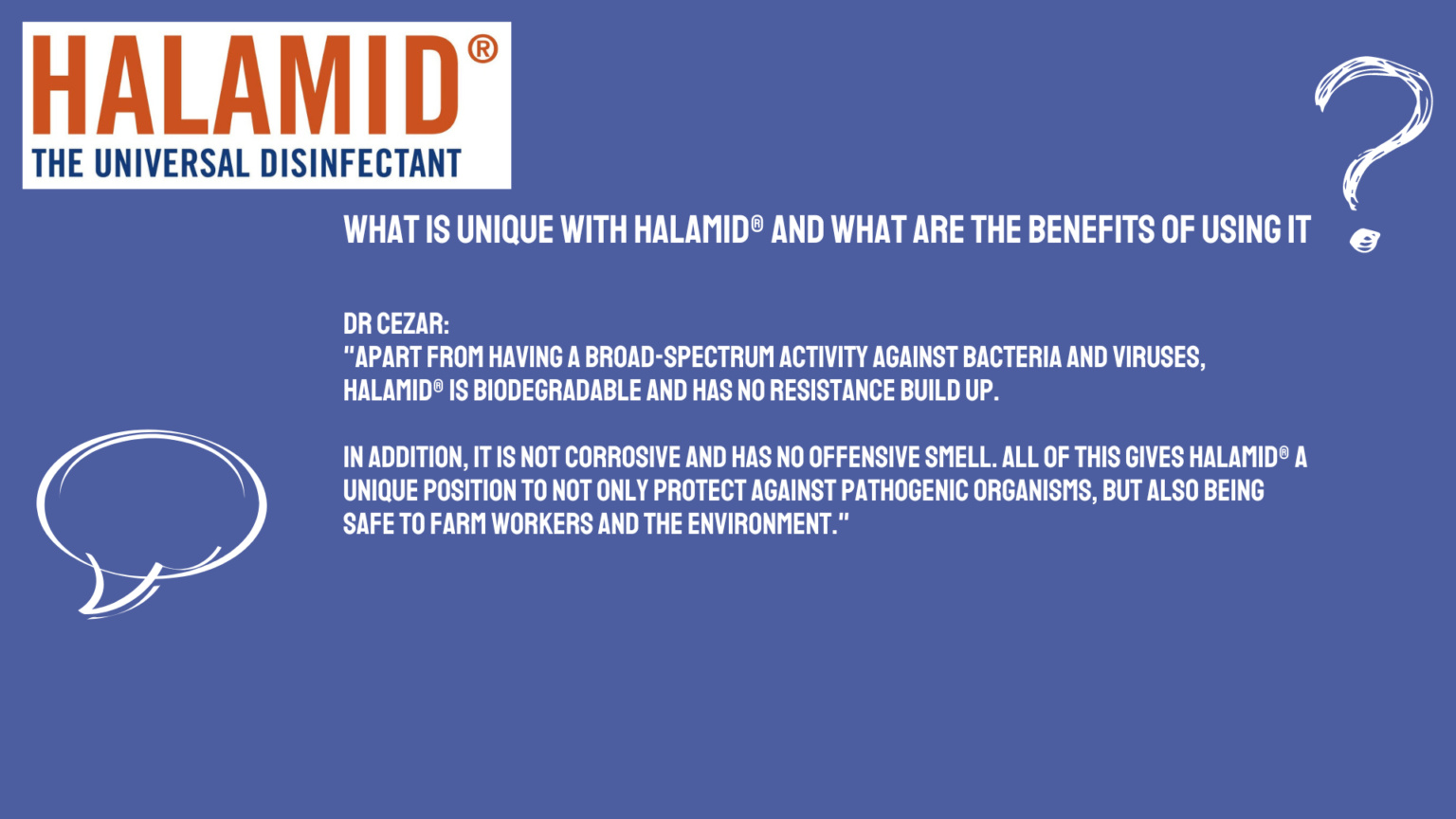
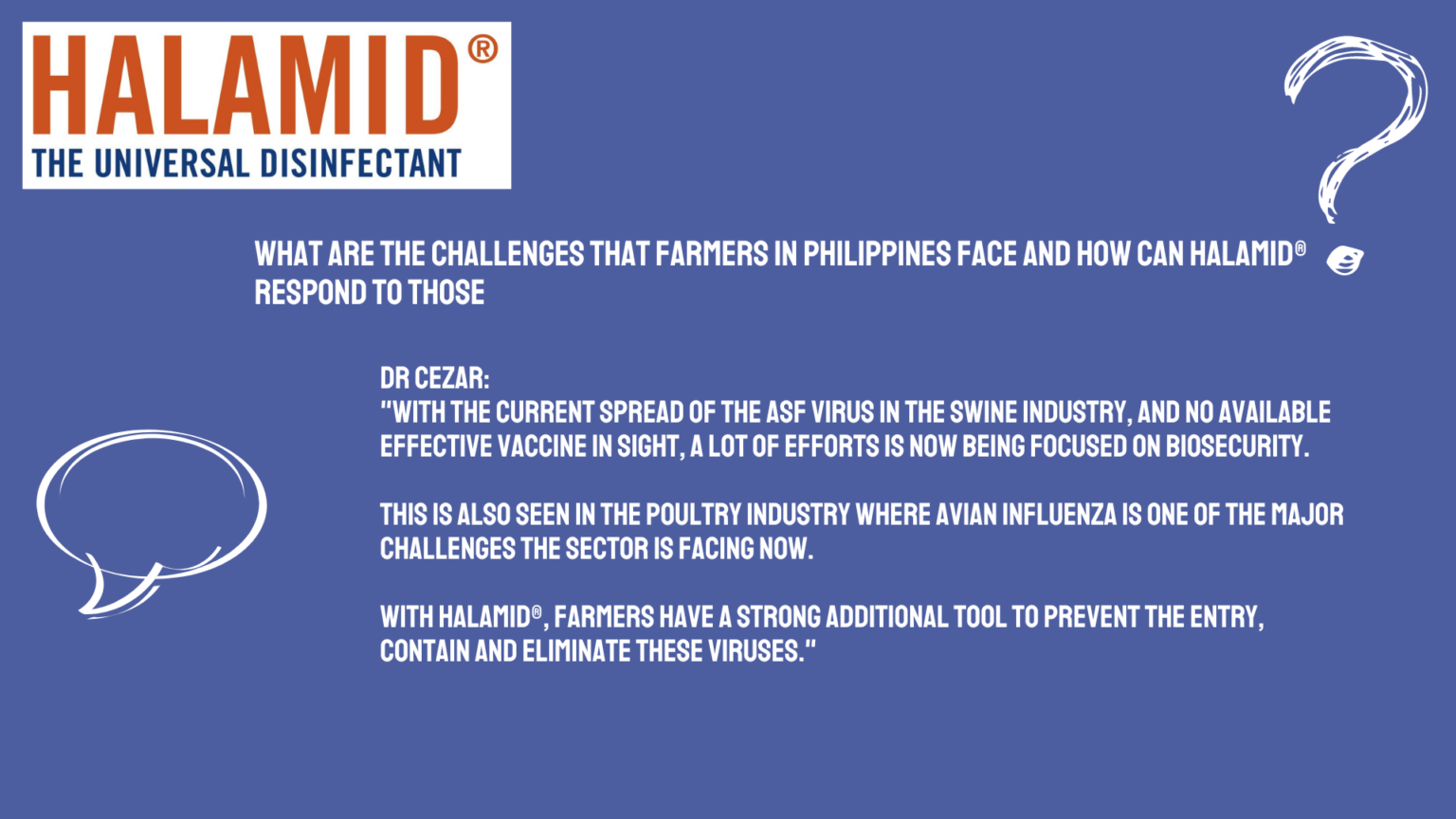
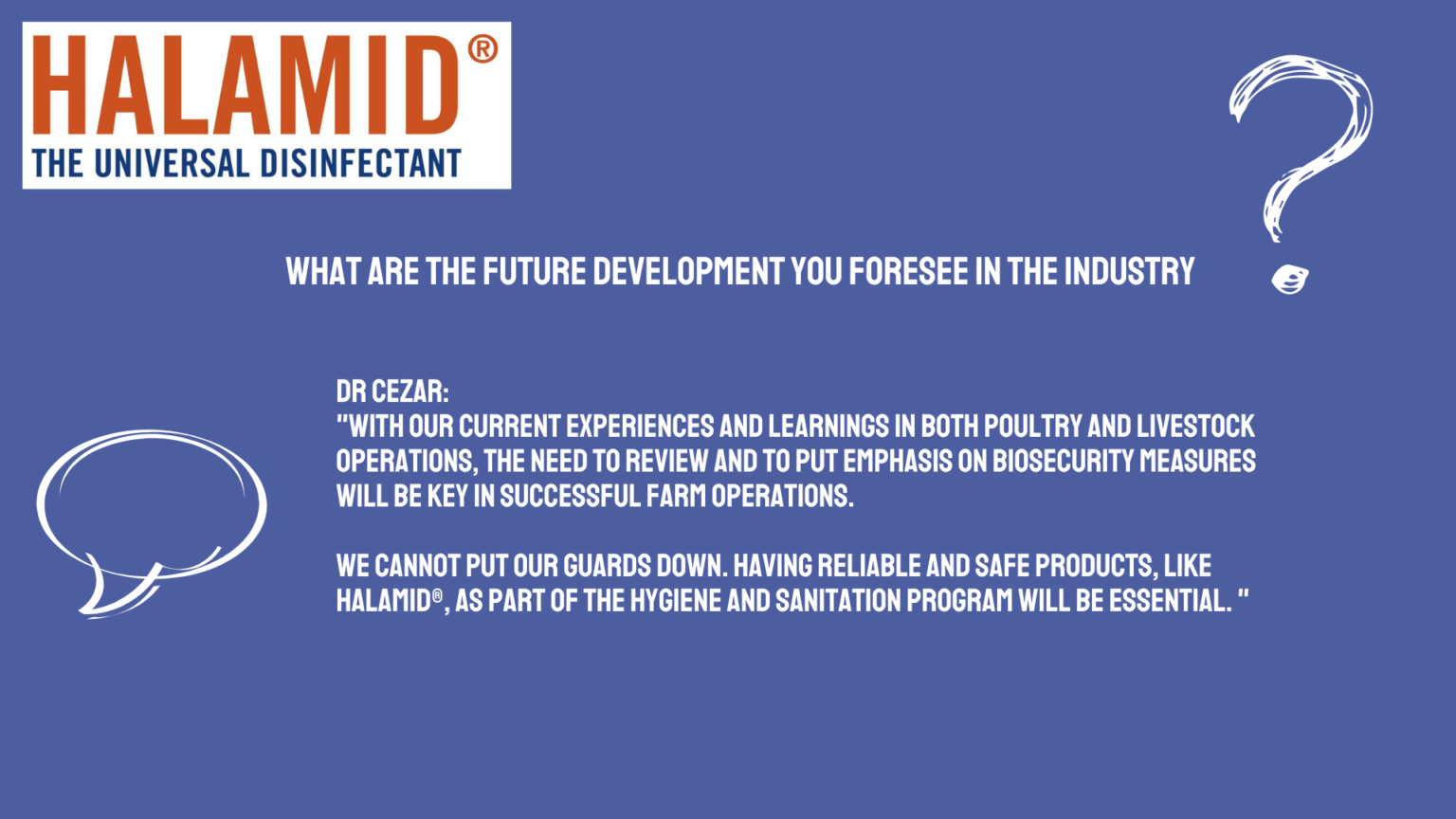
Halamid®: Let’s talk with Dr Cezar from Nezus



Don’t let corrosion unfold after farm disinfection
You want your equipment, barn, or pond clean and disinfected, not ruined by corrosion. Yet, aggressive disinfectants such as peroxygens are known to be accelerators for corrosion. The choice of an effective, yet mild product instead can make the difference.
There are many disinfection solutions for livestock and aquaculture farmers on the market. They have different modes of actions (due to different chemical reactions) and can act differently in different environments and ambient temperatures.
The group of acidic peroxygen types of disinfectants are known to be aggressive (and hence effective in killing pathogens), they also come with a major adverse side effect: corrosion
Corrosion = unnecessary extra costs
Corrosion is a significant problem in industries – such as farming – where disinfection processes are frequent and of critical importance. Using too many peroxygen-based disinfectants can corrode, tarnish and degrade pumps, pipes, cages, grills and other pieces of equipment on fish farms and barn surfaces and equipment (e.g. fans and feeders) on livestock farms.
Corrosion can also affect the spraying equipment itself. Corrosion control and prevention is important and prevents extra, unnecessary costs due to forced early replacement of equipment. So why choose a disinfectant that accelerates corrosion?
Neutral pH: safe for metals
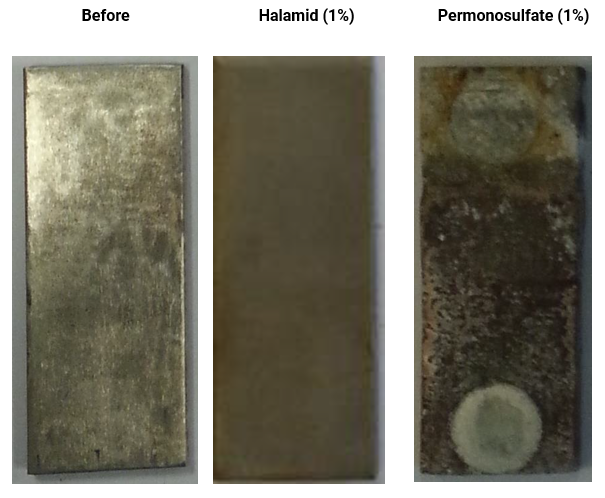
Not all disinfection products spur corrosion and Halamid® is a great example of this. This oxidising disinfectant is effective against a wide spectrum of pathogens and doesn’t damage surfaces and/or equipment. To confirm this, Halamid® underwent a corrosion test and was compared to a peroxymonosulfate-based product to see the effects on 6 different materials (copper, brass, steel, stainless steel, aluminium, and PP).
The test showed that Halamid® is far less corrosive to metals than the peroxymonosulfate-based product, due to its neutral pH and mild oxidative properties. It also showed no weight loss and improvement of the visual effect of corrosion. One example of the corrosion test (stainless steel) is shown below:

Conclusion
Steel materials in the form of cages and farm equipment can be corroded by chemicals, including some types of disinfectants. And while disinfection is a substantial part of the biosecurity measures, it should not burden farmers with extra costs or material losses due to irreversible signs of corrosion. Choosing a product that is mild to surfaces and equipment is therefore key.
Halamid® has been specifically developed to meet customer needs around pathogen challenges and farm management. It is powerful and mild at the same time and eradicates all major pathogens in one application round, while being safe for animals, humans, the environment AND metals and surfaces.
Don’t let corrosion ruin your farm equipment. Choose HalamidⓇ as your go-to product to effectively and safely disinfect aquaculture and livestock production sites. Get in touch to learn more.
Halamid®: Let’s talk with Reinout Hoevenaar, owner of VEIP Disinfectants




The critical role of farm disinfection to curb global antibiotic use and AMR
While the livestock sector is on the right track, there is potential to further reduce the use and dependency of antibiotics. Disinfection is one of the most effective and easy interventions to achieve this.
The use of antibiotics has decreased and is now lower in food-producing animals than in humans, according to the 2021 report from the European Food Safety Authority (EFSA), the European Medicines Agency (EMA) and the European Centre for Disease Prevention and Control (ECDC). This is good news and shows that the measures taken by the European Union (EU) such as the 2001 ban on preventive use of antibiotics in farm animals, as well as the result of all efforts made in better animal nutrition, vaccination, and better farm management are proving to be effective. Since the EU ban in 2001, other regions in the world, including the United States and Asia, have been working on the curb of antibiotics in livestock production as well. The measures are focused on responsible use of antibiotics, meaning that antibiotics can still be used for treatment of diseases, as animals have the right for good treatment when they are ill, rather than using antibiotics to prevent diseases or cover up bad welfare or poor farm management practices.
AMR is high on the agenda
While the EU ban in 2001 is being considered a milestone for more sustainable and healthier livestock production, routine application (including overuse and misuse) of antibiotics for disease control and treatment is still seen, which may contribute to the emergence and spread of antimicrobial resistance (AMR). AMR occurs when bacteria, viruses, fungi, and parasites change over time and no longer respond to medicines making infections harder to treat and increasing the risk of disease spread, severe illness and death. AMR is linked with several Sustainable Development Goals (SDGs) of the United Nations and therefore high on the agenda to tackle. Not only because AMR is a global public health and societal issue, but it can also compromise the achievement of the SDGs, affecting health security, poverty, economic growth, and food security.
Increased focus on disease prevention
The continuing threat of disease outbreaks and the priority of AMR urges the livestock sector to take action to mitigate, prevent and control antibiotics even more than we already do. And this is possible because there is room to further decrease antibiotic use. This is encouraged with the new EU Animal Health Law, that came into effect in April 2021, and states that only sick, individual animals (and not whole herds) may be administered antibiotics. The new EU legislation also strongly embraces the One Health approach as a way to rethink the livestock production system, as well as better early detection and control of animal diseases. In practice this means that we need to focus on a more sustainable and healthy way of producing animals. The application of natural antimicrobials and immune stimulants such as plant extracts, yeast extracts and probiotics are great nutritional tools to keep the animal healthy and performing and reduce the dependency on treatment of antibiotics. The same is true for biosecurity and routine disinfection, which are considered strong backbones of effective disease prevention and hence the formation of AMR.
Role of biosecurity and disinfection
The use of a farm disinfectant is one of the most effective and easiest ways to prevent animal diseases and reduce antibiotic use. It is all about keeping pathogens under control. But there are different approaches and products on the market. Halamid® is a unique product and this oxidative disinfectant has been specifically developed to be powerful and mild at the same time. It is safe for animals, humans, and the environment. The mode of action of Halamid® is based on an irreversible destruction of the envelope and cell material of microorganisms. This oxidising action ensures that microorganisms are effectively killed and do not have a chance to develop resistance, directly helping to reduce the formation of AMR on farms. In addition, because Halamid® covers all major pathogens and only one application round is needed, the product is more efficient from a time and dosage perspective, compared to other disinfectants on the market.
Conclusion
While the livestock sector is on the right track to improve and take responsibility, there is potential and need to further reduce the use and dependency of antibiotics. This is because there is still large variation in antibiotic use and application of biosecurity measures in different regions and countries and AMR is still not under control. The EU is considered a frontrunner in antibiotic legislation and has taken the next step with the new EU Animal Health Law. Yet, in some regions of the world, preventive application of antibiotics still exists. Increased efforts on more sustainable and healthy livestock production will not only profit farmers and animals, but also contribute to the reduction of AMR, which is being considered one of the main human health threats today. The interventions that are applied on farms should therefore be a powerful mix of farm management practices, high quality diets and effective and successful biosecurity and disinfection protocols.
HalamidⓇ is a universal biocide, readily biodegradable, safe for humans, animals, and the environment. It is built on many years of expertise and helps to contribute to less antibiotic use and AMR. Get in touch to learn more.
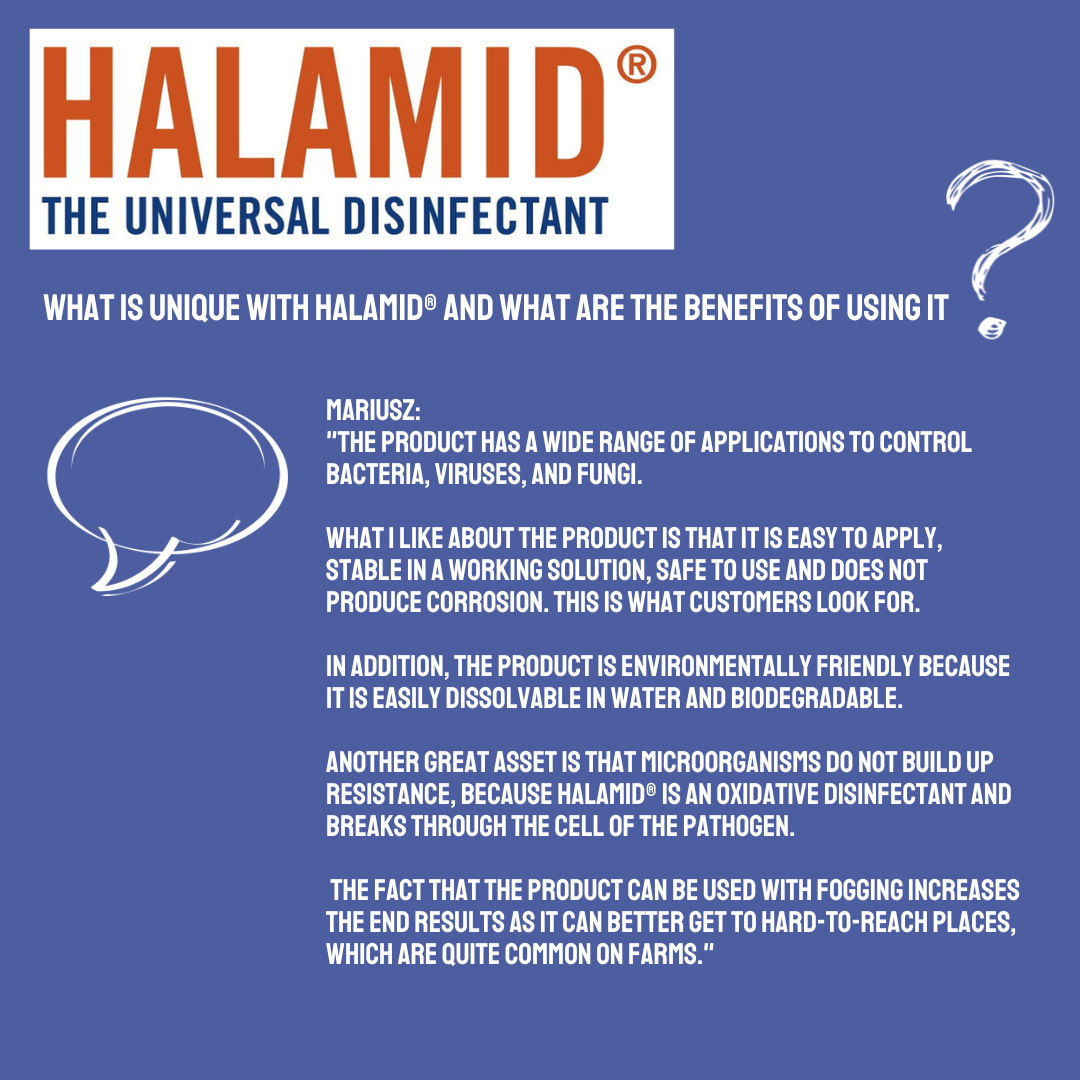
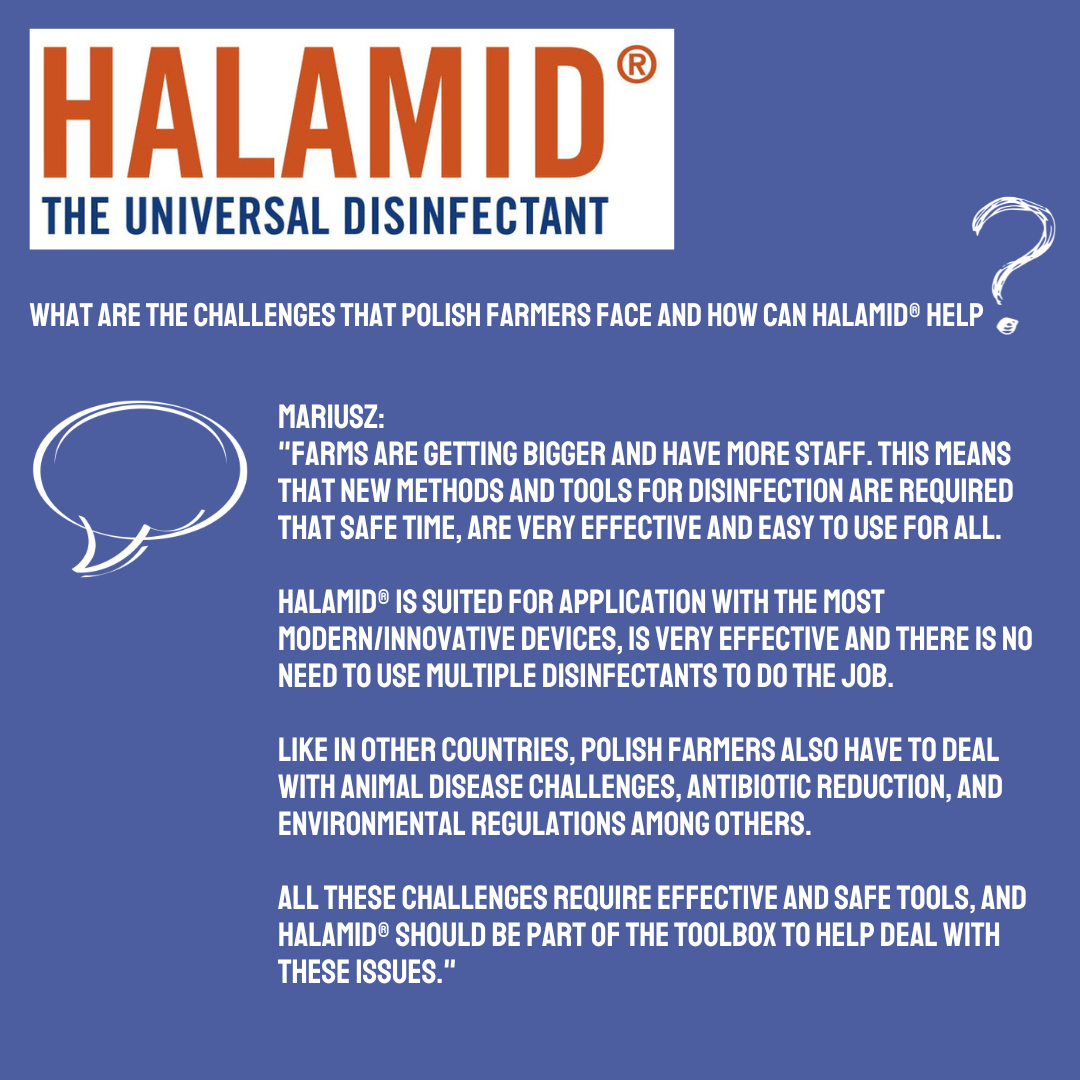
Halamid®: Let’s talk with Mariusz Ziolkowski from Labvet

How to choose the right disinfection product?
When choosing a disinfectant for your farm, you want pathogens killed, but not end up with corrosion of equipment or safety issues for workers. Not all products can live up to this promise. The different efficacies stem from different mode of actions.
There are many disinfections on the market, based on different modes of action. Roughly we can divide the disinfections in oxidative and non-oxidative products. The word ‘oxidative’ means that pathogens are inactivated through oxidation of their proteins and cells (the cell structure). With a broken cell structure, the pathogen can no longer do harm. Non-oxidative disinfectants have a different way to disable pathogens. This means that pathogens are not always completely killed but rather reduced to an acceptable level.
Examples of common oxidative products are:
- Halamid®
- Peroxides
- Peroxygen-persulfate types
- Peroxide-peracetic acid
- Chlorine-based disinfectants
Examples of common non-oxidative products are:
- Quats (quaternary ammonium compounds)
- Aldehydes (e.g. formalin)
- Phenolics
- Acid anionics
- Biguanides
Total performance is a mix of characteristics
The division of oxidative and non-oxidative solutions doesn’t mean that the products within one group act the same, as there are still differences in the mode of action, and hence performance. While the level of performance is mostly measured by the level of pathogen destruction, stability, and the number of different pathogens it can destroy, the level of corrosivity and efficacy under soiled conditions are also important performance indicators to consider. We should not underestimate the damage (corrosion) than can occur to metal surfaces when using some disinfectant and the level of soil, dust, and manure (‘soiling’) on farms that can hinder the performance of a disinfectant used. In addition, odour, biodegradability, and the risk to develop resistance should also be considered when choosing the right product.
Some disadvantages from non-oxidative products include:
- Quats are affected by organic soil and that they tend to cling to surfaces (may lead to tainting). They also have a low biodegradability, poor efficacy against Gram bacteria and (naked) viruses, and there is change that pathogens develop resistance.
- Aldehydes are known to be toxic and carniogen and have a pungent odour. Also products in the phenolics group have a strong odour – and in addition – have shown poor/moderate efficacy versus (naked) viruses and some bacteria and poor degradibility.
- Acid anionics have antimicrobial activity against Gram-negative and Gram-positive bacteria, but they are less effective against bacterial spores and viruses.
Also in the oxidative group, differences regarding these performance indicators are seen, even when they share the same mechanism of oxidation. How well a product performs in the end is therefore a mix of characteristics.
Corrosion and soiling
Halamid® is an oxidative disinfectant and has been specifically developed to be powerful and mild at the same time. Its mode of action is based on an irreversible destruction of the envelope and cell material of microorganisms. This oxidizing action ensures that microorganisms are effectively killed and do not have a chance to develop resistance.
Halamid® eradicates all major pathogens in one application round, while being safe for animals, humans, and the environment. It has been registered and approved worldwide.
Besides its efficacy for eradication of several pathogens, trials have shown that Halamid® has a range of advantages over other oxidative and non-oxidative products, including:- No corrosion: Compared to a permonosulfate based product, Halamid® showed no corrosion for 6 metals tested, showed by weight loss measurements and visual images. Corrosion was seen in 4 out of 6 metals in the permonosulfate based product group.
- Active in present of dirt: Compared to hypochlorite and peroxides / peroxygen formulations Halamid® showed to be less affected by soil. Being more chemically stable, Halamid® migrates further through a layer of soil, still active and able to destroy pathogens, without changing the dosage.
Conclusion
Different disinfectants have different benefits and drawbacks in different situations of usage. This makes it complicated to choose and get the most money for the bug, as not all specifications on paper may be fulfilled under practical conditions. Farmers who are using older buildings, or those who have concerns about thorough dirt removal prior to disinfection, should bear in mind that that these relative ‘dirty conditions’ affect the performance of a disinfectant. Halamid® is a broad-spectrum solution that saves time and ensures that pathogens are killed effectively, in all conditions in a safe way
Disinfection : Important part of an active disease prevention strategy on farms
While we cannot rule out animal diseases completely in pigs and poultry, we have effective tools to prevent and control pathogens. Cleaning and disinfection are the cornerstone of this approach to effectively prevent disease outbreaks and spreading.
Animal diseases have far-reaching consequences: from an animal welfare perspective to production losses and costs of culling and replacement. We have experienced this with the highly pathogenic avian influenza (HPAI) and African Swine Fever (ASF). The outbreaks have (and are) causing an economic nightmare for farmers around the globe.
In the Netherlands alone, the 2003 outbreak of HPAI led to the destruction of around 30 million birds and direct economic costs estimated at more than €150 million. Following the 2003-2004 outbreaks of highly pathogenic H5N1 bird flu, the total losses in GDP because of damage to the poultry sector in Asia amounted to almost €8 billion (1). The year 2021 was marked one of the worst “bird flu years” ever, and over 47.7 million animals have been culled on European farms (2). In swine, the ASF outbreaks in 2018 and 2019 generated a substantial economic loss. In China, home to half of the world’s pig population, the outbreaks lead to the death and culling of 40% of its pig population and a loss of around €108.6 billion, amounting to 0.78% of China’s gross domestic product (GDP) in 2019 (3,4).
Disinfection: cornerstone of biosecurity package
Poultry and pig farms can’t always recover financially from major viral disease outbreaks such as bird flu, as there are no effective vaccines yet on the market. But pig and poultry farmers are also dealing with a range of bacterial diseases, caused by Salmonella, E. coli, Enterobacteria, Lawsonia intracellularis or Campylobacter. In addition, disease may not always be apparent especially in the early stages and there are many ways disease can be introduced and spread. That makes it especially important to focus on prevention strategies to keep viruses and bacteria out through proper biosecurity measures that are applied at all times.
Biosecurity measures include: having a proper animal health plan in place, all-in all-out systems, routine vaccination and veterinary checks, keeping farm access routes, parking areas, yards, feeding and storage areas clean and tidy and controlling pests on the farm among others. The use of a farm disinfectant is part of the set of biosecurity measures and is common practice in agriculture. It helps to bring the total bacterial and viral load in the pig and poultry house down to a safe level by killing or deactivating of the pathogens, on the farm itself, the facilities, or the clothing items worn by workers.
Powerful and easy: The Halamid® wayThere are different approaches to cleaning and disinfection. It is in the farmer’s interest that this process is as safe, quick, simple, and effective as possible. Farmers don’t want several containers of different products (dangerous chemicals) on the shelf that should be used for different risk areas on the farm. Halamid® takes a different approach and has been specifically developed to be powerful and mild at the same time. It eradicates all major pathogens in one application round, while being safe for animals, humans, and the environment. It has been registered and approved worldwide.
For poultry:
Halamid® eradicates all major poultry pathogens such as Salmonella, Avian Influenza, Campylobacter, Newcastle Disease or Gumboro at 0.5% (1:200). Its unique formula allows for a great variety of applications such as terminal disinfection by wet spraying, misting or (thermo) fogging, aerial disinfection, water system sanitation, wheel and foot dip, vehicle, or egg disinfection. Read more in the technical bulletin here.
For pigs:
Halamid® eradicates major pig pathogens such as Salmonella, E. coli, Enterobacteria, Lawsonia intracellularis, Porcine parvovirus, Reovirus, South African pest virus, Swine fever virus, Teschen virus or Vesicular swine disease virus. Its unique formula allows for a great variety of applications such as disinfection by wet spraying, misting or (thermo) fogging, aerial disinfection, water system sanitation, wheel and foot dip, vehicle disinfection. Read more in the technical bulletin here.
Every decision a farmer makes has an impact
The pig and poultry sector are competitive sectors, dealing with a lot of challenges regarding production costs and disease outbreaks. So, every decision a farmer makes has to be an effective one. This is especially true for the biosecurity measures taken, including cleaning and disinfection protocols. When done properly and the application of Halamid®, pathogens level can be kept below safe limits, helping farmers control diseases, keep antibiotic use (and AMR spread) down, keep the quality and performance of the animals at the desired levels and reduce production costs. In addition, because Halamid® covers all major pathogens and only one application round is needed, the product is more efficient from a time and dosage perspective.
Don’t let pathogens spoil the profitability of your livestock operation. Get in touch to learn more about how Halamid® can help your business move forward.
References:
- Avian Influenza on the horizon: the wolf in the hen house – WTW (wtwco.com)
2. Nearly 48 million animals culled in Europe’s ‘largest ever’ bird flu epidemic | Euronews
3. A seven-gene-deleted African swine fever virus is safe and effective as a live attenuated vaccine in pigs – PubMed (nih.gov)
4. African swine fever outbreaks in China led to gross domestic product and economic losses | Nature Food
- Avian Influenza on the horizon: the wolf in the hen house – WTW (wtwco.com)
Contact us
Ready to explore partnership opportunities?
Discover how our 190 years of chemical expertise and unique product portfolio can support your business growth.