
Halamid
As experts in unique chemistry, we have developed a diverse portfolio of technologies designed to meet the evolving needs of our customers across multiple markets. Our innovative solutions are built on deep scientific expertise and a commitment to performance, quality, and sustainability.
We serve four main markets:
Disinfection: Biosecurity solutions ensuring the highest hygiene standards wherever protection is required.
Smart Coatings: Advanced nanotechnologies and sol-gel systems that help customers overcome key challenges and create surfaces with enhanced functionalities.
Additives: A comprehensive range of REACH-registered sulfonamides widely used in the cosmetics and laminates industries.
Fine Chemicals: High-quality raw materials primarily serving the pharmaceutical sector.
Titre H2
Bandeau de valorisation de chiffres clés ou informations importantes
Additives
 Halamid1 February 2026
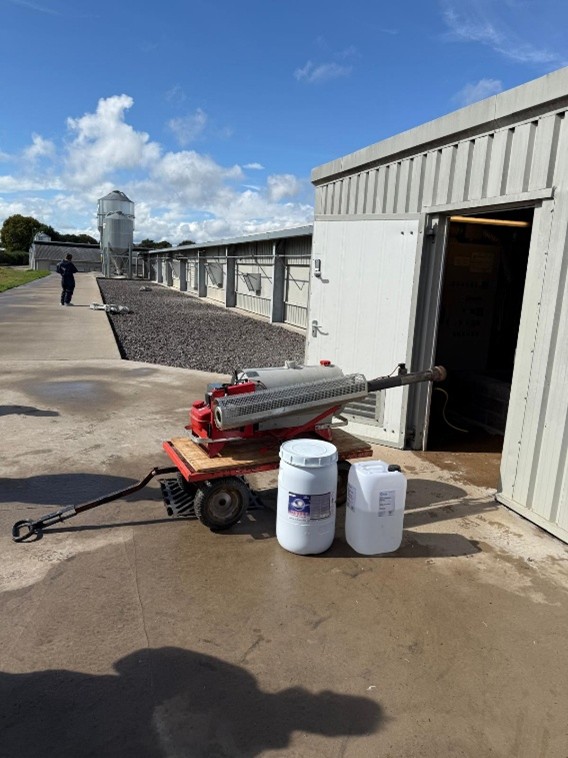
Thermal fogging: Forcing the disinfecto to reach every crack
Cleaning and disinfecting poultry houses is no longer a case of “the more product, the better.” Instead, the…
Quality & regulatory

Smart coating
Our highly specialized team focuses on nanotechnology to protect and functionalize surfaces such as glass, metal, plastics, and mineral substrates. Nanotechnology-based coating materials enable the development of smart coatings that impart specific functionalities across multiple sectors, including Automotive, Aviation, Architecture, Glass Care, OEM, and Yacht Care.

PTSA
Photovoltaic Self-Cleaning Lorem ipsum dolor sit amet, consetetur sadipscing elitr, sed diam nonumy eirmod tempor invidunt ut labore et dolore magna aliquyam erat, sed diam voluptua. At vero eos et accusam et justo duo dolores et ea rebum. Stet clita kasd gubergren, no sea takimata sanctus est Lorem ipsum dolor sit amet. Lorem ipsum dolor sit amet, consetetur sadipscing elitr, sed diam nonumy eirmod tempor invidunt ut labore et dolore magna aliquyam erat, sed diam voluptua.
PTSAcid
Photovoltaic Self-Cleaning Lorem ipsum dolor sit amet, consetetur sadipscing elitr, sed diam nonumy eirmod tempor invidunt ut labore et dolore magna aliquyam erat, sed diam voluptua. At vero eos et accusam et justo duo dolores et ea rebum. Stet clita kasd gubergren, no sea takimata sanctus est Lorem ipsum dolor sit amet. Lorem ipsum dolor sit amet, consetetur sadipscing elitr, sed diam nonumy eirmod tempor invidunt ut labore et dolore magna aliquyam erat, sed diam voluptua.
PTSC
Photovoltaic Self-Cleaning Lorem ipsum dolor sit amet, consetetur sadipscing elitr, sed diam nonumy eirmod tempor invidunt ut labore et dolore magna aliquyam erat, sed diam voluptua. At vero eos et accusam et justo duo dolores et ea rebum. Stet clita kasd gubergren, no sea takimata sanctus est Lorem ipsum dolor sit amet. Lorem ipsum dolor sit amet, consetetur sadipscing elitr, sed diam nonumy eirmod tempor invidunt ut labore et dolore magna aliquyam erat, sed diam voluptua.
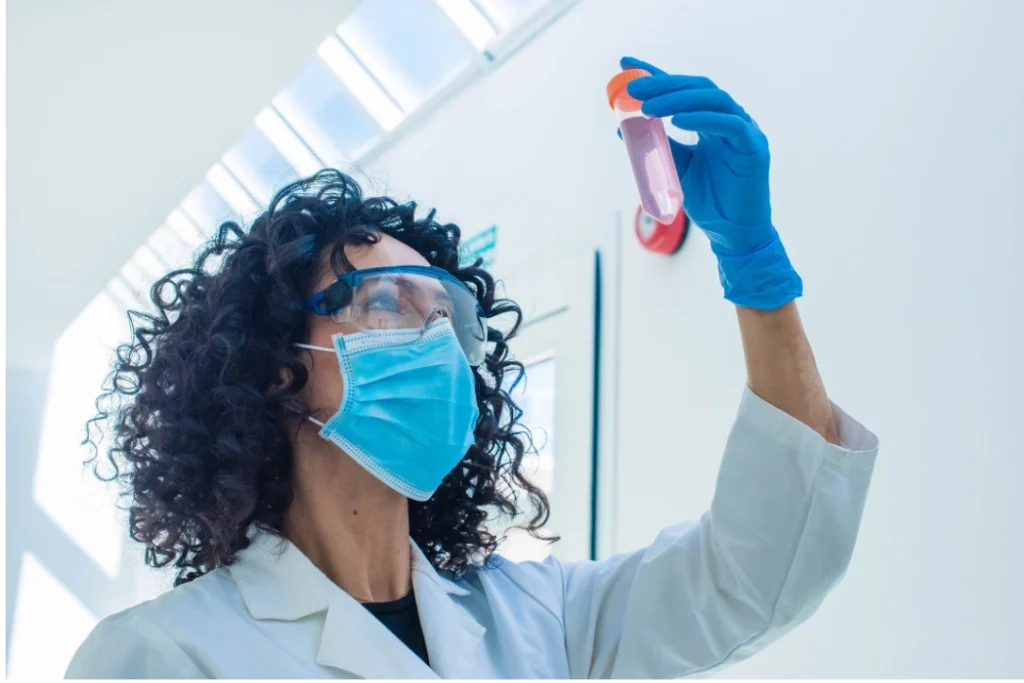
Disinfection
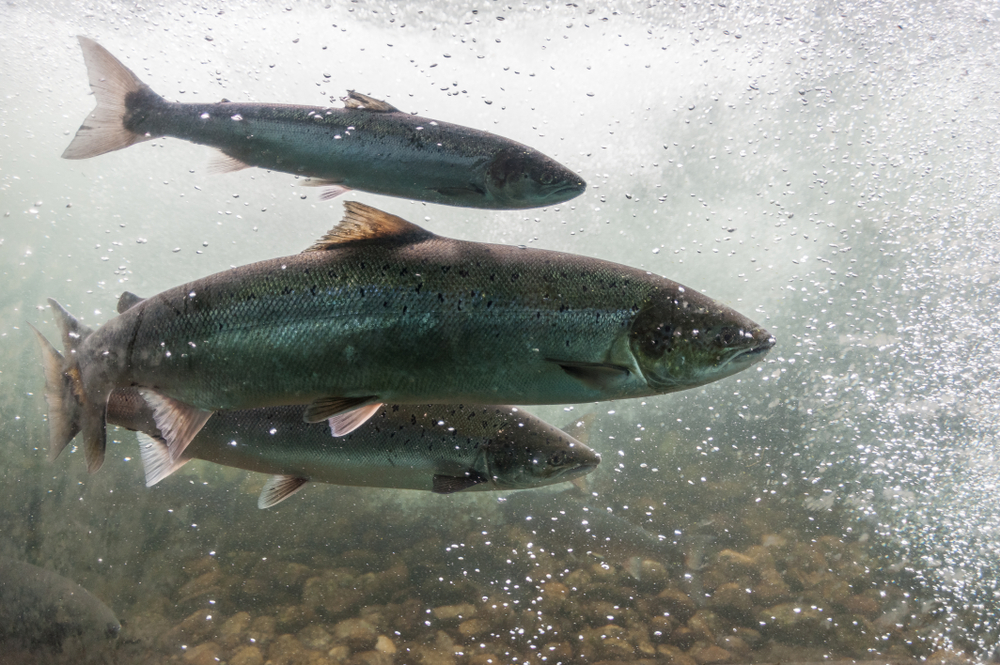
Aquaculture
Halamid® has been a trusted and effective disinfectant in aquaculture for many years, valued for its proven efficacy and low toxicity to fish, shrimp, and aquatic environments. It is suitable for use in saltwater, brackish, and freshwater conditions.
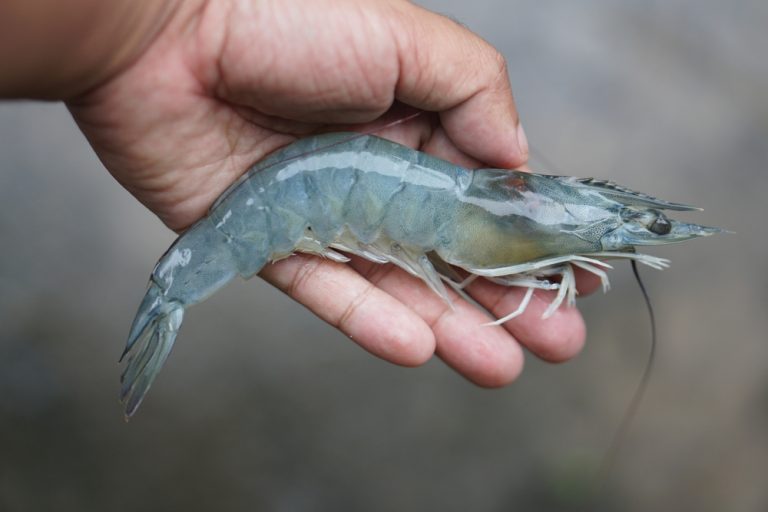
Shrimp Farming
In shrimp ponds and culture systems, HALAMID® is applied directly to the water for both routine hygiene management and disease outbreak control. It is effective against major shrimp pathogens such as Vibrio species, White Spot Syndrome Virus, and other bacterial and viral challenges.

Poultry
Biosecurity is key in farms and veterinary hygiene, all along the ‘farm to fork’ chain and starts by effective disinfection. Halamid® has been developed from the starting point of a strong killing effect and by greatly improving aspects such as stability is solution, corrosiveness and safety compared to more hazardous products.

Livestock
Halamid® is proven powerful yet mild disinfectant ideally suited to be used by poultry farmers in broiler houses, hatcheries and layer farms. Halamid® is notified under the EU BPR regulation and UK DEFRA approved among many other registrations around the world.

Healthcare & Industry
Halamid® is a broad-spectrum disinfectant effective against all major microorganisms. Widely used in food processing, drinking water systems, hospitals, and industrial facilities, it combines strong antimicrobial performance with excellent material compatibility. Easy to dissolve in water and gentle on surfaces, metals, and plastics, Halamid® meets the highest hygiene standards across diverse applications.
Everything you need to know about Axcentive
Thermal fogging: Forcing the disinfecto to reach every crack
- February 2026
Cleaning and disinfecting poultry houses is no longer a case of “the more product, the better.” Instead, the focus has shifted to tailored biosecurity and cleaning programmes designed for each individual shed or house. One increasingly important component of these customized strategies is the use of thermal fogging with the right product.
Poultry diseases have wide-ranging consequences, affecting everything from animal welfare to the costs of culling and flock replacement. Highly pathogenic avian influenza (HPAI) continues to spread across many regions of the world, while bacterial threats such as Salmonella, E. coli, Enterobacteria, and Campylobacter remain persistent challenges. Complicating matters further, disease is not always visible, especially in its early stages, and can enter and spread through multiple pathways. This makes prevention critical. Robust biosecurity measures, including thorough cleaning and disinfection, are essential to keeping viruses and bacteria out of poultry farms.
Know the pathogen load before disinfection
Over the years, cleaning methodologies have not only become more widely recognised and applied, but also more precise and targeted. Dave Oram, Field Services Technician at St David’s Poultry Team, an independent veterinary practice in the UK and Ireland, explains: “When our veterinarians detect issues on a farm, such as changes in feed intake, feed efficiency, or mortality rates, we begin testing to identify the pathogen and assess the viral load. Based on those results, we then select the most appropriate products for cleaning.”
Dave notes that this focused, data-driven approach was not always the norm. “In the past, we often used disinfectants at levels higher than necessary, essentially applying the maximum rates across the entire farm. But it’s no longer a case of ‘more is better.’ Today, we have a deeper understanding of pathogen loads and epidemiology, along with improved measurement tools. This allows us to choose the right strategy and use correct amounts of product, making the process far more cost-effective.”
Forcing the disinfect to reach every crack
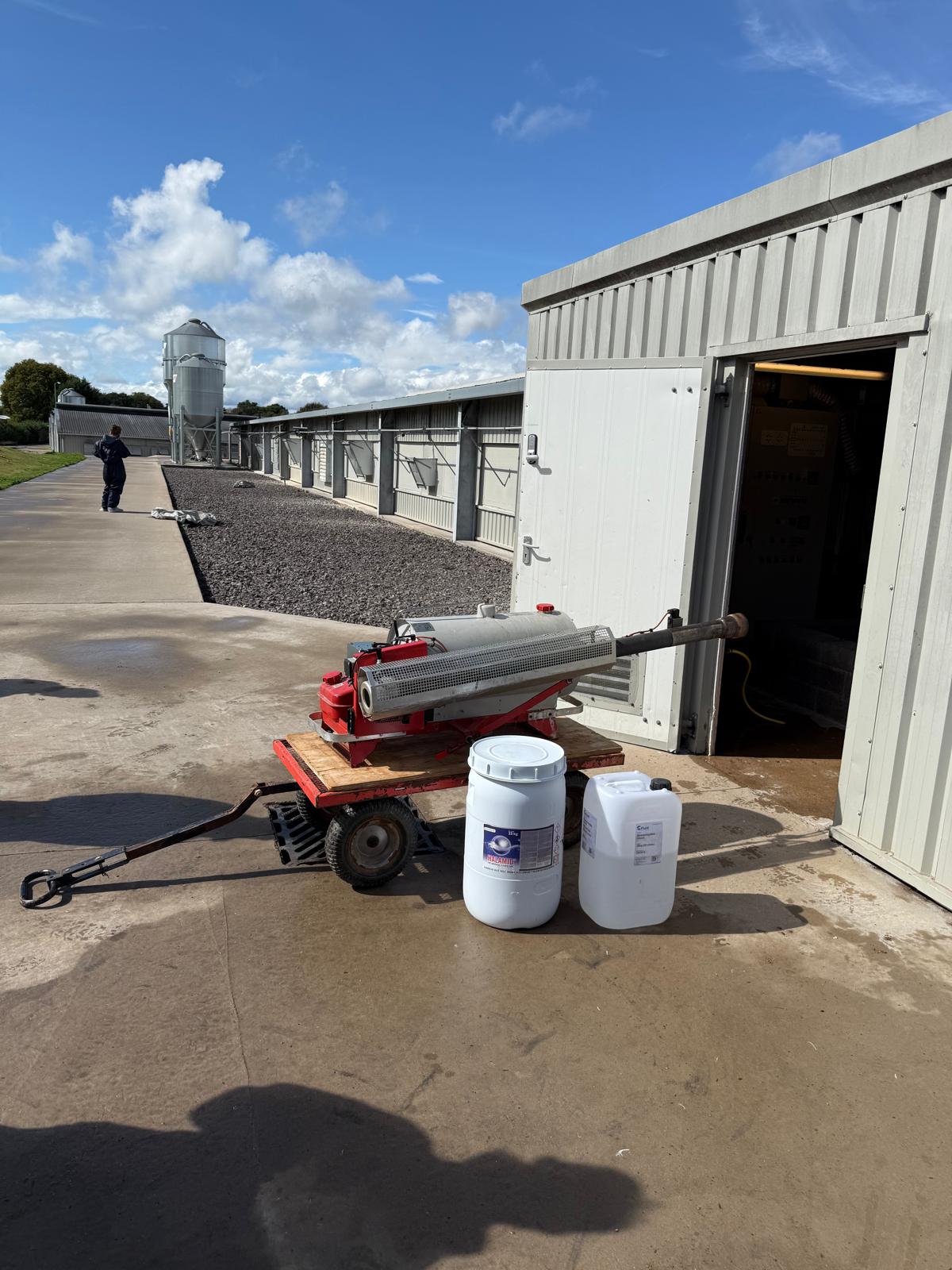
Before disinfection can begin, dust, organic matter, residue and biofilm, must be thoroughly removed from feeders, drinkers, and all other surfaces. This is done by washing. Detergent is then applied. After the recommended dwell time, the detergent is washed off. After this secondary washing, a visual assessment is made to determine that a thorough clean has been carried out and there is no visual traces of organic matter remaining. Dave explains: “As the final step of the protocol, we apply thermal fogging. We do this once all equipment and bedding have been returned to the barn. Thermal fogging produces ultra-fine droplets (between 1 and 50 μm) that create dense, visible fog clouds when released into the barn air. It is not the same as cold fogging or misting. Thermal fogging relies on heat to keep the fog suspended in the air. The great advantage is that it drives the disinfectant into every crack in the walls, and even into areas through and under the roof.”
Proper preparation of the sheds is essential when using thermal fogging. Dave advises: “Measure your shed and calculate the amount of fogging solution required. Check that the water is clean before mixing the solution and ensure all mixing equipment is clean. Prepare your products, wear full PPE and a mask when mixing, close all ventilation and turn off all the fans. The mixed solution is then poured into the reservoir of the thermal fogging machine, and the process can begin. Always have hot water available. After thermal fogging is completed, the birds are placed in the shed the following day. After 6 to 7 days, we test the pathogen load again to confirm the cleaning and disinfection protocol worked effectively.”
Choosing a disinfect that is safe and effective
The cleaning and disinfection protocol, and the choice of products, can make or break a farm’s biosecurity strategy. St David’s Poultry Team, along with many farms worldwide, has chosen Halamid® for disinfecting poultry operations. Developed by Axcentive, Halamid® is a versatile, readily biodegradable biocide that is safe for humans, animals, and the environment. Its popularity continues to rise, especially as the use of formaldehyde becomes increasingly restricted in the EU and UK. Halamid® is even safe enough to apply over feed during thermal fogging, an advantage when starter feed has already been placed on paper in the sheds before a new batch of chicks arrives. As Oram explains: “I don’t know of another product that has been successfully used over feed. After trying this, we saw no loss of appetite in the chicks.”
Halamid® effectively eliminates a wide range of pathogens which includes: Salmonella, Avian Influenza, Campylobacter, Newcastle Disease, and Gumboro, at a concentration of 0.5% (1:200) or thermal fogging with a 10% concentration, in accordance with European standards. Its unique formulation supports a wide range of uses, such as terminal disinfection by wet spraying, misting, or thermal fogging; aerial disinfection; water system sanitation; wheel and foot dips; and vehicle or egg disinfection. Dave notes that thermal fogging with Halamid® enhances the overall efficacy of the cleaning protocol by adding a secondary stage of disinfection. It also saves significant time: thermal fogging can be completed the night before chick placement, with only ventilation needed the following morning.

Thermofogging demo held during the 1st Halamid® Conference in September 2025
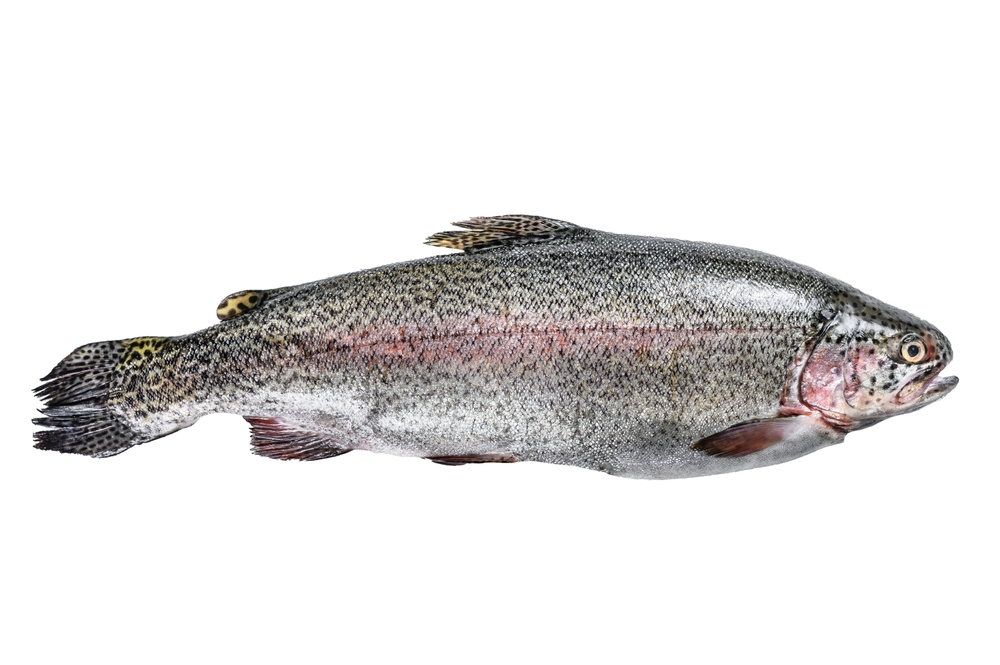
Revolutionizing Aquaculture Disinfection: Chloramine T (Halamid®) delivers superior efficiency, safety, and sustainability for rainbow trout egg treatment
A groundbreaking study published in the Journal of Genetic Engineering and Biotechnology unveils a simplified, one-step disinfection technique for non-hardened rainbow trout eggs using Chloramine T (Halamid®). This innovative approach offers significant advantages over traditional methods, setting a new standard for aquaculture hygiene, operational efficiency, and environmental stewardship.
Key Advantages of Chloramine T (Halamid®):
- Superior Disinfection Performance
- Dosage: 100 mg/L Chloramine T in 0.75% NaCl solution for 40 minutes.
- Achieves the highest reduction in bacterial load, outperforming both peroxide (Wofasteril®) and traditional iodophore (Buffodine®) treatments.
- Maintains effectiveness throughout embryonic development, reducing pathogen risk and supporting fish health.
- Streamlined One-Step Protocol
- Eggs can be fertilized and disinfected simultaneously in a single solution, eliminating the need for complex, time-sensitive two-step procedures.
- Reduces handling errors and boosts efficiency, especially in large-scale fish farming operations.
- Safe for Fish Health
- No negative impact on sperm motility, embryo viability, or larval development at recommended concentrations.
- Maintains robust microbiome stability, supporting long-term fish health and resilience against pathogens.
- Environmentally Responsible
- Used at much lower concentrations than traditional disinfectants.
- Rapidly degrades in water, leaving no harmful residues—an ideal solution as regulatory scrutiny increases on older biocides.
- Practical and Cost-Effective
- Simplifies workflow, saving time and resources for hatcheries and farms.
- Offers a reliable alternative should iodophore products face future regulatory restrictions.
Industry Impact
The adoption of Chloramine T (Halamid®) as a one-step disinfectant marks a major leap forward for sustainable aquaculture. By combining operational simplicity, proven efficacy, and environmental compatibility, Halamid® empowers producers to safeguard fish health and productivity while meeting evolving regulatory and ecological standards.
About Halamid®:
Halamid® (Chloramine T) is a trusted disinfectant widely used in aquaculture and veterinary applications. Its proven safety profile and rapid biodegradability make it the preferred choice for modern fish farming.
This press release is based on the article: “A simplified, one step technique for disinfection of non-hardened rainbow trout eggs with tosylchloramide (Chloramine T) and peroxide (Wofasteril) compounds and the effects on bacterial load and microbiome composition in comparison to iodophore disinfection.” Published July 2025.
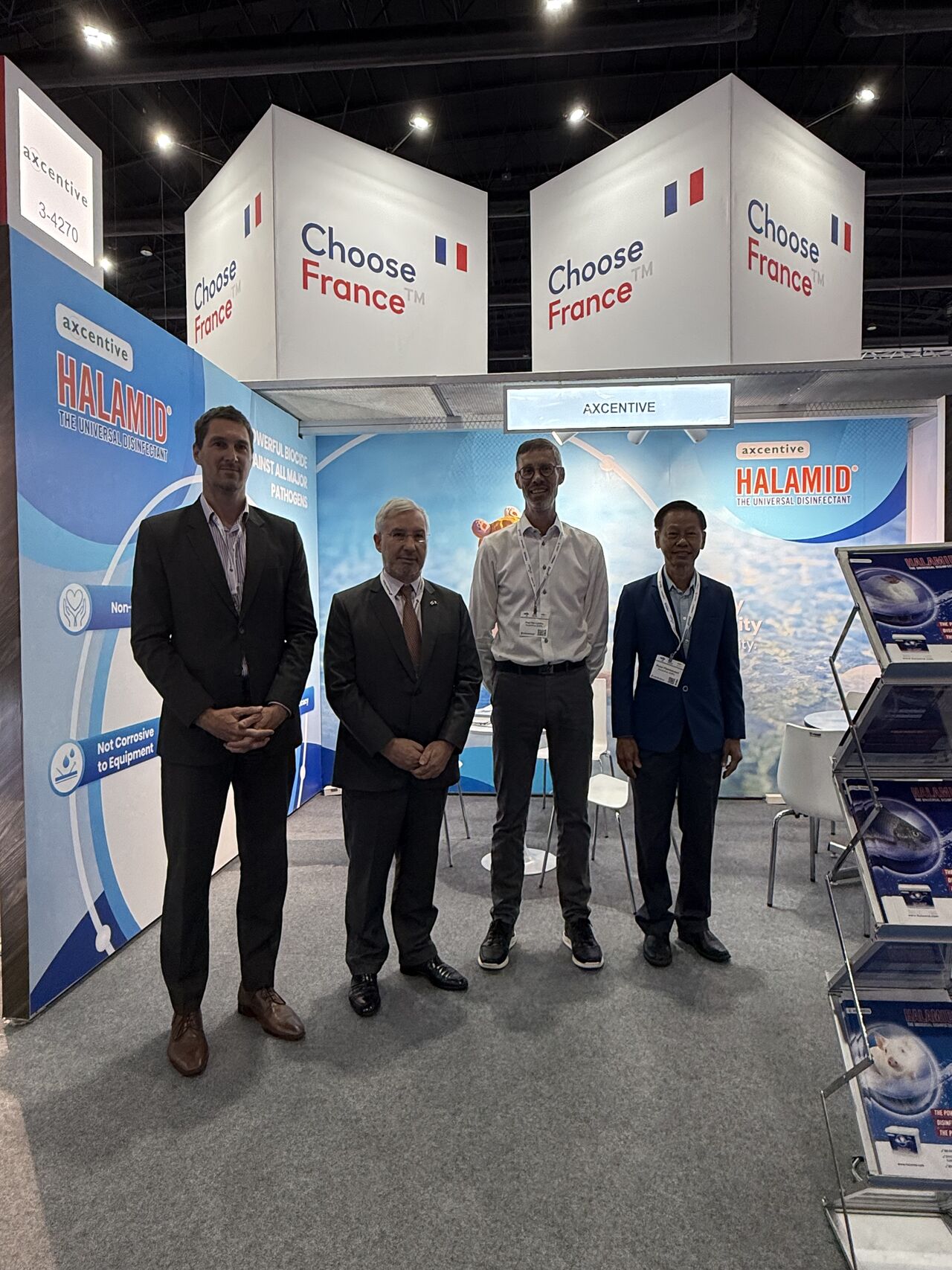
Halamid® was at VIV Asia 2025
Last week, Axcentive Group exhibited at VIV Asia 2025 in Bangkok.
This show is the leading international trade fair for animal protein production. It was a great occasion for us to connect with industry leaders, partners, and professionals who are shaping the future of biosecurity and animal health.
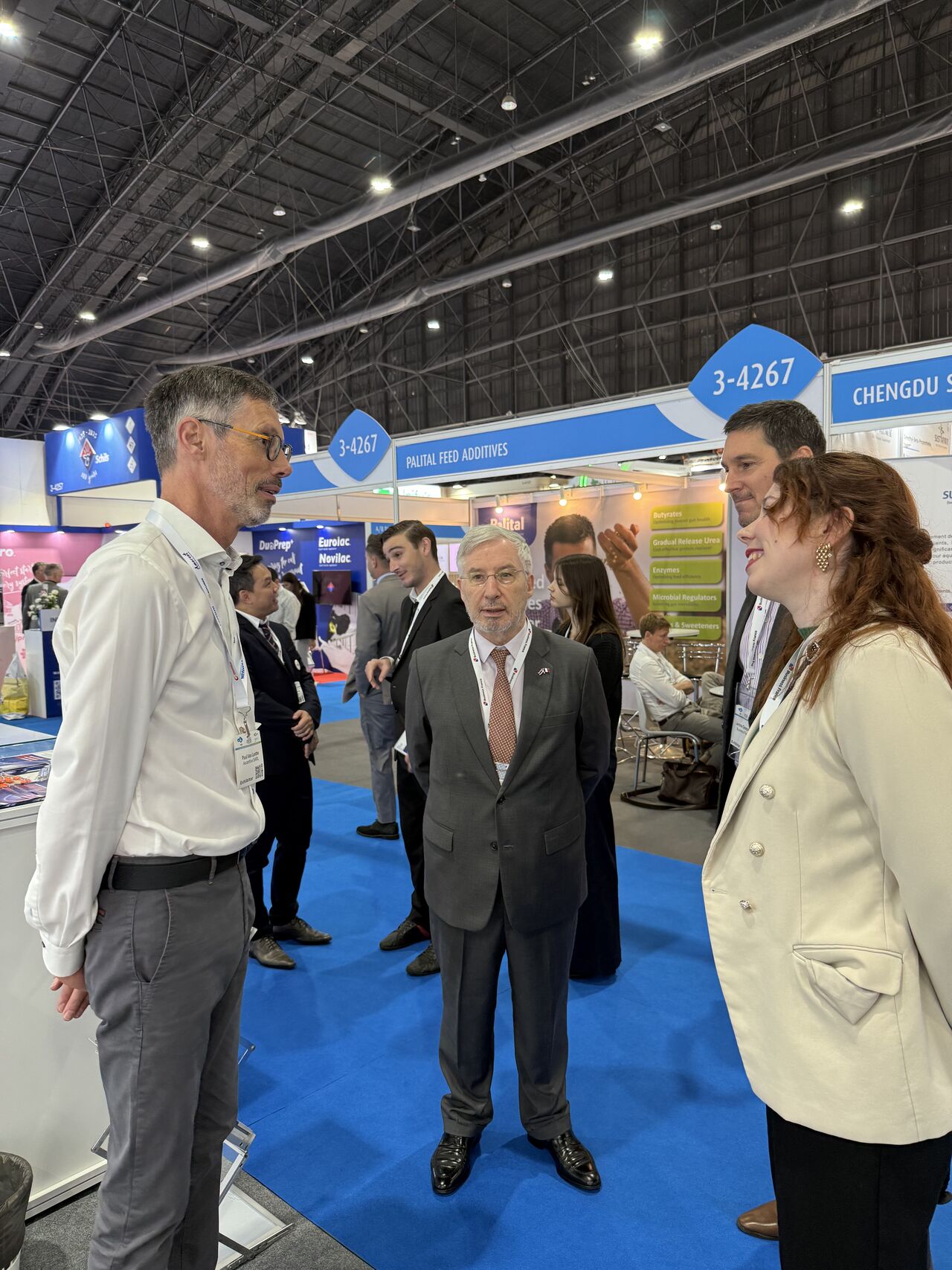
We were proud to welcome on our booth M. Poimboeuf, the French Ambassador to Thailand. His visit underscores the importance of innovation and sustainability in biosecurity. we were honored to showcase how our Halamid® is leading the way to animal health and hygiene solutions.
Halamid® remains the trusted choice for farms, aquaculture, and food processing industries worldwide.


Newcastle Disease detected in Poland: Biosecurity remains key
Recently, Newcastle Disease (NCD) has been reported in Poland, the first case since the summer of 2023. This new outbreak once again highlights the importance of good biosecurity and prevention, next to vaccination.
Newcastle disease (NCD) is a disease of major importance for poultry and other birds. It is caused by specified viruses of the avian paramyxovirus type (APMV-I) of the family Paramyxoviridae. The infection is spread via direct contact with secretions, especially faeces, from infected birds or indirect contact through contaminated feed, water, equipment, vehicles, humans, fomites etc.
NCD reported in Poland
Because of its importance, NCD is a notifiable disease, according to Council Directive 82/894/EEC on the notification of animal diseases within the EU. On September 30, 2024, it was reported that this disease was confirmed in a poultry flock in Mońki, Poland. The situation was reported upon discovery that 18,300 birds in a flock of 51,900 birds had died. The remaining 33,600 birds in the flock have been depopulated.
Other control measures applied include zoning, surveillance within the restricted zone, movement control, disinfection, traceability and official destruction of animal products, according to a news release by Watt Poultry. This is Poland’s first case of Newcastle disease since the summer of 2023, when four flocks were affected.

Biosecurity and vaccination
Despite vaccination – being in most cases mandatory for commercial farms – backyard farms may hold and spread this highly infectious disease back to commercial flock. This increases the viral pressure and poses a challenge to the birds’ health. A proper vaccination protocol can give the required protection but should always be backed by biosecurity measures to facilitate a solid immune response to the vaccine. Immunity issues with other bacterial or viral challenges at the same time of the NCD vaccination are problematic and may hinder the formation of antibodies by the immune system and thus the build-up of protection against NCD.
Outside the body, shedding of vaccine may lead to dissemination of the virus to other flocks/animals. A disinfectant with particularly strong killing effect towards viruses is required under these circumstances. This is also the case when the disease has been detected on the farm. Every area on and around the farm that has had NCD must be cleaned and disinfected.
Disinfection: The Halamid® way
Most quat-based products are out of the question for this type of critical applications where a strong killing effect against viruses is required. Halamid® is different and has been specifically developed to be powerful and mild at the same time. It eradicates all major pathogens in one application round, while being safe for animals, humans and the environment. It has been registered and approved worldwide.Halamid® has proven for decades to be very effective in eradicating the NCD virus (example: UK DEFRA 1:150). To be used without moderation (at the recommended dilution rates) by both commercial farms and particularly the increasing number of small backyard farms. Its unique formula allows for a great variety of applications such as terminal disinfection by wet spraying, misting or (thermo) fogging, aerial disinfection, water system sanitation, wheel and foot dip, vehicle or egg disinfection.
Czech veterinary magazine writes about Halamid®’s role for fish health
In a recent issue of the Czech veterinary magazine ‘veterinářství’, the authors discuss the benefits of HalamidⓇ in aquaculture, now being the sole Chloramine T product available in the Czech Republic.
The article was written by Dr Jitka Kolářová from the faculty of fisheries and protection of waters, University of South Bohemia in české budějovice, Czech Republic and Dr Leona Nepejchalová from the institute for state control of veterinary biologicals and medicines in Brno, Czech Republic.
The authors write: “As part of solving health problems in fish farming in the Czech Republic (CZ), off-label treatment with the biocidal product Chloramine T is often used as the first choice before antibiotic treatment is indicated. Historically, the use of Chloramine T (supplied by Schulke CZ) in RAS systems in the CZ have always been successful to treat and control bacteria outbreaks. However, this product will be discontinued for sales in CZ, making HalamidⓇ (consisting of 100% Chloramine T, and produced by Axcentive) now the preferred treatment fully registered and available for CZ fish farmers.”
Tolerance testing in fish
To demonstrate that HalamidⓇ is effective and a good (or even better) replacement, the authors shared the results of the tolerance testing they did to compare Chloramine-T from Schullke CZ (product A) with HalamidⓇ from Axcentive (product B). The tests were done under laboratory conditions on aquarium fish Brachydanio rerio (used for acute toxicity tests according to OECD standards).
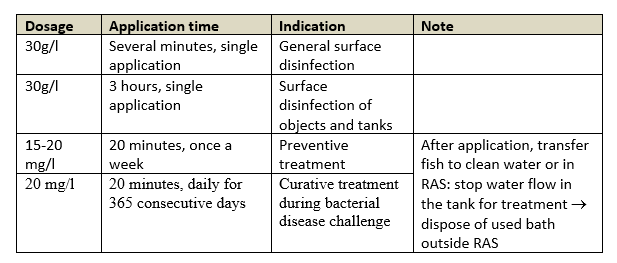
Two separate tanks were treated for 3 consecutive days with either product A or product B at a dose of 20 mg/l for 20 minutes with subsequent transfer to clean water.
Table 1 – Dosage of product A and product B in the tolerance tests.

Considered a safe replacement
The tolerance test results were the similar for both preparations (A and B) with no fish mortality and no changes in the behaviour of the treated fish. Further semi-operational testing of product B (HalamidⓇ) in RAS with stocks of zander (Sander lucioperca) and perch (Perca fluviatilis) was conducted at a dose of 20 mg/l for 20 minutes with subsequent discharge of the bath outside the RAS. The application was performed once a day for 3 consecutive days and repeated 3 times. This showed that HalamidⓇ can be recommended for practice as a safe replacement for product A, given the identical composition of both preparations and the same efficacy can be expected.
About HalamidⓇ
HalamidⓇ is built on many years of expertise and regarded as an essential and reliable product for aquaculture. Its unique formula is designed to be powerful against diseases, yet safe to fish, shrimp and aquatic environments. HalamidⓇ is therefore the biocide of choice in the prevention of Bacterial Gill diseases, Columnaris and many other diseases that are caused by external bacteria, viruses and fungi. It can be used in salt, brackish, and freshwater environments.
Halamid® effective against severe ectoparasites in Brazilian farmed fish
Halamid® is an effective way to control important ectoparasites in farmed arapaima fish, as shown by independent research in Brazil. The results have been published in the journal Veterinary Parasitology.
Arapaima gigas (arapaima) is one of the largest freshwater fish and can grow up to four meters and weigh up to 200kg. Catches in the wild have been declining substantially and fish farming is gradually being developed in the Brazilian and Colombian Amazon to alleviate this. However, these intensive farming systems are confronted with Trichodinids, problematic ectoparasites that mainly parasitize the skin, fins and gills. These ectoparasites have significant negative effects on the production of primarily young forms of arapaima, as they are more vulnerable than older fish due to underdeveloped protective barriers.


How to stop Avian Influenza viruses from further spreading ?
Highly pathogenic avian influenza (HPAI) has been keeping Europe in its grip for years. Vaccination shows promise, but not all countries are engaged to do so yet. In the meantime, monitoring and biosecurity are the most effective ways to keep control over this epidemic. Halamid® has been shown to be one of the most efficacious disinfectants against AI viruses
Avian Influenza (AI) is a major viral disease and divided into two categories: low-pathogenicity and high-pathogenicity avian influenza (LPAI and HPAI, respectively). The AI virus is able to show rapid genetic change by recombining with other influenza viruses to form different viral subtypes. LPAI is found worldwide, predominantly in wild free-ranging waterfowl near wetlands and other aquatic environments. These birds are typically asymptomatic and carry the virus year-round.
Dealing with year-round reservoir
Because of wild bird migration, the poultry sector has always considered AI a ‘seasonal problem’ in Europe. But over the last few years, the disease turned into a true – year-round – problem, due to changes in wild bird distribution. The bird flu season seems to be getting longer and more intense. While it is unlikely for wild birds to develop HPAI from LPAI, transmission of an LPAI strain (particularly an H5 or H7 subtype) to poultry may incite evolution into HPAI. In addition, the virus (and associated mutations) can turn into new variations that pose risk to both livestock and humans.
Extra need for prevention and control
On European and member state level, all suspected cases of HPAI in poultry or captive birds must be investigated and reported. When a farm gets infected with HPAI, stamping-out measures and movement restrictions must be taken. At farm level, appropriate measures to prevent the direct or indirect contact of poultry with wild birds, together with preventive hygiene measures such as cleaning and disinfection are crucial. But are we doing enough? 2022-2023 is considered the most severe HPAI epidemic season ever in the EU, with the highest number of outbreaks in wild birds and poultry. This emerging threat calls for even better prevention, more intensive control, and novel measures such as vaccination.
Vaccination works, but has slow uptake
Vaccination may be used as an emergency or preventive measure, in addition to already implemented standard measures (e.g. surveillance programmes and biosecurity measures). Currently, there is one authorised vaccine against HPAI in chickens in the EU. France is the first EU country to vaccinate commercial birds and launched a nationwide bird flu vaccination campaign in October 2023. Since then, a couple of countries have slowly followed suit. Veterinary authorities in Germany are planning to put vaccination into practice as well. In the Netherlands, authorities are still waiting for the results from a field trial in layers with two different HPAI vaccines (to be expected to hit the market in 2025). Italy and Hungary are active in field testing of vaccine candidates in turkeys and geese respectively. In 2021, the Czech Republic used an emergency vaccination plan in several flocks of their traditional ‘Czech geese’.

A disinfectant that is safe and powerful
Vaccination reduces circulation of the virus, and it is great to see that an increasing number of countries are introducing vaccination programmes. But it does not prevent new infections from occurring. This is why biosecurity measures remain critical at all times and are still the most effective way to prevent the introduction and spread of AI viruses within and between farms. Furthermore, if vaccination is implemented, it will require a reinforced surveillance protocol for vaccinated farms, so that those animals that are nevertheless infected may be identified and culled as quickly as possible. Poultry farmers have been using disinfectants, in all forms, for many years already. But not all products are equivalent in performance and safety. Halamid® is a universal biocide, readily biodegradable, safe for humans, animals, and the environment. It is built on many years of expertise and works via an irreversible destruction of the envelope and cell material of microorganisms. The product is already widely used in the poultry sector.
Low concentration, high reduction of virus
Halamid® has been shown to be one of the most efficacious disinfectants against AI viruses, as it is powerful and with significantly higher endurance than other types of disinfectants such as peroxygens, phenols and QAC-aldehyde blends. This is proven by government laboratories. Independent testing by the respected Clinic for Birds, Reptiles, Amphibia & Fish at the University of Giessen, Germany, showed that even 0.1% concentration of Halamid® is able to reduce the AI virus (H7N1) load by more than 6 log10 (99.9999%). This was tested at low and high levels of organic soiling, and at lower temperatures (10°C) as well as standard (room) temperatures. Tests with the H1N5 variant showed similar results at a concentration of 0.2% of Halamid®.
Different application methods of Halamid®
Halamid® is effective against different types of AI viruses and can be applied to eggs, to any surface or object and can be used as water disinfectant (Table 1). Even the animal skin and feet can be treated without any adverse effects, while still offering superior elimination of the virus.
Table 1 – Different application methods of Halamid.
If you like to know more about Halamid and how it can help in your AI control programme, please get in touch with us.


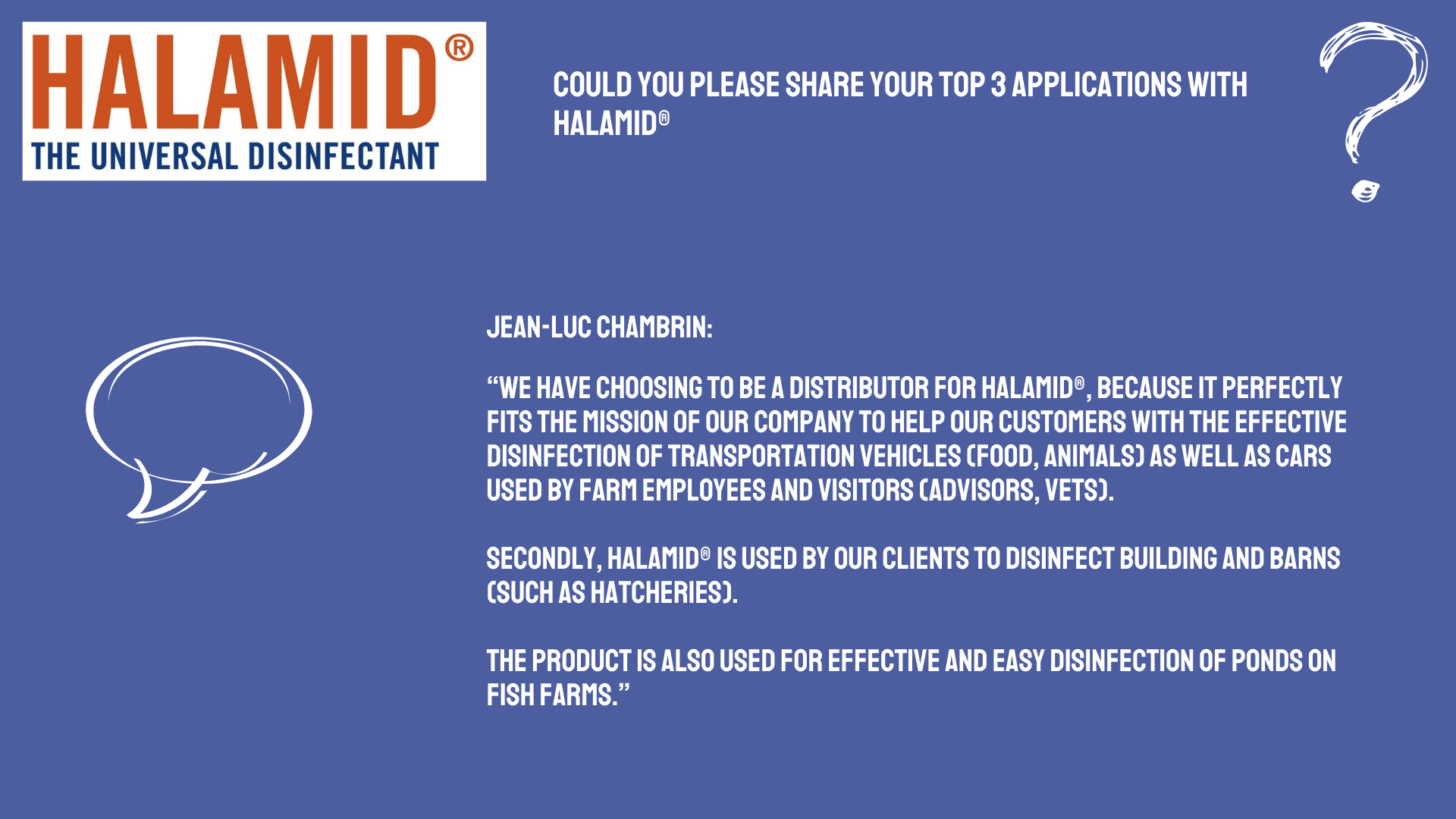
Halamid®: Let’s talk with Jean-Luc Chambrin from Synthèse élevage




Halamid®: Safe and effective in the prevention of Legionella outbreaks
Unfortunately, Legionella outbreaks are regular in Europe. The recent deadly outbreak in Poland highlights once more that effective and constant sanitation of water networks are crucial. Halamid®is an effective and safe disinfectant, capable of eradicating Legionella bacteria at very low dosage levels.
Legionellosis is a disease of the respiratory tract. It is infectious but not contagious. It is caused by Legionella bacteria, which are found in water and multiply at temperatures between 20 and 50 degrees Celsius. People can get very sick or even die from it when they inhale contaminated water droplets. The disease was first identified in 1976 in the US during a meeting of the US American Legion (the year that the disease got its name: Legion > Legionella). In 1999, the Netherlands was hit by one of the biggest global outbreaks since the one in the US. The Dutch outbreak killed 32 people and left 206 people severely ill.
A more recent (large) outbreak took place in the southeastern Polish city of Rzeszów. The outbreak started mid-August and killed 16 people so far and hospitalized at least 155 according to the latest reports. Local authorities have treated the city’s water supply network with chlorine, UV rays and ozone in an attempt to wipe out the infection. The source of the infection is still being investigated.
Number of outbreaks increasing
While outbreaks are regular around the world, the latest epidemiolocal data from the European Centre for Disease Prevention and Control, shows that the number of Legionella outbreaks is worryingly increasing in Europe. In the year 2021 (the latest data available), the most outbreaks were reported so far, with 4 countries (Italy, France, Spain, and Germany) accounting for 75% of all the notified cases.
It is argued that the sweltering temperatures in Europe this summer, part of a continentwide heat wave, is increasing the risk for Legionella outbreaks. Factors that may also explain increased outbreaks include changes in national testing policies and surveillance systems, an ageing EU/EEA population, and the design, infrastructure, and maintenance of water systems used in buildings.

Need for effective and safe solutions
The increase in Legionella outbreaks spurs the urgency and importance to have effective and safe disinfection solutions for water systems, both as a preventive measure as well as for use during emergency outbreaks. Often, hypochlorite is the first choice to clean and disinfect water systems. However, these products suffer from fast breakdown are corrosive and harmful to the operator using them. But there are more products on the market today, that are just as effective, but are more biodegradable, safe, and less corrosive.
Halamid® is a biocide and a reliable and fast disinfectant (oxidiser) used to combat Legionella outbreaks. This reliable product is effective, readily biodegradable, safe, noncorrosive materials and equipment. The mode of action is based on an irreversible destruction of the envelope and cell material of microorganisms. This oxidising action ensures that microorganisms are effectively killed and do not have a chance to develop resistance. It eradicates all major pathogens in one application round, while being safe for animals, humans, and the environment.
Efficacy shown in independent tests
The killing activity of Halamid® versus Legionella pneumophila has been tested according to the CEN test for the food area. The active concentration of 25ppm of Halamid® already successfully reduced Legionella bacterial load by log 5 within 5 minutes. Arno Schut, Innovation Manager at Axcentive explains: “The control of Legionella by Halamid® is guaranteed, already at low addition rates of under 100ppm. Halamid® is a broad-spectrum disinfectant used for water sanitization in farms around the globe. For many, it is the preferred disinfectant as it is effective, safe, and noncorrosive. Moreover, it has a prolonged activity and is not affected by soil, which can sometimes be present in the water. We are confident to claim that our product is more sustainable and environmentally friendly than many competitor materials.”
Halamid® ticks all these boxes and meets the European guidelines for effective Legionella control. A dosage of 100 ppm solution is effective with a contact time of 24 hours, and a 400-ppm solution is effective within 1 hour. The high inclusion rate of Halamid® is recommended for curative measures (during outbreaks). “Legionella is a serious public health issue, and again on the radar with the latest outbreak in Poland. With our products we want to contribute to healthy animals, humans, and environment,” Schut concludes.

Halamid®: Let’s talk with Jason Montgomery from Syndel



Contact us
Ready to explore partnership opportunities?
Discover how our 190 years of chemical expertise and unique product portfolio can support your business growth.