EXOCOAT® News
EXOCOAT®
As experts in unique chemistry, we have developed a diverse portfolio of technologies designed to meet the evolving needs of our customers across multiple markets. Our innovative solutions are built on deep scientific expertise and a commitment to performance, quality, and sustainability.
We serve four main markets:
Disinfection: Biosecurity solutions ensuring the highest hygiene standards wherever protection is required.
Smart Coatings: Advanced nanotechnologies and sol-gel systems that help customers overcome key challenges and create surfaces with enhanced functionalities.
Additives: A comprehensive range of REACH-registered sulfonamides widely used in the cosmetics and laminates industries.
Fine Chemicals: High-quality raw materials primarily serving the pharmaceutical sector.
Titre H2
Bandeau de valorisation de chiffres clés ou informations importantes
50+
countries to access for global supply
190
years of chemical expertise
100%
REACH compliance rating
Top 1%
EcoVadis sustainability
Additives
 EXOCOAT® News15 September 2026
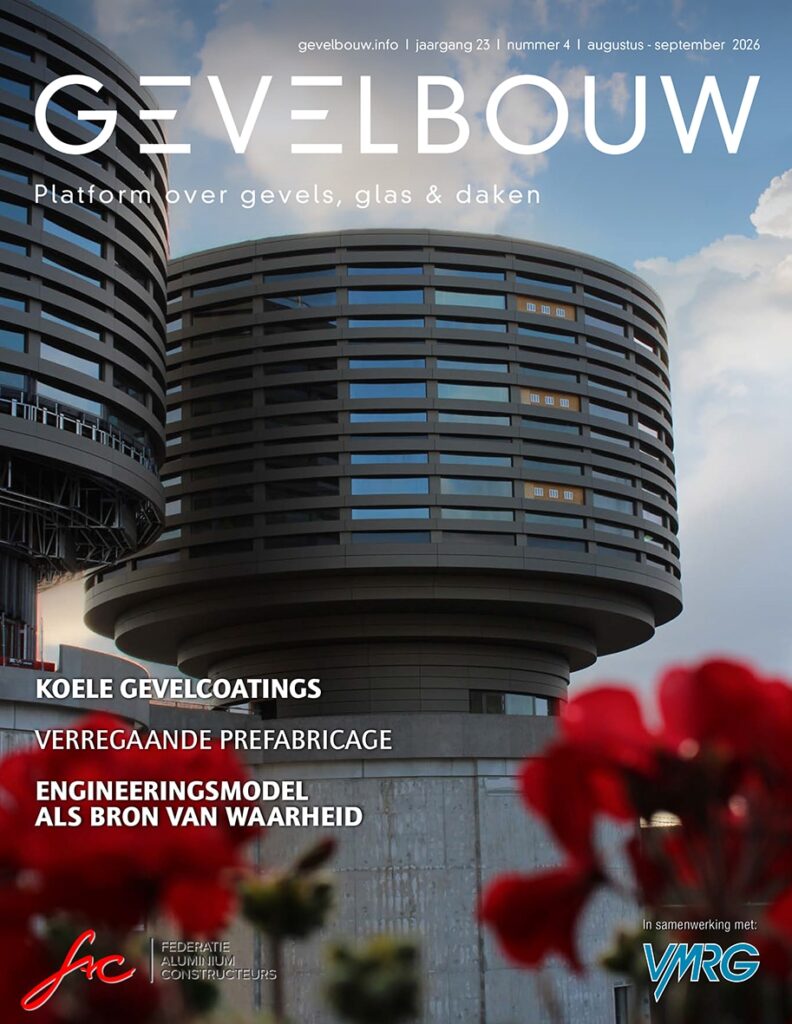
Gevelbouw Highlights EXOCOAT® Ceramic+ for Durable Surface Protection
EXOCOAT® Ceramic+ is featured in the Dutch trade magazine Gevelbouw as a high-performance protective treatment for anodized aluminium…
Quality & regulatory

Smart coating
Our highly specialized team focuses on nanotechnology to protect and functionalize surfaces such as glass, metal, plastics, and mineral substrates. Nanotechnology-based coating materials enable the development of smart coatings that impart specific functionalities across multiple sectors, including Automotive, Aviation, Architecture, Glass Care, OEM, and Yacht Care.

PTSA
Photovoltaic Self-Cleaning Lorem ipsum dolor sit amet, consetetur sadipscing elitr, sed diam nonumy eirmod tempor invidunt ut labore et dolore magna aliquyam erat, sed diam voluptua. At vero eos et accusam et justo duo dolores et ea rebum. Stet clita kasd gubergren, no sea takimata sanctus est Lorem ipsum dolor sit amet. Lorem ipsum dolor sit amet, consetetur sadipscing elitr, sed diam nonumy eirmod tempor invidunt ut labore et dolore magna aliquyam erat, sed diam voluptua.
PTSAcid
Photovoltaic Self-Cleaning Lorem ipsum dolor sit amet, consetetur sadipscing elitr, sed diam nonumy eirmod tempor invidunt ut labore et dolore magna aliquyam erat, sed diam voluptua. At vero eos et accusam et justo duo dolores et ea rebum. Stet clita kasd gubergren, no sea takimata sanctus est Lorem ipsum dolor sit amet. Lorem ipsum dolor sit amet, consetetur sadipscing elitr, sed diam nonumy eirmod tempor invidunt ut labore et dolore magna aliquyam erat, sed diam voluptua.
PTSC
Photovoltaic Self-Cleaning Lorem ipsum dolor sit amet, consetetur sadipscing elitr, sed diam nonumy eirmod tempor invidunt ut labore et dolore magna aliquyam erat, sed diam voluptua. At vero eos et accusam et justo duo dolores et ea rebum. Stet clita kasd gubergren, no sea takimata sanctus est Lorem ipsum dolor sit amet. Lorem ipsum dolor sit amet, consetetur sadipscing elitr, sed diam nonumy eirmod tempor invidunt ut labore et dolore magna aliquyam erat, sed diam voluptua.
Disinfection
Aquaculture
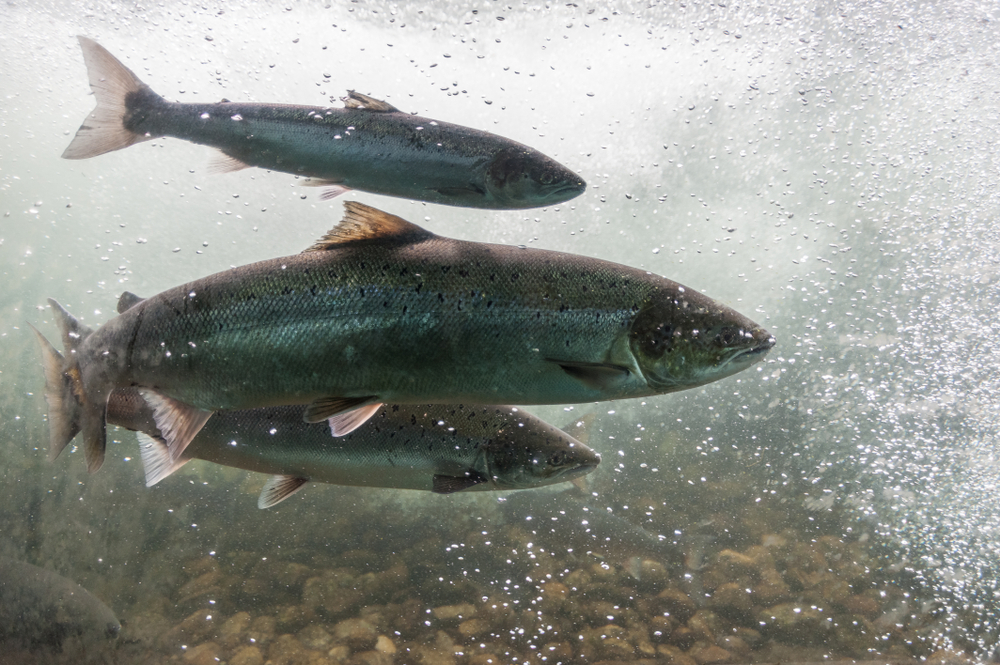
Halamid® has been a trusted and effective disinfectant in aquaculture for many years, valued for its proven efficacy and low toxicity to fish, shrimp, and aquatic environments. It is suitable for use in saltwater, brackish, and freshwater conditions.
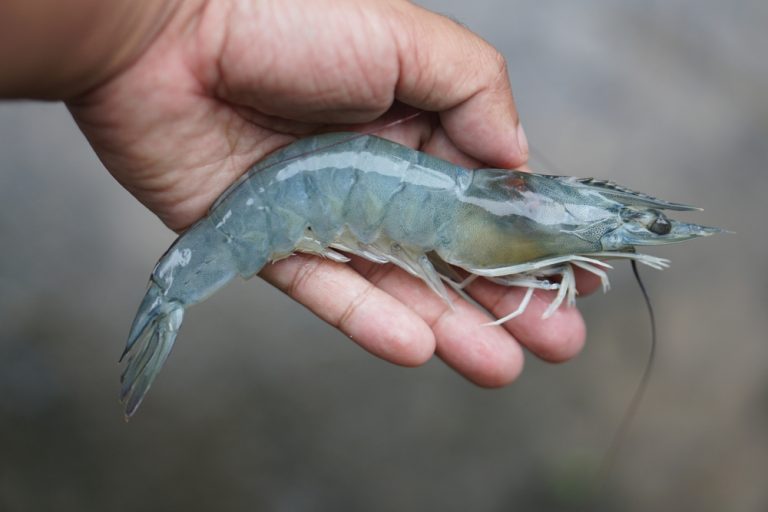
Shrimp Farming
In shrimp ponds and culture systems, HALAMID® is applied directly to the water for both routine hygiene management and disease outbreak control. It is effective against major shrimp pathogens such as Vibrio species, White Spot Syndrome Virus, and other bacterial and viral challenges.

Poultry
Biosecurity is key in farms and veterinary hygiene, all along the ‘farm to fork’ chain and starts by effective disinfection. Halamid® has been developed from the starting point of a strong killing effect and by greatly improving aspects such as stability is solution, corrosiveness and safety compared to more hazardous products.
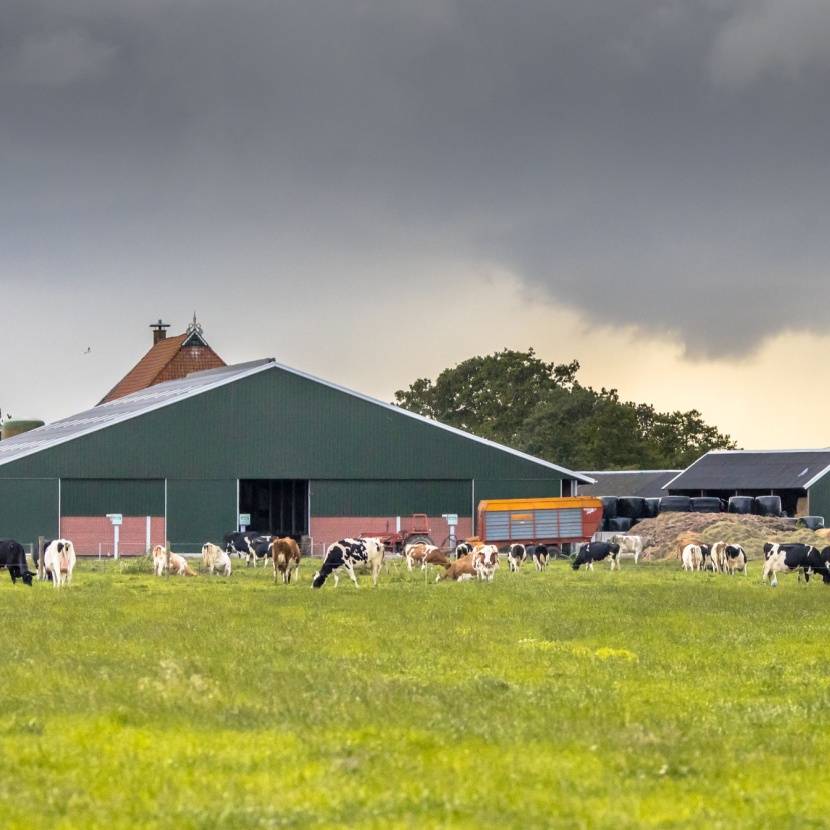
Livestock
Halamid® is proven powerful yet mild disinfectant ideally suited to be used by poultry farmers in broiler houses, hatcheries and layer farms. Halamid® is notified under the EU BPR regulation and UK DEFRA approved among many other registrations around the world.

Healthcare & Industry
Halamid® is a broad-spectrum disinfectant effective against all major microorganisms. Widely used in food processing, drinking water systems, hospitals, and industrial facilities, it combines strong antimicrobial performance with excellent material compatibility. Easy to dissolve in water and gentle on surfaces, metals, and plastics, Halamid® meets the highest hygiene standards across diverse applications.
Everything you need to know about Axcentive
Gevelbouw Highlights EXOCOAT® Ceramic+ for Durable Surface Protection
EXOCOAT® Ceramic+ is featured in the Dutch trade magazine Gevelbouw as a high-performance protective treatment for anodized aluminium and other substrates. Designed for demanding environments, it enhances the durability of anodized surfaces while making them easier to maintain.
Gevelbouw is an independent trade magazine and online platform covering façade construction, glass, roofing, insulation, and surface technologies in the Netherlands and Flanders.
Read the full article in Dutch on page 82 of the magazine: https://www.yumpu.com/nl/embed/view/SUCpF6fME1mhtc0O
Protection against bird-dropping attack on automotive paint and marine surfaces
Why this matters: bird droppings expose surfaces to concentrated uric acid, salts, biological residues and heat-induced stress. EXOCOAT® Ceramic+ is designed as a thin, hard ceramic-organic layer that helps protect automotive clear coats, yacht paint and gelcoat from this aggressive combination while preserving gloss and easy-clean behaviour.
Chemical attack
Birds excrete nitrogen waste mainly as uric acid. On automotive clear coats, marine topcoats or gelcoat, the white urate fraction can create a concentrated acidic micro-environment. Under sunlight the residue dries and intensifies the local attack.
Uric acid + heat is the critical risk combinationSurface damage
The damage is both chemical and physical. Heat can soften the upper coating layer while the dried deposit contracts on the surface. This can leave dull etching, staining or a visible ghost mark after cleaning.
Relevant for cars, yachts and coated surfacesCeramic barrier
EXOCOAT® Ceramic+ forms a thin ceramic-organic film on top of the substrate. The protective layer reduces direct contact between acidic contamination and the underlying finish, supporting cleaning and gloss retention
Hard, dense, easy-to-clean ceramic protection
Scientifically tested resistance
Axcentive evaluated the EXOCOAT® Ceramic+ technology platform in an automotive coating qualification programme that included chemical resistance testing with uric acid and a bird-dropping resemblance test. The research demonstrated outperforming behaviour versus two leading premium ceramic coating reference systems in the relevant resistance evaluation.
Automotive and marine relevance
The scope is broader than yacht care: automotive paintwork, marine topcoats and gelcoat surfaces can all suffer from uric-acid-driven etching when bird droppings remain on the surface.
Bird droppings remain one of the most aggressive everyday contaminants for premium coated surfaces. EXOCOAT® Ceramic+ provides a scientifically tested ceramic protection layer for automotive paint and marine surfaces, helping preserve gloss, appearance and cleanability under demanding real-world exposure.

Sol-gel organometallic chemistry: a truly remarkable and versatile platform technology for EXOCOAT®
Sol-gel chemistry is a highly versatile platform within the EXOCOAT® R&D programs at Axcentive. It enables the design of hybrid organic-inorganic coatings with tunable hardness, flexibility and adhesion. In EXOCOAT® developments, liquid sol-gel precursors are transformed into dense ceramic-like networks, enabling durable, easy-to-clean and chemically resistant surfaces. By selecting different precursors, coatings can be adapted to glass, metal, plastic, ceramic or composite substrates. This is the technology relevant for protective, decorative and functional surface applications.
For marine and yacht applications, our pre-ceramic technology contributes to gloss retention, stain resistance and surface protection. The inorganic network improves scratch resistance and abrasion resistance without making the coating overly brittle. Organic modification makes it possible to tune wetting, hydrophobicity, oleophobicity and compatibility with polymeric binders. These materials can also be used as adhesion promoters between different material classes as for instance as primers in anticorrosion paint systems.
Sol-gel chemistry also allows incorporation of functional additives such as nanoparticles, pigments or flame-retardant groups. As a result, EXOCOAT® programs can address multiple markets from consumer surfaces to industrial protection. Technology is especially attractive where thin-layer performance, transparency and durability are required together.
For Axcentive, innovation and R&D are the route to create differentiated EXOCOAT® solutions.


Ceramic Coating for Anodized Aluminum: EXOCOAT® Ceramic+ Protection Solution
Anodized aluminum is widely selected for architectural and industrial applications because it combines a high-quality metallic appearance with strong durability, corrosion resistance and color stability.
The anodic layer is not a paint layer on top of the aluminum; it is an oxide layer grown from the aluminum surface itself. This is one of the reasons why anodizing is valued in façade construction, design, transport and demanding industrial environments.
In practice, however, some environments place additional stress on the surface. Coastal areas with salt deposition, industrial locations with airborne pollutants, aggressive cleaning procedures, concrete run-off and long exposure to moisture can all influence the visual appearance and long-term cleanliness of anodized aluminum. In these situations, an additional protective treatment can be valuable, especially when the aesthetic appearance of the surface is critical.
In collaboration with Alucol, a Dutch specialist in aluminum anodization, Axcentive has developed EXOCOAT® Ceramic+ as an additional protective treatment for anodized aluminum and other substrates. The objective is not to replace anodizing, but to enhance the performance of the anodized surface in demanding environments and to make the surface easier to maintain.
Why additional protection may be useful?
Anodizing creates a hard, inorganic aluminum oxide layer. This layer is mechanically robust and strongly connected to the aluminum substrate. Nevertheless, the anodized surface remains a technical surface that can be affected by external contamination and project-specific exposure conditions. Especially in architectural applications, the visual standard is often very high and small changes in gloss, color depth or staining can become visible over time.
Typical risk factors include:
- Salt exposure in coastal regions, especially where moisture, wind and limited natural rinsing are combined.
- Industrial pollution, fine dust and deposits that can adhere to the surface and become more difficult to remove over time.
- Concrete residue, cement water or acidic cleaning agents that may attack the surface when they remain in contact too long.
- Incorrect or overly aggressive façade cleaning procedures.
- Design details that hold water or dirt, such as horizontal surfaces, sheltered zones or areas with limited rain washing.
EXOCOAT® Ceramic+ is positioned as an additional barrier and repellence layer. It helps reduce adhesion of water, oil, dirt and certain contaminants. This supports longer-lasting appearance and easier cleaning, while retaining the metallic character of the anodized aluminum surface.
What is EXOCOAT® Ceramic+?
EXOCOAT® Ceramic+ is a pre-ceramic coating designed to form a very thin, ceramic-like protective layer after application. During curing, which can take place at room temperature, the coating adheres strongly to the anodized aluminum surface and forms a durable protective layer. The resulting layer is transparent and only approximately one micron thick when applied at the recommended consumption rate.
Because the layer is very thin, it does not turn the surface into a painted or lacquered product. The appearance of the anodized aluminum remains visible, while the surface receives additional protection against moisture, contamination and chemical influence. This makes the technology particularly interesting for high-quality façades, marine-related applications and industrial components where appearance and cleanability are important.
Functional principle
The protective effect is based on a combination of surface bonding, low surface energy and chemical resistance. After curing, the layer provides a dense and repellent surface. Water and oil have less tendency to wet the surface, marker ink shows reduced adhesion, and contaminants are less likely to bond strongly to the anodized layer. This does not mean that the surface becomes maintenance-free, but it can significantly improve cleanability and reduce the risk of permanent staining.
Main performance contribution
Function Practical effect Commercial value Water and oil repellence Less wetting and lower dirt adhesion. Easier cleaning and improved long-term appearance. Chemical resistance Reduced risk from specific acidic or aggressive contaminants. More security in critical construction and industrial environments. UV stability Protection designed for exterior exposure. Suitable for façade and outdoor applications. Thin transparent layer Anodized character remains visible. Keeps the metallic and architectural appearance. Surface rejuvenation Faded surfaces may regain visual depth after cleaning and treatment. Interesting for maintenance and renovation projects. Practical case: coastal façade exposure
The need for additional protection became clear during a challenging façade project near the Dutch coast. The building was exposed to severe salt conditions, which increased the risk of staining and fading of the anodized surface. After evaluation, EXOCOAT® Ceramic+ was applied following a careful cleaning procedure. The treated façade maintained a strong visual appearance during the follow-up period.
This practical experience is important because it shows the value of the technology under real exterior conditions. Laboratory testing is useful, but outdoor exposure, changing weather, salt deposition and cleaning intervals are ultimately decisive for architectural applications. Based on the available project experience, EXOCOAT® Ceramic+ offers a relevant additional protection route for demanding façade locations.

Outdoor weathering trial at Alucol. The test setup allows visual comparison under real weather conditions.
Technical properties and validation
EXOCOAT® Ceramic+ has been tested by Axcentive and external partners. Based on the available test data and practical observations, the following properties are relevant for anodized aluminum applications:
- Hardness: 8-9H in pencil hardness testing, indicating a hard and scratch-resistant surface layer.
- UV resistance: tested using Xenon Arc exposure according to ISO 16474-2.
- Corrosion resistance: tested using salt spray exposure according to ISO 9227.
- Repellent behavior: marker ink shows poor adhesion, demonstrating an anti-graffiti and easy-clean effect.
- Chemical resistance: designed to reduce damage from acidic contaminants such as concrete residue or muriatic-acid-containing water.
- Low layer thickness: approximately one micron at recommended application rate, preserving the anodized surface appearance.
The test results should always be assessed in relation to the actual project conditions. Exposure, cleaning method, alloy, anodizing quality, sealing quality and the level of contamination all influence the final performance. For high-risk projects, Alucol recommends defining the expected surface requirements, cleaning regime and acceptance criteria in advance.
Chemical protection against concrete residue
Concrete residue, cement water and acidic run-off can be a serious risk for anodized aluminum. When aggressive residues remain on the surface, they can locally affect the oxide layer and create visible damage. On construction sites this risk is often underestimated, because the damage may only become clearly visible after drying, cleaning or a period of exposure.
Post-treatment with EXOCOAT® Ceramic+ can significantly reduce the risk of chemical attack by creating an additional protective barrier. This does not remove the need for correct site handling and timely cleaning. It does, however, provide an extra level of protection in projects where façade elements are exposed to concrete work, construction dirt, salt or intensive cleaning.

Example of damage caused by aggressive concrete-related run-off. Preventive protection and correct site handling are essential.
Repellence and easy-clean behavior
One of the most visible benefits of EXOCOAT® Ceramic+ is its repellent effect. Liquids have less tendency to spread over the surface and contaminants have less tendency to adhere. This supports easier cleaning and can reduce the risk that dirt, marker ink or oily contamination becomes embedded in the surface structure.
For façade owners and facility managers, this is commercially relevant. Cleaning becomes more predictable, the surface remains visually stronger for longer and the risk of costly local repair or premature replacement is reduced. The treated surface still requires normal maintenance, but the maintenance effort can become more controllable.
Surface rejuvenation
In addition to protection of new anodized aluminum, EXOCOAT® Ceramic+ can also be used to improve the appearance of existing surfaces after proper cleaning. Faded anodized aluminum may regain more depth and richness in appearance because the treated surface reflects light differently and becomes less open to contamination.
This makes the technology interesting for renovation projects, façade maintenance and situations where the anodized surface is technically still sound but visually no longer meets expectations. A test area is recommended before full-scale application, especially when the existing surface condition is uneven or heavily contaminated.
Application method
EXOCOAT® Ceramic+ can be applied with a simple applicator sponge. At the recommended application rate, only approximately 10 ml per square meter is needed to create a protective layer of around one micron. For larger surfaces, or when a thicker layer or faster application is required, spray application can also be considered.
A controlled application process is essential. The anodized surface must be clean, dry and free from residues before treatment. Any contamination that remains on the surface may be enclosed or become visible after application. For this reason, cleaning, drying, application conditions and curing time should be defined before starting a project.

Application with a sponge. The low consumption rate makes the treatment suitable for controlled project application.
Recommended project approach
- Evaluate the exposure conditions: coastal, industrial, construction site, cleaning regime and design details.
- Define whether the treatment is preventive, corrective or part of a renovation strategy.
- Clean and prepare the anodized surface carefully before application.
- Apply a representative test area and assess visual effect, repellence and acceptance.
- Document the application method, consumption, ambient conditions and curing time.
- Agree on future cleaning instructions with the façade owner or maintenance party.
Positioning and limitations
EXOCOAT® Ceramic+ should be positioned as an additional protective treatment, not as a replacement for correct anodizing, correct alloy selection, good façade design or proper maintenance. The coating cannot repair deep mechanical damage, severe corrosion, poor anodizing quality or construction errors. It also cannot guarantee that every form of staining or chemical exposure will be prevented under all circumstances.
The strongest results are achieved when the product is applied to a high-quality anodized surface, under controlled conditions and with a realistic maintenance plan. In that combination, the technology offers a strong extra level of protection and a commercially attractive way to extend the visual service life of anodized aluminum.
Environmental profile
EXOCOAT® Ceramic+ is PFAS-free. Once cured, the coating is designed for durable exterior use. The very low layer thickness and low consumption per square meter support efficient material use. By helping to preserve the appearance and cleanability of anodized aluminum, the treatment can also contribute to longer service life and reduced need for replacement or intensive corrective cleaning.
Typical applications
- Architectural façades in coastal or industrial environments.
- High-end anodized aluminum panels, profiles and design elements.
- Renovation or maintenance of existing anodized surfaces.
- Industrial components requiring improved cleanability and chemical resistance.
- Projects where concrete residue, salt deposition or aggressive cleaning may create additional risk.

Outdoor exposure test panel: coated and untreated anodized aluminum under the same conditions.
Conclusion
EXOCOAT® Ceramic+ is highly compatible with anodized aluminum and offers an additional protection route against UV exposure, salt, chemicals, pollutants and dirt adhesion. The treatment preserves the metallic character of anodized aluminum while improving repellence, cleanability and visual durability.
For Alucol, the technology provides an additional solution for projects where anodized aluminum must perform in demanding environments. It allows architects, façade builders and industrial customers to combine the aesthetics and durability of anodizing with an extra protective surface treatment when project conditions require it.
EXOCOAT® Ceramic+ is available through Alucol (www.alucol.nl) or directly at Axcentive (https://axcentive.com/technology/exocoat/)


Discover EXOCOAT® Ceramic+ Yacht and EXOCOAT® ClearView Through Technical Demonstration and Customer Experience
What is behind these videos?
Earlier this year, in February, we had the unique opportunity to capture the real-life application of our EXOCOAT® coating solutions in the yachting industry.
Thanks to the invitation of Ronald Van Prooijen from Butler Yacht Support, our Sales & Business Development Manager, Stijn Meijers, visited the Elling Yachting facilities to document the complete coating process of a yacht using EXOCOAT® Ceramic+ Yacht as well as EXOCOAT® Clearview. The objective was simple: to provide boat owners, applicators, and industry professionals with a clear and practical demonstration of how our technology is applied in the field.
Innovation and simplicity can go hand in hand
The result is a comprehensive technical video that takes viewers through every stage of the application process. From surface preparation to the final finish, each step is presented in a straightforward and easy-to-follow manner. The video highlights not only the simplicity of the application process but also the many benefits of EXOCOAT® Ceramic+ Yacht, including long-lasting protection, reduced maintenance requirements, and enhanced appearance for the boat.
We would like to extend our sincere thanks to Elling Yachting and Ronald Van Prooijen for their hospitality, availability, and active involvement in making this project possible. Their support allowed us to showcase the coating process under real operating conditions, providing valuable insights for anyone interested in learning more about our solutions.
We believe that our customers’ experiences are the ultimate measure of our success
Alongside the technical demonstration, we are also pleased to share a second video featuring an in-depth interview conducted after the coating application. This customer-oriented discussion addresses many of the questions we regularly receive about the EXOCOAT® product range. In particular, the contribution of Arno Schut, Head of Innovation at Axcentive, provides valuable technical and practical insights into the development, performance, and long-term benefits of our coatings.
Finally, we felt it was important to go beyond technical specifications and laboratory performance data by giving a voice to the end user. We are therefore especially grateful to the yacht owner, Ad van Mierlo, for sharing his honest experience and feedback following the application. His testimony offers an authentic perspective on the value that EXOCOAT®. Finally, we felt it was important to go beyond technical specifications and laboratory performance data by giving a voice to the end user. We are therefore especially grateful to the yacht owner, Ad van Mierlo, for sharing his honest experience and feedback following the application. His testimony offers an authentic perspective on the value that EXOCOAT® Ceramic+ Yacht delivers in real-world conditions and reinforces the confidence that many customers place in our solutions.
We hope these two videos provide both the technical guidance and practical insights you are looking for. Should you have any additional questions about EXOCOAT® Ceramic+ Yacht, EXOCOAT® Clearview, or any other product within the EXOCOAT® range, please do not hesitate to contact our team. We will be delighted to assist you.
Advancing yacht protection on the French Riviera
- May 2026
EXOCOAT® and Biotechnature: A Practical Cooperation for Marine Surface Protection
The French Riviera is a key hub for international yachting, bringing together experienced shipyards, refit specialists, and yacht owners with high expectations regarding appearance and maintenance. In this context, the balance between durable protection, visual quality, and practical application is particularly important. EXOCOAT® Ceramic+, a durable ceramic protection based on nanotechnology, is Axcentive’s flagship solution for reviving and protecting the yachts above the water surfaces. In 2025, Axcentive and Biotechnature began a cooperation aimed at introducing EXOCOAT® surface protection coatings to yachts and other vessels operating along the Côte d’Azur. The first projects were initiated in early 2026, focusing on real‑world applications during maintenance and refurbishment activities.
A Cooperation Based on Complementary Strengths
Biotechnature is an established participant in the French Riviera’s yachting environment, working closely with shipyards, yacht management companies, and refurbishment specialists. Its role in the cooperation is to apply and market EXOCOAT® solutions within an existing professional network that is familiar with the operational realities of yacht care.
Axcentive contributes its coating technology and application know‑how, while Biotechnature ensures local presence, customer support, and integration into ongoing maintenance and refit projects. The cooperation is therefore practical in nature, aimed at providing solutions that fit established workflows rather than introducing additional complexity.
The Role of Biotechnature’s Management
The cooperation is coordinated by Colin Wilcken, Co-Founder of Biotechnature. With long‑standing experience in the marine sector, he works closely with shipyards, captains, and technical teams to assess where new surface protection technologies can be applied effectively. This pragmatic approach helps ensure that EXOCOAT® coatings are used where they bring clear benefits, and that expectations regarding performance, application, and maintenance are aligned with day‑to‑day yachting operations.
EXOCOAT® Ceramic+ Yacht: Supporting Yacht Appearance and Maintenance
EXOCOAT® Ceramic+ Yacht is developed for marine exterior surfaces such as gelcoat and painted surfaces.
In practice, the coating is used to support:
- Improved visual appearance, particularly on surfaces showing signs of weathering
- Additional protection against UV exposure and marine environment effects
- Easier routine cleaning, helping reduce time and effort during maintenance
Rather than replacing existing maintenance practices, EXOCOAT® Ceramic+ Yacht is applied as an additional surface treatment that can be integrated into refit or detailing projects.
EXOCOAT® Clearview: Functional Protection for Transparent Surfaces
Alongside hull and painted surfaces, EXOCOAT® Clearview is applied to glass and transparent components such as windows and windscreens. Its purpose is to help maintain surface clarity and simplify cleaning, particularly in environments exposed to salt spray and strong sunlight.
Initial Projects and Next Steps
The first EXOCOAT® applications in early 2026 are being used as reference projects within the Biotechnature network. These initial implementations allow shipyards and owners to evaluate the coatings under normal operating conditions and to assess their contribution to maintenance routines. Based on these early projects, the cooperation is expected to continue with a measured expansion, focusing on vessels and applications where EXOCOAT® solutions align well with operational needs.

A Measured Contribution to Yacht Care on the Riviera
The cooperation between Axcentive and Biotechnature is intended as a practical addition to existing yacht maintenance and refurbishment practices on the French Riviera. By combining local experience with tested coating technology, the partners aim to support yacht owners and professionals in maintaining appearance and functionality with manageable effort and predictable results.
EXOCOAT® Ceramic+ Demonstrated at the Elling Association Event
A Fitting Location for the Gathering
This year’s annual meeting of the Elling Association & Network took place at the Willemdok in Antwerp. The location, combining maritime heritage with modern facilities, provided a fitting backdrop for an event centered around innovation in yacht ownership.
Elling Yachting has long built a reputation for its ocean-class motor yachts. Known for their efficiency, seaworthiness, and comfort in demanding conditions, these vessels attract owners who value both engineering and reliability. The annual gathering offers them an opportunity to exchange experiences and explore new developments relevant to their yachts.

Background of the demonstration
The idea to present EXOCOAT® Ceramic+ originated from practical experience within the association itself. After one of the members reported very positive long-term results with the coating, Axcentive partnered with Butler Yacht Services to demonstrate the product during the event.
Rather than presenting it indoors, the choice was made to demonstrate the coating under real conditions, on an operational yacht. This allowed attendees to assess both the method and the outcome directly.
Presentation and Live Application
The introduction took place outdoors on the harbourmaster’s terrace. Stijn Meijers of Axcentive and Ronald Van Prooijen from Butler Yacht Services explained the main benefits of EXOCOAT® Ceramic+:
– Protection against UV radiation, salt exposure, and oxidation
– Restoration of colour depth and high gloss
– Creation of a hydrophobic surface that simplifies cleaning

Before and After: Visible and Measurable Results
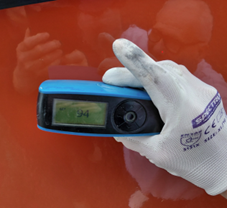
The stern of the yacht clearly showed the effects of long-term exposure to the marine environment. Before treatment, reflectivity measurements were as low as 4%, confirming the need for restoration.

The application process included careful cleaning, polishing, and degreasing, followed by applying and buffing the coating—fully visible to the attendees.
The results were both immediate and significant:
– Gloss levels increased to 97%
– The restored surface reflected the sky with near mirror-like clarity
– Water beaded instantly, demonstrating strong hydrophobic performance

Long-Term Performance in Practice
While immediate results are important, long-term durability is what ultimately matters. Here, the experience of Ad van Mierlo, chairman of the Elling Association, provided valuable confirmation.
His yacht was treated with EXOCOAT® Ceramic+ more than 18 months ago, and the coating continues to deliver excellent protection, gloss retention, and ease of maintenance under real operating conditions.


EXOCOAT® CLEARVIEW: Sol‑Gel Driven Hydrophobic Coating for Automotive Glass
- April 2026
Background and development
Clear vision under adverse weather conditions remains a critical challenge for automotive glass, particularly for windscreens exposed to high rain loads, dirt, and repetitive mechanical wear from wipers. Conventional hydrophobic treatments often suffer from limited durability, insufficient chemical resistance, or optical side effects over time.
EXOCOAT® CLEARVIEW was developed as a permanent, inorganic–organic hybrid coating, built on sol‑gel chemistry, to overcome these limitations while maintaining full optical transparency and long‑term performance on glass substrates. Internal R&D work has been complemented by independent testing and validation confirming both performance and robustness under automotive‑relevant conditions.
Sol‑gel basis: a PFAS‑free hybrid inorganic–organic network
At the core of EXOCOAT® CLEARVIEW lies a sol‑gel derived siloxane hybrid network, specifically developed to deliver permanent hydrophobic performance without the use of PFAS‑based chemistry. During development, particular attention was paid to replacing conventional fluorinated water‑repellent additives (PFAS) still widely used in automotive glass.
During application, molecular sol‑gel precursors undergo controlled hydrolysis and condensation, forming a dense network that chemically bonds to the glass surface via covalent Si–O–Si interactions. Hydrophobic functionality is incorporated through PFAS‑free precursor building blocks that are covalently integrated into this inorganic backbone, ensuring long‑term stability and resistance to leaching or degradation.
This chemisorption mechanism distinguishes EXOCOAT® CLEARVIEW from conventional water‑repellent treatments based on fluorinated polymers or waxes, which rely on physical deposition and gradual sacrificial loss. In contrast, the sol‑gel network of EXOCOAT® CLEARVIEW forms an ultra‑thin, permanently anchored layer that combines ceramic‑like hardness with durable hydrophobic behavior, while remaining fully compliant with current and upcoming PFAS regulatory expectations.
Hydrophobic performance: contact angle and sliding behavior
The water repellency of EXOCOAT® CLEARVIEW is characterized not only by high static water contact angles of around 105°, and more importantly by low sliding angles of less than 25°.
In practical terms, the low sliding angles enable water droplets to detach from the glass surface under minimal airflow or gravity. This behavior is critical for automotive windscreens, where rapid droplet removal at low speeds significantly improves driver visibility in rainy conditions.
Mechanical and chemical robustness under automotive conditions
Automotive windscreens are exposed to repetitive wiper abrasion, washer fluids, acids, alkaline cleaners, and temperature cycling. EXOCOAT® CLEARVIEW demonstrates a high level of resistance to these stressors due to its inorganic network structure.
Laboratory data show strong resistance against nylon brush abrasion and detergent‑containing washing simulations, while chemical resistance against acidic and alkaline solutions preserves hydrophobic functionality over extended use
Unlike soft polymeric coatings, the ceramic hybrid layer does not smear, haze, or degrade optically over time, maintaining near‑perfect transparency relative to uncoated glass.
Applications on other glass surfaces (automotive, marine, architectural, and more)
EXOCOAT® CLEARVIEW is designed for straightforward application on a wide range of glass surfaces, including automotive windscreens and side windows, yacht and marine glazing, architectural building glass (facades and windows), shower glass, and other glass installations. Once applied and cured at ambient conditions, the coating forms a permanent, wear‑resistant layer chemically anchored to the glass surface.
In real‑world driving scenarios, this translates into:
- Faster droplet runoff
- Improved visual clarity
- Lower accumulation of mineral deposits and dirt
Because the coating layer is ultra‑thin and optically neutral, it preserves optical clarity and is compatible with demanding visibility requirements. For modern automotive glazing in particular, it is designed not to interfere with sensors, HUD systems, or other optical performance requirements.
Axcentive moves forward on the path to greater visibility
- February 2026
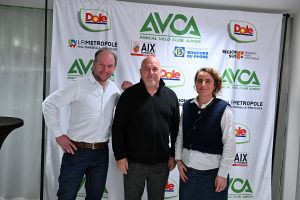
In its continuous drive for innovation and commitment to sustainability, Axcentive SARL has decided to take an important step: becoming the official sponsor of a sport organization.
And not just any organization: the Amical Vélo Club Aixois (AVC Aix).
For the past 100 years, AVC Aix has been training, supporting and developing the next generation of professional cyclists in the region. Their values resonate strongly with Axcentive’s own principles: knowledge sharing, pushing one’s limits, and striving for excellence.

Beyond financial support, this partnership also aims to help the team enhance the technical performance of its equipment. As part of this effort, we have initiated a treatment of the bike frames and wheels using our EXOCOAT™ Ceramic+ solution. This ceramic coating protects surfaces from mud, gravel, and other debris, making maintenance easier. And who knows? Maybe it will even help the riders gain a little more speed?
Look out for EXOCOAT™ as it accompanies cycling races across the PACA region, as well at national and European competitions.
EXOCOAT™: Advancing Sol‑Gel Technology for the Digital Printing Revolution on Metal
- February 2026
Digital printing on metal is experiencing a powerful surge, driven by the demand for sharper graphics, shorter production cycles, and greater design freedom across industries ranging from packaging to decorative panels.
As manufacturers shift away from traditional coating systems, they increasingly seek surface treatments that ensure ink adhesion, long‑term durability, and environmental compliance.
This evolving landscape opens the door for next‑generation functional coatings—particularly sol‑gel systems, which offer an exceptional bridge between high‑performance surface chemistry and the needs of digital ink technology. EXOCOAT™ has recently developed Sol‑gel coatings that stand out because they create inorganic–organic hybrid networks that chemically bond to metal substrates. These systems form durable ceramic‑like films capable of resisting weathering, abrasion, and chemical exposure. In digital printing, this provides a decisive advantage: inks anchor more strongly, colour density increases, and the print remains stable under UV, humidity, or thermal stress.
Compared with conventional polymer coatings, sol‑gels avoid microplastic release and support long‑term surface stability—an important advantage described in your sustainability‑oriented EXOCOAT™ material.
As digital printing expands into metals such as aluminium, stainless steel, and galvanized steel, the need for versatile pretreatment grows. EXOCOAT™’s hybrid sol‑gel expertise—already proven in metal pretreatment and functional protective layers—makes it uniquely positioned to respond.
Axcentive’s decision to enter the digital‑metal‑print arena with EXOCOAT™ solutions stems from three strategic factors.
First, the market’s rapid growth and technical demands align perfectly with EXOCOAT™’s core competencies in sol‑gel and hybrid coatings. Second, customers seek alternatives to traditional pretreatments, especially fluorinated or heavy‑metal‑based systems—an area where EXOCOAT™’s chemistry already proves itself across multiple industries. Third, the company occupies a unique position: a sol‑gel specialist with both formulation know‑how and scalable product offerings, capable of supporting end‑users, OEMs, and ink suppliers with tailor‑made surfaces.
This combination of technical depth, sustainability, and application flexibility gives Axcentive and EXOCOAT™ a distinctive competitive advantage. As digital printing on metal accelerates, EXOCOAT™ stands ready to deliver engineered sol‑gel surfaces that elevate print quality, enhance durability, and meet the rising demand for environmentally conscious solution
The Competitive Edge of EXOCOAT™ Sol-Gel vs. Traditional Resins
In the digital printing surge, sol-gel is outperforming standard resins in four critical areas:
- Covalent Bonding (Adhesion) : Unlike standard resins that “sit” on top of the metal (mechanical adhesion), sol-gel undergoes a chemical reaction that creates covalent bonds with the metal oxide layer. It effectively becomes part of the substrate, making it nearly impossible to peel or flake.
- Thermal Stability : Traditional resins start to degrade or yellow around 150°C–200°C. Sol-gel inks can withstand 400°C to 600°C, making them the only viable digital option for engine components, cooktops, and industrial heat shields.
- Extreme Thinness : Sol-gel can be printed in layers as thin as 200nm to 10µm. This is much thinner than standard digital inks, allowing for “invisible” protective coatings that don’t change the tactile feel of the metal.
- Hardness & Scratch Resistance : Because sol-gel creates a glass-like silica (SiO2) or titania (TiO2) network, it offers a Pencil Hardness (9H+) that organic resins simply cannot match.

Contact us
Ready to explore partnership opportunities?
Discover how our 190 years of chemical expertise and unique product portfolio can support your business growth.
We guarantee a response within 24 hours.