Our technologies
Over the years, we have developed and refined cutting-edge technologies to meet our clients’ evolving needs with precision and excellence. Guided by technical expertise and driven by curiosity, our know-how has continuously advanced, enabling us to deliver innovative solutions that set new standards in our field.
With a strong background in sulfonamides and fine chemistry, we successfully broadened our scope to become a leader in disinfection technologies. In parallel, our constant pursuit of progress and our ability to adapt to a changing world have led us to expand into the development of smart coatings, further strengthening our position at the forefront of innovation.

Our technologies
HALAMID®
- Professional disinfection technology
Trusted biosecurity solution for livestock industries worldwide


Our technologies
EXOCOAT™
- Smart coatings technology
Nanotechnology to protect, enrich and functionalize surfaces
Our technologies
KETJENFLEX®
- Specialty additives technology
High-performance plasticizers as sustainable alternatives to phthalates

Our technologies
SULFO CHEMICALS
- Specification chemicals
Intermediates for the manufacture of API and raw materials for chemical reactions
Why work with us?
Full product ownership coverage:

R&D & Manufacturing
Raw materials to finished products

Industry regulatory compliant
REACH, K-REACH, BPR, FDA, HPV

Global logistics
Worldwide supply chain management

Technical service
Application support & expertise
Contact us
Speak to our sales team
Please do not hesitate to contact our team if you have any questions.
Our teams are always ready to help and support you.
Discover the different applications of our technologies
From biosecurity to solar efficiency, our specialized chemicals solve critical challenges across diverse industries.
Discover how our 190 years of expertise delivers breakthrough solutions for your specific market needs.















Everything you need to know about Axcentive
Advancing yacht protection on the French Riviera
- May 2026
EXOCOAT® and Biotechnature: A Practical Cooperation for Marine Surface Protection
The French Riviera is a key hub for international yachting, bringing together experienced shipyards, refit specialists, and yacht owners with high expectations regarding appearance and maintenance. In this context, the balance between durable protection, visual quality, and practical application is particularly important. EXOCOAT® Ceramic+, a durable ceramic protection based on nanotechnology, is Axcentive’s flagship solution for reviving and protecting the yachts above the water surfaces. In 2025, Axcentive and Biotechnature began a cooperation aimed at introducing EXOCOAT® surface protection coatings to yachts and other vessels operating along the Côte d’Azur. The first projects were initiated in early 2026, focusing on real‑world applications during maintenance and refurbishment activities.
A Cooperation Based on Complementary Strengths
Biotechnature is an established participant in the French Riviera’s yachting environment, working closely with shipyards, yacht management companies, and refurbishment specialists. Its role in the cooperation is to apply and market EXOCOAT® solutions within an existing professional network that is familiar with the operational realities of yacht care.
Axcentive contributes its coating technology and application know‑how, while Biotechnature ensures local presence, customer support, and integration into ongoing maintenance and refit projects. The cooperation is therefore practical in nature, aimed at providing solutions that fit established workflows rather than introducing additional complexity.
The Role of Biotechnature’s Management
The cooperation is coordinated by Colin Wilcken, Co-Founder of Biotechnature. With long‑standing experience in the marine sector, he works closely with shipyards, captains, and technical teams to assess where new surface protection technologies can be applied effectively. This pragmatic approach helps ensure that EXOCOAT® coatings are used where they bring clear benefits, and that expectations regarding performance, application, and maintenance are aligned with day‑to‑day yachting operations.
EXOCOAT® Ceramic+ Yacht: Supporting Yacht Appearance and Maintenance
EXOCOAT® Ceramic+ Yacht is developed for marine exterior surfaces such as gelcoat and painted surfaces.
In practice, the coating is used to support:
- Improved visual appearance, particularly on surfaces showing signs of weathering
- Additional protection against UV exposure and marine environment effects
- Easier routine cleaning, helping reduce time and effort during maintenance
Rather than replacing existing maintenance practices, EXOCOAT® Ceramic+ Yacht is applied as an additional surface treatment that can be integrated into refit or detailing projects.
EXOCOAT® Clearview: Functional Protection for Transparent Surfaces
Alongside hull and painted surfaces, EXOCOAT® Clearview is applied to glass and transparent components such as windows and windscreens. Its purpose is to help maintain surface clarity and simplify cleaning, particularly in environments exposed to salt spray and strong sunlight.
Initial Projects and Next Steps
The first EXOCOAT® applications in early 2026 are being used as reference projects within the Biotechnature network. These initial implementations allow shipyards and owners to evaluate the coatings under normal operating conditions and to assess their contribution to maintenance routines. Based on these early projects, the cooperation is expected to continue with a measured expansion, focusing on vessels and applications where EXOCOAT® solutions align well with operational needs.

A Measured Contribution to Yacht Care on the Riviera
The cooperation between Axcentive and Biotechnature is intended as a practical addition to existing yacht maintenance and refurbishment practices on the French Riviera. By combining local experience with tested coating technology, the partners aim to support yacht owners and professionals in maintaining appearance and functionality with manageable effort and predictable results.
EXOCOAT® CLEARVIEW: Sol‑Gel Driven Hydrophobic Coating for Automotive Glass
- April 2026
Background and development
Clear vision under adverse weather conditions remains a critical challenge for automotive glass, particularly for windscreens exposed to high rain loads, dirt, and repetitive mechanical wear from wipers. Conventional hydrophobic treatments often suffer from limited durability, insufficient chemical resistance, or optical side effects over time.
EXOCOAT® CLEARVIEW was developed as a permanent, inorganic–organic hybrid coating, built on sol‑gel chemistry, to overcome these limitations while maintaining full optical transparency and long‑term performance on glass substrates. Internal R&D work has been complemented by independent testing and validation confirming both performance and robustness under automotive‑relevant conditions.
Sol‑gel basis: a PFAS‑free hybrid inorganic–organic network
At the core of EXOCOAT® CLEARVIEW lies a sol‑gel derived siloxane hybrid network, specifically developed to deliver permanent hydrophobic performance without the use of PFAS‑based chemistry. During development, particular attention was paid to replacing conventional fluorinated water‑repellent additives (PFAS) still widely used in automotive glass.
During application, molecular sol‑gel precursors undergo controlled hydrolysis and condensation, forming a dense network that chemically bonds to the glass surface via covalent Si–O–Si interactions. Hydrophobic functionality is incorporated through PFAS‑free precursor building blocks that are covalently integrated into this inorganic backbone, ensuring long‑term stability and resistance to leaching or degradation.
This chemisorption mechanism distinguishes EXOCOAT® CLEARVIEW from conventional water‑repellent treatments based on fluorinated polymers or waxes, which rely on physical deposition and gradual sacrificial loss. In contrast, the sol‑gel network of EXOCOAT® CLEARVIEW forms an ultra‑thin, permanently anchored layer that combines ceramic‑like hardness with durable hydrophobic behavior, while remaining fully compliant with current and upcoming PFAS regulatory expectations.
Hydrophobic performance: contact angle and sliding behavior
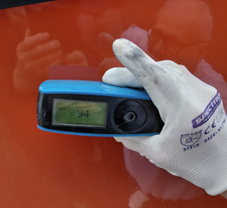
The water repellency of EXOCOAT® CLEARVIEW is characterized not only by high static water contact angles of around 105°, and more importantly by low sliding angles of less than 25°.
In practical terms, the low sliding angles enable water droplets to detach from the glass surface under minimal airflow or gravity. This behavior is critical for automotive windscreens, where rapid droplet removal at low speeds significantly improves driver visibility in rainy conditions.
Mechanical and chemical robustness under automotive conditions
Automotive windscreens are exposed to repetitive wiper abrasion, washer fluids, acids, alkaline cleaners, and temperature cycling. EXOCOAT® CLEARVIEW demonstrates a high level of resistance to these stressors due to its inorganic network structure.
Laboratory data show strong resistance against nylon brush abrasion and detergent‑containing washing simulations, while chemical resistance against acidic and alkaline solutions preserves hydrophobic functionality over extended use
Unlike soft polymeric coatings, the ceramic hybrid layer does not smear, haze, or degrade optically over time, maintaining near‑perfect transparency relative to uncoated glass.
Applications on other glass surfaces (automotive, marine, architectural, and more)
EXOCOAT® CLEARVIEW is designed for straightforward application on a wide range of glass surfaces, including automotive windscreens and side windows, yacht and marine glazing, architectural building glass (facades and windows), shower glass, and other glass installations. Once applied and cured at ambient conditions, the coating forms a permanent, wear‑resistant layer chemically anchored to the glass surface.
In real‑world driving scenarios, this translates into:
- Faster droplet runoff
- Improved visual clarity
- Lower accumulation of mineral deposits and dirt
Because the coating layer is ultra‑thin and optically neutral, it preserves optical clarity and is compatible with demanding visibility requirements. For modern automotive glazing in particular, it is designed not to interfere with sensors, HUD systems, or other optical performance requirements.
Axcentive moves forward on the path to greater visibility
- February 2026
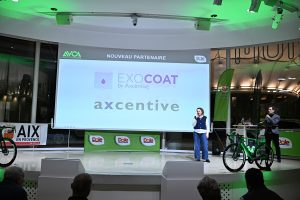
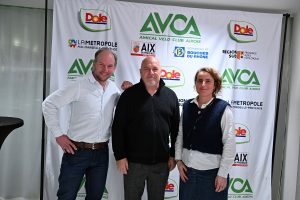
In its continuous drive for innovation and commitment to sustainability, Axcentive SARL has decided to take an important step: becoming the official sponsor of a sport organization.
And not just any organization: the Amical Vélo Club Aixois (AVC Aix).
For the past 100 years, AVC Aix has been training, supporting and developing the next generation of professional cyclists in the region. Their values resonate strongly with Axcentive’s own principles: knowledge sharing, pushing one’s limits, and striving for excellence.

Beyond financial support, this partnership also aims to help the team enhance the technical performance of its equipment. As part of this effort, we have initiated a treatment of the bike frames and wheels using our EXOCOAT™ Ceramic+ solution. This ceramic coating protects surfaces from mud, gravel, and other debris, making maintenance easier. And who knows? Maybe it will even help the riders gain a little more speed?
Look out for EXOCOAT™ as it accompanies cycling races across the PACA region, as well at national and European competitions.
Thermal fogging: Forcing the disinfecto to reach every crack
- February 2026
Cleaning and disinfecting poultry houses is no longer a case of “the more product, the better.” Instead, the focus has shifted to tailored biosecurity and cleaning programmes designed for each individual shed or house. One increasingly important component of these customized strategies is the use of thermal fogging with the right product.
Poultry diseases have wide-ranging consequences, affecting everything from animal welfare to the costs of culling and flock replacement. Highly pathogenic avian influenza (HPAI) continues to spread across many regions of the world, while bacterial threats such as Salmonella, E. coli, Enterobacteria, and Campylobacter remain persistent challenges. Complicating matters further, disease is not always visible, especially in its early stages, and can enter and spread through multiple pathways. This makes prevention critical. Robust biosecurity measures, including thorough cleaning and disinfection, are essential to keeping viruses and bacteria out of poultry farms.
Know the pathogen load before disinfection
Over the years, cleaning methodologies have not only become more widely recognised and applied, but also more precise and targeted. Dave Oram, Field Services Technician at St David’s Poultry Team, an independent veterinary practice in the UK and Ireland, explains: “When our veterinarians detect issues on a farm, such as changes in feed intake, feed efficiency, or mortality rates, we begin testing to identify the pathogen and assess the viral load. Based on those results, we then select the most appropriate products for cleaning.”
Dave notes that this focused, data-driven approach was not always the norm. “In the past, we often used disinfectants at levels higher than necessary, essentially applying the maximum rates across the entire farm. But it’s no longer a case of ‘more is better.’ Today, we have a deeper understanding of pathogen loads and epidemiology, along with improved measurement tools. This allows us to choose the right strategy and use correct amounts of product, making the process far more cost-effective.”
Forcing the disinfect to reach every crack
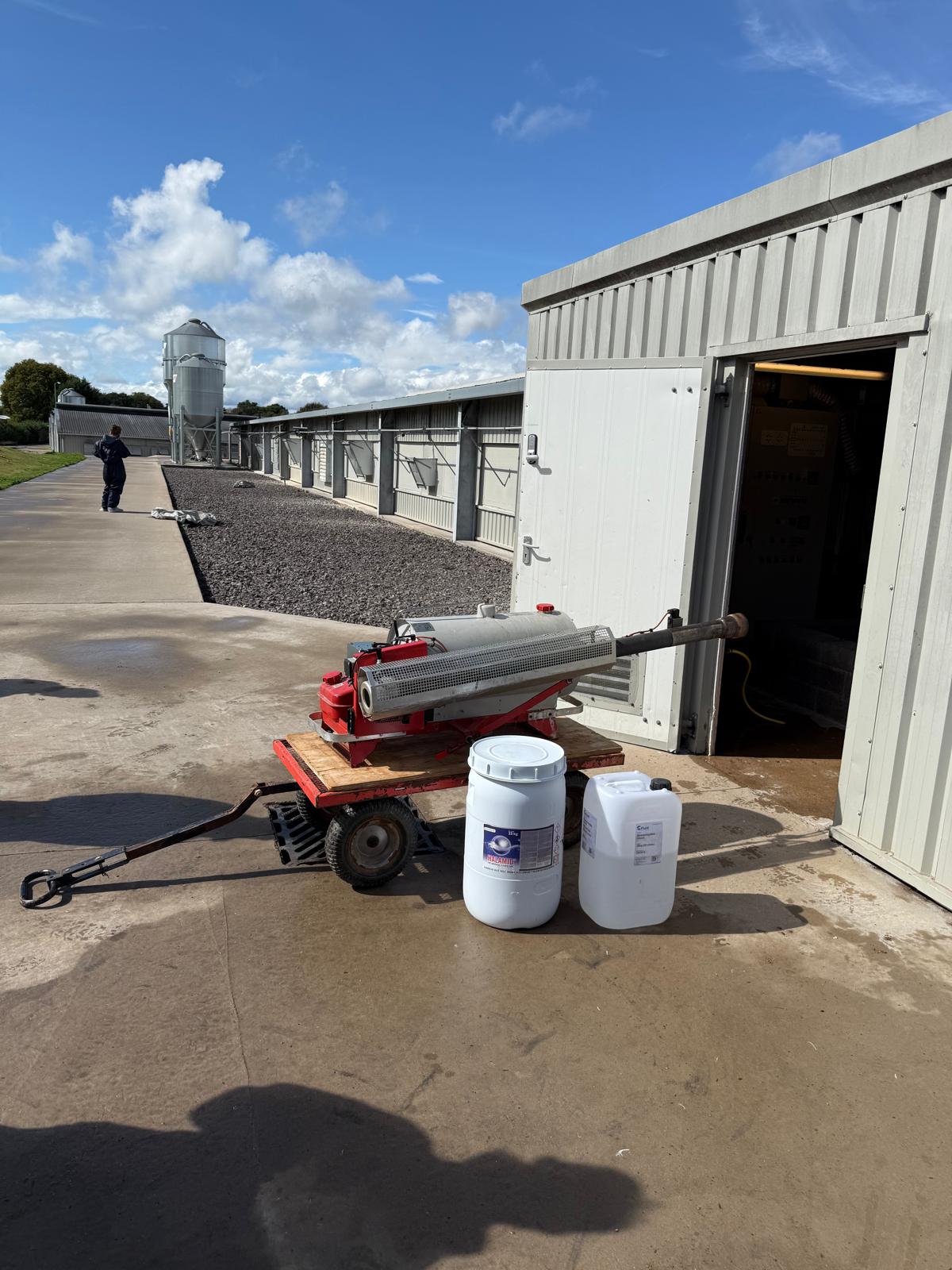
Before disinfection can begin, dust, organic matter, residue and biofilm, must be thoroughly removed from feeders, drinkers, and all other surfaces. This is done by washing. Detergent is then applied. After the recommended dwell time, the detergent is washed off. After this secondary washing, a visual assessment is made to determine that a thorough clean has been carried out and there is no visual traces of organic matter remaining. Dave explains: “As the final step of the protocol, we apply thermal fogging. We do this once all equipment and bedding have been returned to the barn. Thermal fogging produces ultra-fine droplets (between 1 and 50 μm) that create dense, visible fog clouds when released into the barn air. It is not the same as cold fogging or misting. Thermal fogging relies on heat to keep the fog suspended in the air. The great advantage is that it drives the disinfectant into every crack in the walls, and even into areas through and under the roof.”
Proper preparation of the sheds is essential when using thermal fogging. Dave advises: “Measure your shed and calculate the amount of fogging solution required. Check that the water is clean before mixing the solution and ensure all mixing equipment is clean. Prepare your products, wear full PPE and a mask when mixing, close all ventilation and turn off all the fans. The mixed solution is then poured into the reservoir of the thermal fogging machine, and the process can begin. Always have hot water available. After thermal fogging is completed, the birds are placed in the shed the following day. After 6 to 7 days, we test the pathogen load again to confirm the cleaning and disinfection protocol worked effectively.”
Choosing a disinfect that is safe and effective
The cleaning and disinfection protocol, and the choice of products, can make or break a farm’s biosecurity strategy. St David’s Poultry Team, along with many farms worldwide, has chosen Halamid® for disinfecting poultry operations. Developed by Axcentive, Halamid® is a versatile, readily biodegradable biocide that is safe for humans, animals, and the environment. Its popularity continues to rise, especially as the use of formaldehyde becomes increasingly restricted in the EU and UK. Halamid® is even safe enough to apply over feed during thermal fogging, an advantage when starter feed has already been placed on paper in the sheds before a new batch of chicks arrives. As Oram explains: “I don’t know of another product that has been successfully used over feed. After trying this, we saw no loss of appetite in the chicks.”
Halamid® effectively eliminates a wide range of pathogens which includes: Salmonella, Avian Influenza, Campylobacter, Newcastle Disease, and Gumboro, at a concentration of 0.5% (1:200) or thermal fogging with a 10% concentration, in accordance with European standards. Its unique formulation supports a wide range of uses, such as terminal disinfection by wet spraying, misting, or thermal fogging; aerial disinfection; water system sanitation; wheel and foot dips; and vehicle or egg disinfection. Dave notes that thermal fogging with Halamid® enhances the overall efficacy of the cleaning protocol by adding a secondary stage of disinfection. It also saves significant time: thermal fogging can be completed the night before chick placement, with only ventilation needed the following morning.

Thermofogging demo held during the 1st Halamid® Conference in September 2025
EXOCOAT™: Advancing Sol‑Gel Technology for the Digital Printing Revolution on Metal
- February 2026
Digital printing on metal is experiencing a powerful surge, driven by the demand for sharper graphics, shorter production cycles, and greater design freedom across industries ranging from packaging to decorative panels.
As manufacturers shift away from traditional coating systems, they increasingly seek surface treatments that ensure ink adhesion, long‑term durability, and environmental compliance.
This evolving landscape opens the door for next‑generation functional coatings—particularly sol‑gel systems, which offer an exceptional bridge between high‑performance surface chemistry and the needs of digital ink technology. EXOCOAT™ has recently developed Sol‑gel coatings that stand out because they create inorganic–organic hybrid networks that chemically bond to metal substrates. These systems form durable ceramic‑like films capable of resisting weathering, abrasion, and chemical exposure. In digital printing, this provides a decisive advantage: inks anchor more strongly, colour density increases, and the print remains stable under UV, humidity, or thermal stress.
Compared with conventional polymer coatings, sol‑gels avoid microplastic release and support long‑term surface stability—an important advantage described in your sustainability‑oriented EXOCOAT™ material.
As digital printing expands into metals such as aluminium, stainless steel, and galvanized steel, the need for versatile pretreatment grows. EXOCOAT™’s hybrid sol‑gel expertise—already proven in metal pretreatment and functional protective layers—makes it uniquely positioned to respond.
Axcentive’s decision to enter the digital‑metal‑print arena with EXOCOAT™ solutions stems from three strategic factors.
First, the market’s rapid growth and technical demands align perfectly with EXOCOAT™’s core competencies in sol‑gel and hybrid coatings. Second, customers seek alternatives to traditional pretreatments, especially fluorinated or heavy‑metal‑based systems—an area where EXOCOAT™’s chemistry already proves itself across multiple industries. Third, the company occupies a unique position: a sol‑gel specialist with both formulation know‑how and scalable product offerings, capable of supporting end‑users, OEMs, and ink suppliers with tailor‑made surfaces.
This combination of technical depth, sustainability, and application flexibility gives Axcentive and EXOCOAT™ a distinctive competitive advantage. As digital printing on metal accelerates, EXOCOAT™ stands ready to deliver engineered sol‑gel surfaces that elevate print quality, enhance durability, and meet the rising demand for environmentally conscious solution
The Competitive Edge of EXOCOAT™ Sol-Gel vs. Traditional Resins
In the digital printing surge, sol-gel is outperforming standard resins in four critical areas:
- Covalent Bonding (Adhesion) : Unlike standard resins that “sit” on top of the metal (mechanical adhesion), sol-gel undergoes a chemical reaction that creates covalent bonds with the metal oxide layer. It effectively becomes part of the substrate, making it nearly impossible to peel or flake.
- Thermal Stability : Traditional resins start to degrade or yellow around 150°C–200°C. Sol-gel inks can withstand 400°C to 600°C, making them the only viable digital option for engine components, cooktops, and industrial heat shields.
- Extreme Thinness : Sol-gel can be printed in layers as thin as 200nm to 10µm. This is much thinner than standard digital inks, allowing for “invisible” protective coatings that don’t change the tactile feel of the metal.
- Hardness & Scratch Resistance : Because sol-gel creates a glass-like silica (SiO2) or titania (TiO2) network, it offers a Pencil Hardness (9H+) that organic resins simply cannot match.


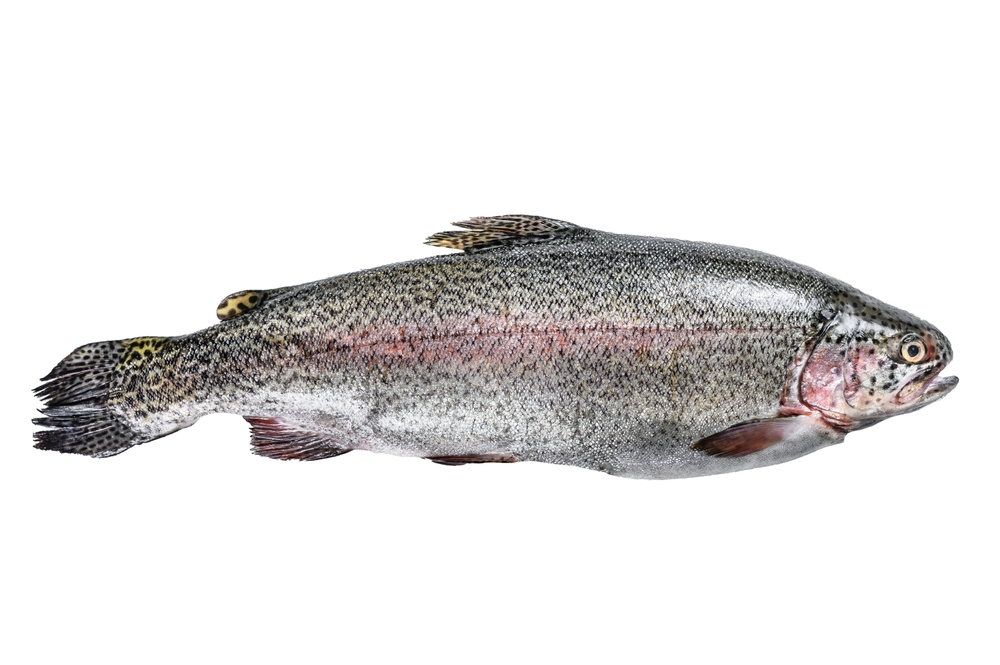
Revolutionizing Aquaculture Disinfection: Chloramine T (Halamid®) delivers superior efficiency, safety, and sustainability for rainbow trout egg treatment
A groundbreaking study published in the Journal of Genetic Engineering and Biotechnology unveils a simplified, one-step disinfection technique for non-hardened rainbow trout eggs using Chloramine T (Halamid®). This innovative approach offers significant advantages over traditional methods, setting a new standard for aquaculture hygiene, operational efficiency, and environmental stewardship.
Key Advantages of Chloramine T (Halamid®):
- Superior Disinfection Performance
- Dosage: 100 mg/L Chloramine T in 0.75% NaCl solution for 40 minutes.
- Achieves the highest reduction in bacterial load, outperforming both peroxide (Wofasteril®) and traditional iodophore (Buffodine®) treatments.
- Maintains effectiveness throughout embryonic development, reducing pathogen risk and supporting fish health.
- Streamlined One-Step Protocol
- Eggs can be fertilized and disinfected simultaneously in a single solution, eliminating the need for complex, time-sensitive two-step procedures.
- Reduces handling errors and boosts efficiency, especially in large-scale fish farming operations.
- Safe for Fish Health
- No negative impact on sperm motility, embryo viability, or larval development at recommended concentrations.
- Maintains robust microbiome stability, supporting long-term fish health and resilience against pathogens.
- Environmentally Responsible
- Used at much lower concentrations than traditional disinfectants.
- Rapidly degrades in water, leaving no harmful residues—an ideal solution as regulatory scrutiny increases on older biocides.
- Practical and Cost-Effective
- Simplifies workflow, saving time and resources for hatcheries and farms.
- Offers a reliable alternative should iodophore products face future regulatory restrictions.
Industry Impact
The adoption of Chloramine T (Halamid®) as a one-step disinfectant marks a major leap forward for sustainable aquaculture. By combining operational simplicity, proven efficacy, and environmental compatibility, Halamid® empowers producers to safeguard fish health and productivity while meeting evolving regulatory and ecological standards.
About Halamid®:
Halamid® (Chloramine T) is a trusted disinfectant widely used in aquaculture and veterinary applications. Its proven safety profile and rapid biodegradability make it the preferred choice for modern fish farming.
This press release is based on the article: “A simplified, one step technique for disinfection of non-hardened rainbow trout eggs with tosylchloramide (Chloramine T) and peroxide (Wofasteril) compounds and the effects on bacterial load and microbiome composition in comparison to iodophore disinfection.” Published July 2025.
Sustainability in Action: The Power of Small Changes
At Axcentive, we are committed to driving responsible practices throughout our supply chain. As part of our Corporate Social Responsibility (CSR) engagement, we have focused on sustainable packaging solutions to reduce our environmental impact — particularly carbon emissions. We believe that even the smallest adjustments can have a profound impact on the environment. Small steps can indeed lead to significant positive changes, especially when it comes to packaging and sustainability. Each seemingly minor adjustment — when scaled across a product line or in a supply chain — can have a ripple effect that adds up to a major impact over time.
Reviewing and optimizing packaging has been an area we have been working on in order to contribute to lowering emissions across the supply chain. Here are examples of two actions implemented over the past months.
Eliminating Single-Use Components. In agreement with our distribution network, we have decided to remove dosing spoons and pitchers made of plastic from our packaging. These items were often single-used and rarely reused, making their environmental cost high relative to their utility. By removing dosing items, less plastic is used which means fewer emissions from manufacturing, molding, and transporting those components.
Our packs are nowadays lighter. Removing these items reduces the overall weight of each unit. By removing pitchers from our drums, we are cutting 2.23mty of plastic waste over the next 10 years .
Finally eliminating these parts contribute nowadays to a faster, more efficient process with less operation at the workshop.

Optimizing the dimensions of carton boxes based on the size of the sample has been another step. Benefits are numerous. By ensuring that the carton box is perfectly sized for the product, less cardboard is used per unit. Smaller packaging means as well that fewer resources are used in production (less wood, paper, and chemicals), which lowers the emissions tied to material manufacturing.
Less empty space inside each box means that less bubble wrap, foam, or other padding might be needed to secure the product. This results in less packaging waste in the form of excess filler materials. Optimizing box dimensions ensures products arrive safely while keeping packaging as minimal and efficient as possible.
Finally smaller boxes not only reduce material and transportation costs but also help optimize storage space in warehouses, leading to fewer storage-related emissions. This creates both financial and environmental savings.
Our mission is to inspire both internal teams and industry partners to make small, consistent changes that, together, can lead to a larger transformation. Sustainability is not just about big leaps; it’s about taking intentional, continuous steps towards a greener future.
Join the Conversation: Share your Sustainability Journey!
What small, consistent steps have you taken recently on your own sustainability journey? Whether it’s in packaging, production, or even personal habits, your experience could inspire others to take action too. We are eager to learn about the innovative ways you are making a difference, and to collaborate and share ideas to create a greener, more sustainable future for all.
Let’s make progress together — share your thoughts, ideas, or challenges with us!

EXOCOAT™ Ceramic+: The PFAS-free innovation redefining manufacturing standards
- June 2025
In today’s manufacturing environment, performance is just the beginning. Modern industries must also prioritize sustainability, worker safety, and regulatory compliance.
As global restrictions tighten around PFAS (Per- and Polyfluoroalkyl Substances), manufacturers are moving away from outdated materials in favor of cleaner, smarter technologies. EXOCOAT™ Ceramic+ is leading that transformation. This advanced PFAS-free ceramic coating delivers exceptional protection and performance—without the environmental burden.
🧪 What Are PFAS, and Why Are They Being Eliminated?
PFAS are synthetic chemicals once valued for their non-stick, water-repellent, and chemical-resistant properties. They were widely used in coatings, textiles, electronics, and packaging.e
However, these “forever chemicals” do not break down easily in the environment or human body. As a result, global governments are banning or tightly regulating PFAS, driving the demand for PFAS-free alternatives.
🌍 Why EXOCOAT™ Ceramic+ PFAS-Free Coating Is the Future?
With PFAS bans gaining momentum, manufacturers need high-performance materials that are also safe and compliant. EXOCOAT™ Ceramic+ Coating delivers exactly that.
Engineered for modern manufacturing challenges, EXOCOAT™Ceramic+ provides:
- 🔥 Outstanding thermal resistance
- 🛡️ Corrosion and chemical protection
- 💪 Durability in abrasive environments
- ✅ 100% PFAS-free composition
EXOCOAT™ Ceramic+ Coating Benefits:
- ✅ Fully compliant with global regulations
- ✅ Safe for workers, end-users, and ecosystems
- ✅ Ideal for high-performance and precision applications
- ✅ No compromise on quality or reliability
🚀 EXOCOAT™ Ceramic+: Performance You Can Trust
EXOCOAT™ Ceramic+ Coating is designed to meet the demands of the most rigorous industries while meeting today’s environmental expectations.
🔍 Core Features of EXOCOAT™ Ceramic+:
- ✅ PFAS-Free – No toxic fluorinated compounds, ever
- ⚙️ High-Endurance Protection – Withstands heat, wear, corrosion, and aggressive chemicals
- 📏 Precision Thin-Film Application – Maintains critical tolerances for complex assemblies
- 🌱 Eco-Friendly Chemistry – Supports safer workplaces and greener supply chains
- 🎨 Custom Finishes Available – For performance and aesthetic flexibility
🏭 Industries Adopting EXOCOAT™ Ceramic+ Coating
From heavy industry to clean tech, EXOCOAT™ Ceramic+ Coating is quickly becoming the go-to solution across sectors:
- 🚗 Automotive & EV –
- ✈️ Aerospace
- 🏭 Industrial Manufacturing
- 🔥 Energy & Utilities
🌱 A Better Alternative for a Cleaner Tomorrow
EXOCOAT™ Ceramic+ Coating proves that you don’t need PFAS to achieve world-class protection. It’s the next generation of ceramic technology—offering unmatched performance without environmental compromise. Whether you’re seeking to meet new regulations, improve sustainability, or simply protect your products with the best, EXOCOAT™ Ceramic+ is the coating of the future.
No PFAS. No trade-offs. Just high-performance protection.
Specialchem Coatings’ platform focuses on our coil coating solution
- June 2025
EXOCOAT™ Ceramic Coil is Axcentive’s development of innovative ceramic-based anti-graffiti clear coil coatings designed specifically for coil-coated metal surfaces used in architecture and infrastructure. Utilizing advanced organometallic chemistry, EXOCOAT™ Ceramic Coil forms a thin, transparent ceramic nanolayer that provides robust protection against graffiti, chemicals, UV light, and harsh weather conditions.


Halamid® was at VIV Asia 2025
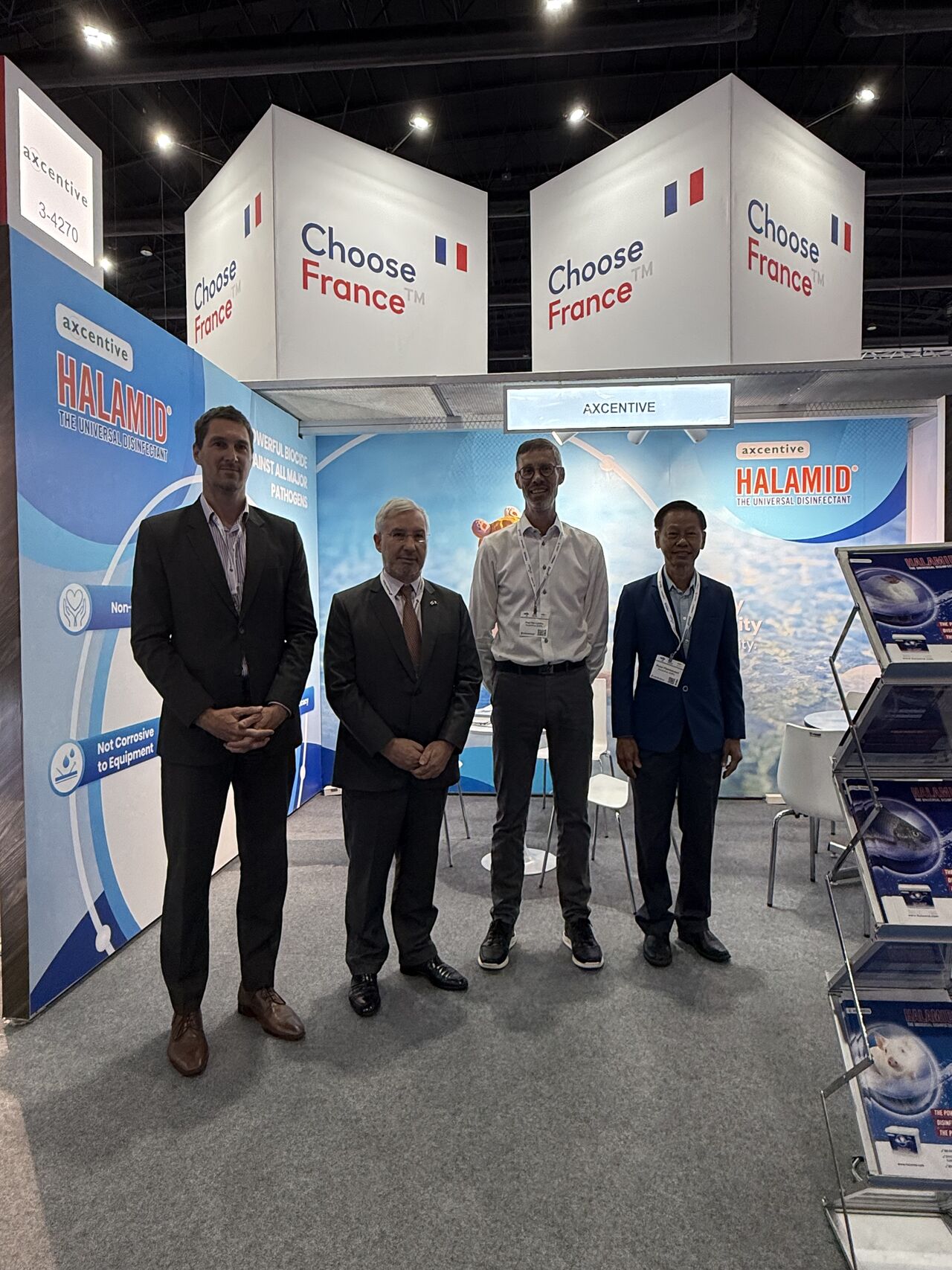
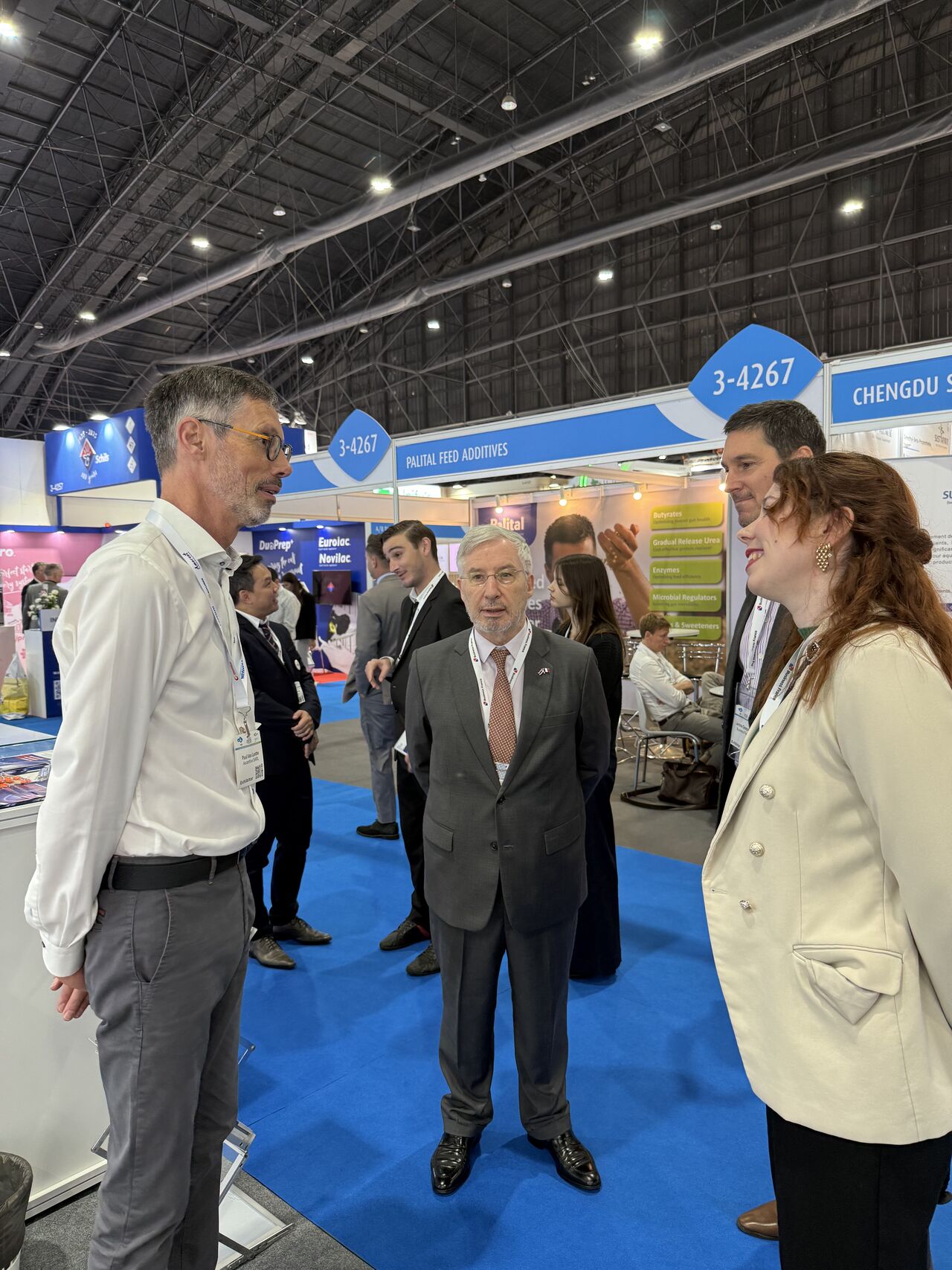
Last week, Axcentive Group exhibited at VIV Asia 2025 in Bangkok.
This show is the leading international trade fair for animal protein production. It was a great occasion for us to connect with industry leaders, partners, and professionals who are shaping the future of biosecurity and animal health.
We were proud to welcome on our booth M. Poimboeuf, the French Ambassador to Thailand. His visit underscores the importance of innovation and sustainability in biosecurity. we were honored to showcase how our Halamid® is leading the way to animal health and hygiene solutions.
Halamid® remains the trusted choice for farms, aquaculture, and food processing industries worldwide.